On-Location Kids Fashion Photography: Working with Natural Light, Landscapes and Perspective
Discover on-location kids fashion photography in Vancouver, using natural light, outdoor landscapes, creative angles and authentic moments to bring clothing brands to life.
Some of the most interesting fashion photographs happen outside the studio. When photographing kids’ fashion on location, the environment becomes part of the creative process. Tall grass, open fields, winding paths, trees and even the texture of a simple wall can add depth, movement and personality to an image.
For children’s fashion brands, shooting on location offers an opportunity to create imagery that feels natural, playful and full of life. Rather than simply showcasing clothing, the goal is to build a visual story around it—one that captures the energy of childhood while bringing the collection to life.
Using the Environment as Part of the Story
When planning a location shoot, I look beyond the obvious backdrop. The most interesting elements are often the ones already there.
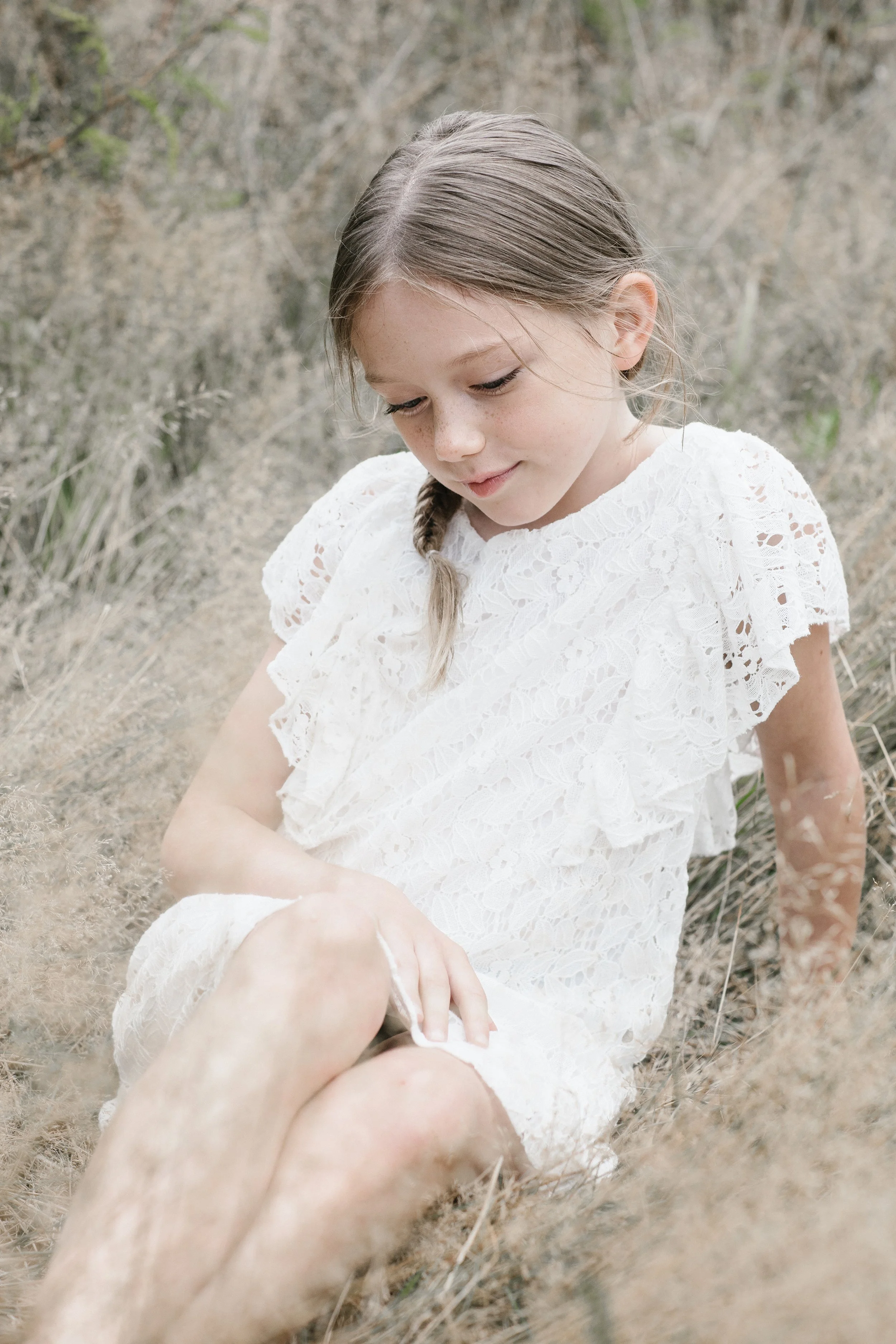
Tall grass can create beautiful layers in an image, framing a model or partially surrounding them to add depth. Photographing through the grass can introduce a soft foreground, drawing the viewer into the scene. A low camera angle can make the grass feel taller and more immersive, creating a sense of scale and adventure.
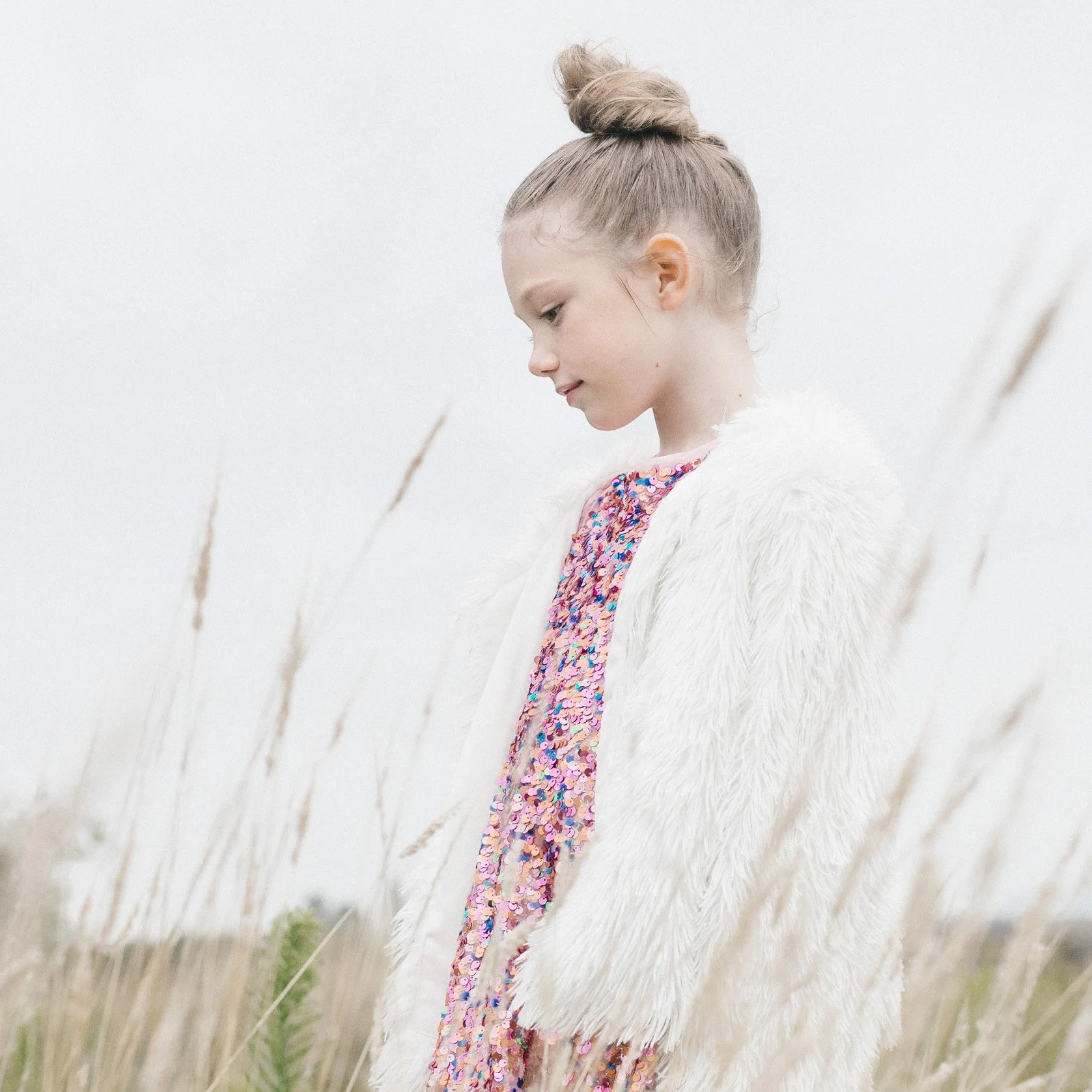
Using perspective and shooting from below making the grass look taller than it is. A photo from a kids fashion lifestyle photoshoot.
Paths, rocks, wildflowers, trees and natural textures can all become useful compositional elements. They can help lead the viewer’s eye through the frame, add contrast to the clothing, or create a sense of place without distracting from the collection.
The key is to work with what the environment offers rather than forcing a setup that feels unnatural. A location should complement the clothes, colours and mood of the campaign.
Finding the Right Light
Lighting can make or break an outdoor fashion shoot. Unlike a studio, where every light source is controlled, a location shoot requires you to adapt to changing conditions and use the available light creatively.
Open shade is often one of the most useful options when photographing children. The shaded side of a building, the edge of a tree line or an area sheltered from direct sunlight can provide soft, even illumination. This helps preserve detail in the clothing and creates flattering skin tones without harsh shadows.
Overcast days can also be ideal. Clouds act as a natural diffuser, spreading the light evenly across the scene. The result can feel soft and understated, particularly for collections with muted colours, delicate fabrics or a minimalist aesthetic.
Direct sunlight, however, shouldn't always be avoided. Strong sunlight can create defined shadows, graphic shapes and a more dramatic editorial look. Shooting with the sun behind the subject can produce beautiful rim light around the hair and clothing, helping the model stand out against the background. You may need to adjust your exposure or use a reflector to bring detail back into the face.
Rather than looking for one perfect lighting condition, I look for ways to make the light work for the concept.
Changing Angles to Create More Interesting Images
One of the simplest ways to transform a photograph is to change your perspective.
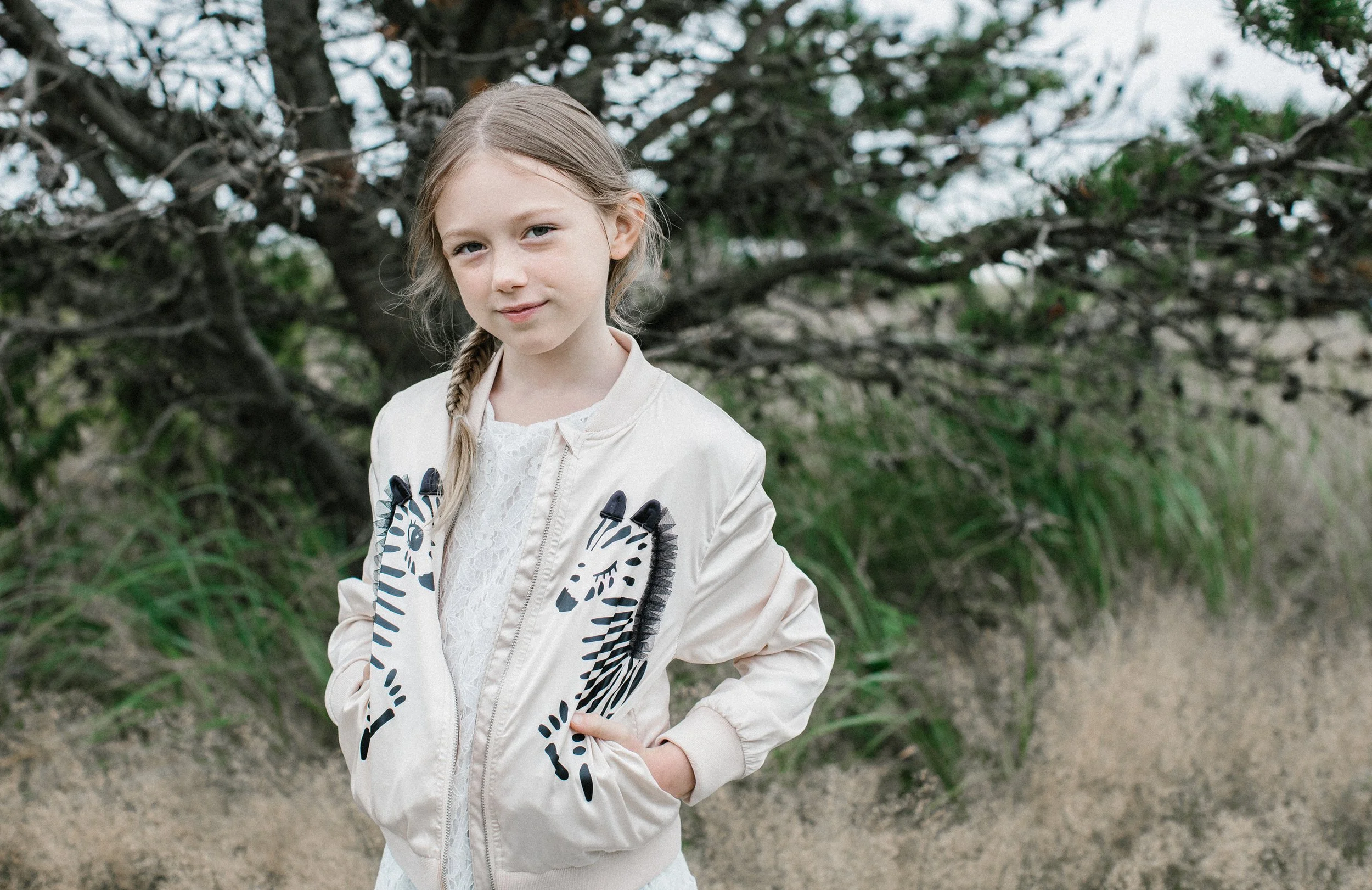
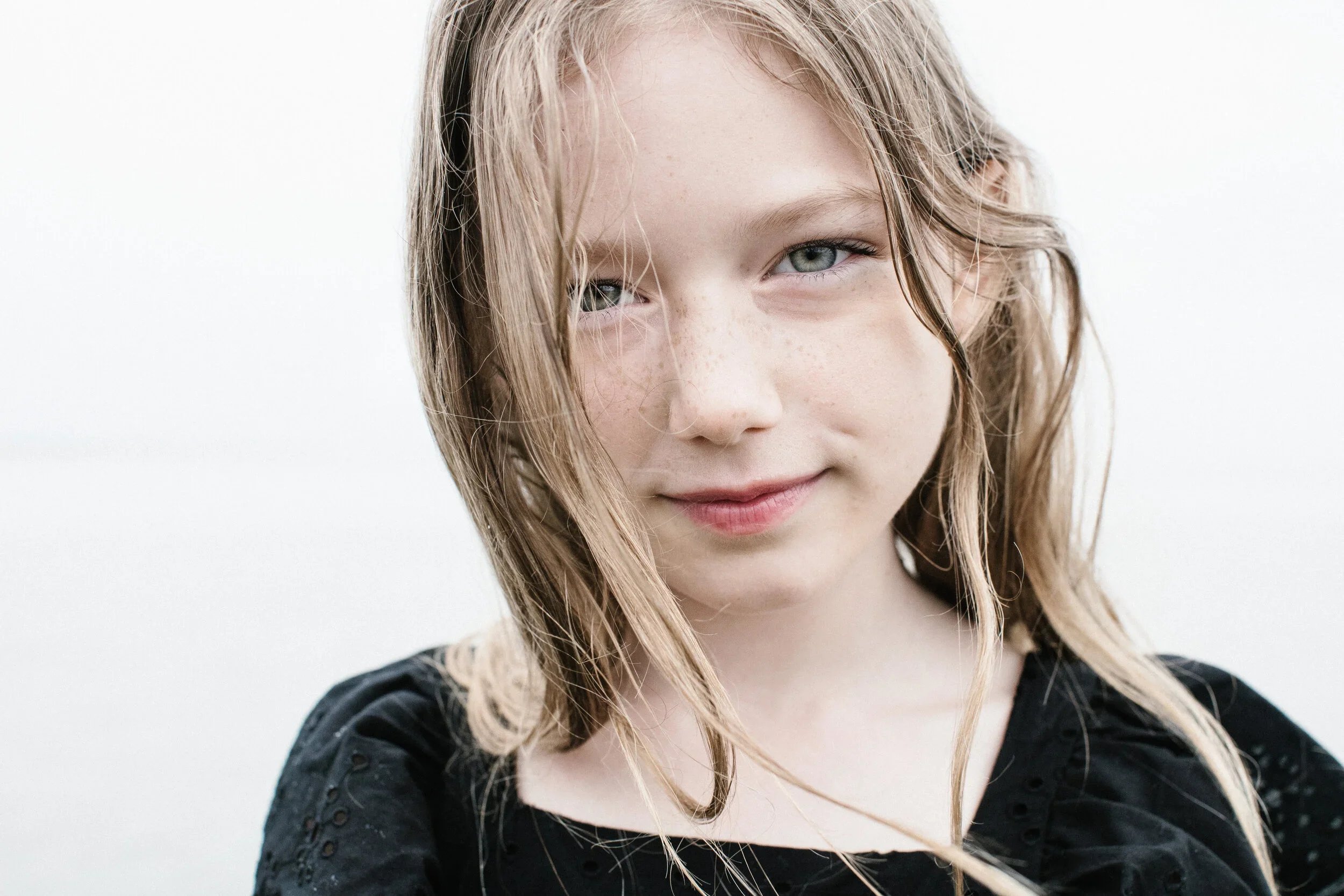
Photographing from a child’s eye level creates a more immediate connection with the subject. Dropping lower can make the landscape feel larger and more adventurous, while shooting from slightly above can reveal patterns, textures and shapes that might otherwise go unnoticed.
I also like to experiment with distance and framing. A wide shot can establish the location and communicate the overall mood of a campaign. A tighter portrait draws attention to expression, styling and details. An image framed through branches or tall grass can feel more spontaneous, as though the viewer has discovered a moment rather than watched it being staged.
For fashion photography, these variations are especially valuable. They allow the collection to be shown from multiple perspectives while creating a gallery that feels cohesive but not repetitive.
Letting Kids Be Kids
Photographing children requires a different approach from working with adult fashion models. Children bring their own energy, curiosity and unpredictability to a shoot, and some of the best images happen when they are given room to move.
Walking through tall grass, turning to look at something off-camera, running along a path or interacting naturally with the surroundings can produce moments that feel genuine rather than overly posed.
A little direction is still important, especially when the clothing needs to be clearly visible. But instead of controlling every movement, I prefer to create an environment where children can feel comfortable and engaged.
This approach often leads to more expressive photographs—and it helps the clothing feel like something a child would actually wear, rather than simply something being modelled for the camera.
Balancing the Fashion with the Landscape
The location should support the clothing, not compete with it.
Before shooting, I consider the collection’s colours, silhouettes, fabrics and overall aesthetic. Soft neutral clothing might work beautifully against golden grasses or muted coastal tones. Bright colours can stand out against a darker tree line, while textured fabrics may benefit from a simple background that allows their details to remain visible.
Composition matters, too. Leaving negative space can give an image a clean, editorial feel and provide room for campaign copy. Positioning the model against a contrasting background can help separate the clothing from the environment. Small adjustments to the subject’s position can make a significant difference in how the final image reads.
The aim is to create photographs that feel visually compelling while keeping the collection at the centre of the story.
Creating a Versatile Collection for Fashion Brands
A successful kids’ fashion shoot should deliver more than a handful of strong hero images. Brands need a variety of photographs that can work across e-commerce, websites, social media, lookbooks, advertising and seasonal campaigns.
I like to build variety into a shoot by combining wide environmental images, full-length fashion photographs, close-up details and more spontaneous moments. Changing the angles, backgrounds and lighting throughout the session helps create a library of imagery that feels connected without looking identical.
Planning for this variety from the beginning makes the shoot more efficient and gives the brand greater flexibility when developing its marketing content.
Bringing the Location to Life
On-location kids’ fashion photography is about more than finding a beautiful place to shoot. It’s about understanding how light, perspective, movement and the surrounding environment can work together to tell a story.
Tall grass becomes a compositional tool. A patch of open shade becomes a natural softbox. A change in camera angle transforms an ordinary setting into something immersive. And a child’s spontaneous movement can bring an image to life in a way that a perfectly staged pose sometimes cannot.
For me, the most compelling images come from paying attention to what is already there and using it with intention.
Looking for a photographer for your next fashion or lifestyle campaign? I create commercial, lifestyle and brand photography for businesses looking for thoughtful, visually engaging imagery on location and in the studio.
How to Prepare for a Successful Corporate Photography Session
How to Get the Most Out of Your Corporate Headshot & Team Photography Session
Your team photos and professional headshots are often one of the first things potential clients see when they visit your website, LinkedIn profile, social media, or marketing materials. Great photography can instantly make your brand feel more professional, approachable, and cohesive.
Before you book your next photography session, here are a few things worth considering to make sure you get images that work well across all of your marketing.
1. Work With a Professional Photographer
Your photos represent your business, so they deserve the same level of attention as your website, logo, and other branding.
A professional photographer will bring the experience, lighting, equipment, posing direction, and editing skills needed to create consistent, polished images.
While today's phones take impressive photos, professional photography is about much more than camera resolution. Lighting, composition, expressions, consistency, and knowing how to make people feel comfortable in front of the camera all make a difference.
Before booking your photographer:
Look through their portfolio to make sure their style fits your brand.
Ask to see examples of corporate headshots and team photography.
Discuss how and where the images will be used.
Ask about what is included in the session fee.
Understand how many final images you will receive and whether retouching is included.
Review the photographer's terms regarding copyright and image usage.
It's always better to have these conversations before the session rather than discovering additional costs or restrictions afterward.
2. Think About Your Background
For corporate headshots, a simple background gives you the most flexibility.
A clean white or light-coloured background works particularly well for websites, LinkedIn profiles, brochures, presentations, and other marketing materials. It also makes it easier for a designer to crop or manipulate the images later.
If your company has specific branding requirements, discuss those with your photographer before the shoot.
Keep in mind:
Light, neutral backgrounds are generally the most versatile.
Avoid busy offices, desks, artwork, signage, or distracting backgrounds unless they are intentionally part of the brand image.
Avoid very dark or strongly coloured backdrops unless they fit your visual identity.
If you need both traditional headshots and more environmental images, consider doing both during the same session.
Your photographer can help determine which approach will give you the most usable images.
3. Plan Your Individual Headshots
The goal of a professional headshot isn't simply to look "good." It should look like you on your best day—professional, approachable, confident, and natural.
Your photographer should give you direction throughout the session so you don't have to figure out what to do in front of the camera.
For individual headshots:
Wear something that feels professional and comfortable.
Keep clothing relatively simple if the images will be used across different marketing materials.
Bring a couple of options if you're unsure what will photograph best.
Take several variations of your expression and pose.
Keep the framing consistent across your team.
Consider taking both smiling and more neutral expressions.


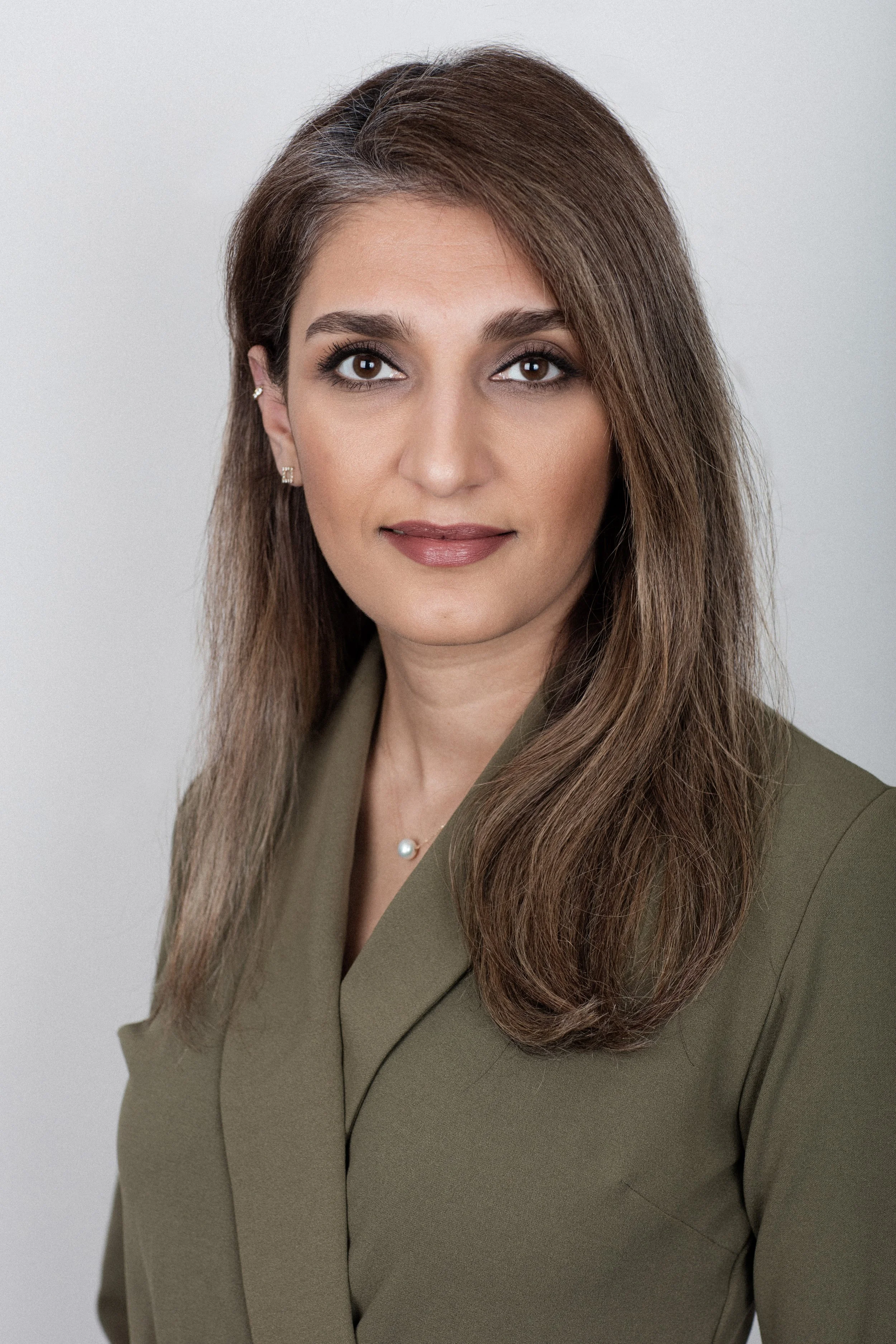


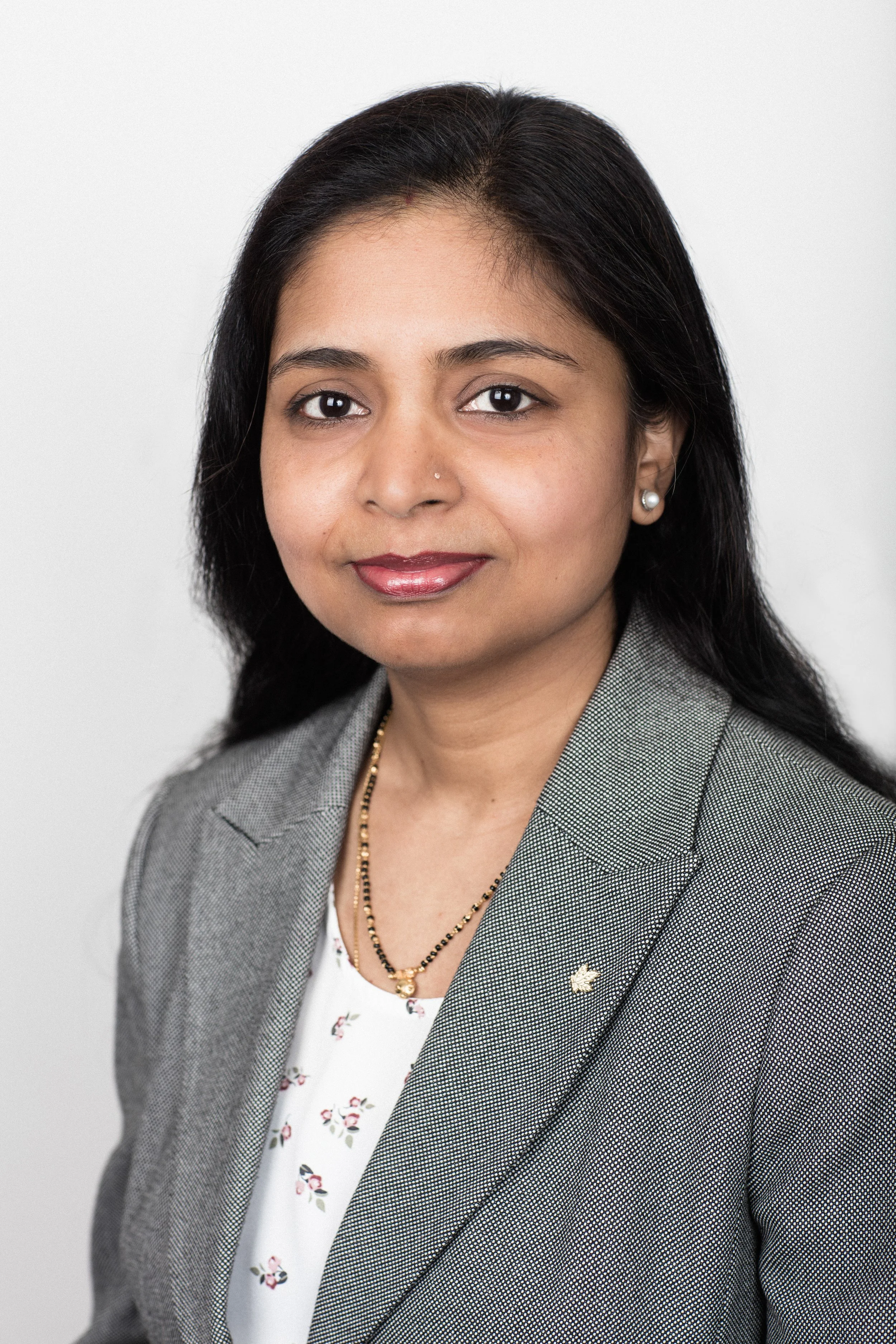
A good photographer will create a variety of options so you have images to choose from rather than relying on one photograph.
4. Make Your Team Photos Look Cohesive
When photographing a team, consistency is important.
You want the images to look like they belong together, particularly if they will appear side-by-side on your website or in a brochure.
Try to keep:
Similar framing and crop
Consistent lighting
Similar background
Similar distance from the camera
Individuals positioned at approximately the same visual height
For a larger group, arranging people in multiple rows can create a more natural composition than trying to fit everyone into a single straight line.
For website banners, horizontal images are often particularly useful because they provide space for text, logos, or other design elements.
5. Think About Where the Images Will Be Used
Before your shoot, think beyond your LinkedIn profile.
Will the images be used for:
Your website
LinkedIn
Social media
Email signatures
Business cards
Brochures
Press releases
Advertising
Presentations
Annual reports
Team pages
Recruitment
Knowing this ahead of time allows your photographer to create images in different orientations and compositions.
For example, a horizontal image with negative space can be extremely useful for a website banner, while a tighter vertical crop may work better for an individual profile.
6. Don't Forget About Usage Rights
One of the most important—and often overlooked—parts of professional photography is understanding how you can use your images.
Before your session, ask your photographer:
What exactly is included in the usage rights?
Make sure you understand whether your images can be used for your website, social media, advertising, print materials, internal communications, and other marketing purposes.
Also clarify whether you receive high-resolution files and whether there are additional fees for future usage or additional images.
Having this conversation upfront gives you peace of mind and avoids surprises later.
7. Give Your Photographer Some Direction
The best corporate photography happens when the photographer understands your business.
Before the session, share your website, brand guidelines, examples of images you like, and information about how the photos will be used.
Tell your photographer what you want people to feel when they see your team.
Do you want your company to feel:
Professional? Approachable? Creative? Established? Energetic? Sophisticated? Innovative?
These details can influence everything from lighting and background to posing and composition.


The Bottom Line
Professional team photography is an investment in your brand.
The goal isn't simply to get a collection of nice headshots. It's to create a library of versatile, consistent, professional images that you can actually use across your marketing.
With a little planning before the camera comes out, you can walk away with photographs that represent your team authentically and continue working for your business long after the photo session is over.
Studio Photography: The Art of Playing with Light and Shadow
Professional Studio Photography for Brands and Personal Branding
Photography is often described as painting with light. In the studio, light becomes more than a tool—it becomes the creative foundation of every image.
While beautiful locations and natural environments can add depth to a photograph, there is something uniquely powerful about the controlled environment of a photography studio. With complete control over lighting, shadows, and mood, a studio becomes a blank canvas where creativity can take center stage.
Whether photographing a personal branding session, a commercial campaign, a fitness athlete, or a lifestyle brand, the way light interacts with a subject can dramatically influence the story being told.
Why Lighting Matters
Light shapes the way we see people, products, and spaces.
It can create softness and warmth. It can evoke confidence and strength. It can add mystery, drama, or elegance.
The difference between a flat image and a compelling photograph often comes down to the quality and direction of the light.
In studio photography, every lighting decision is intentional. From the placement of a single light source to the use of reflectors, softboxes, grids, and modifiers, each element helps create a specific mood and visual impact.
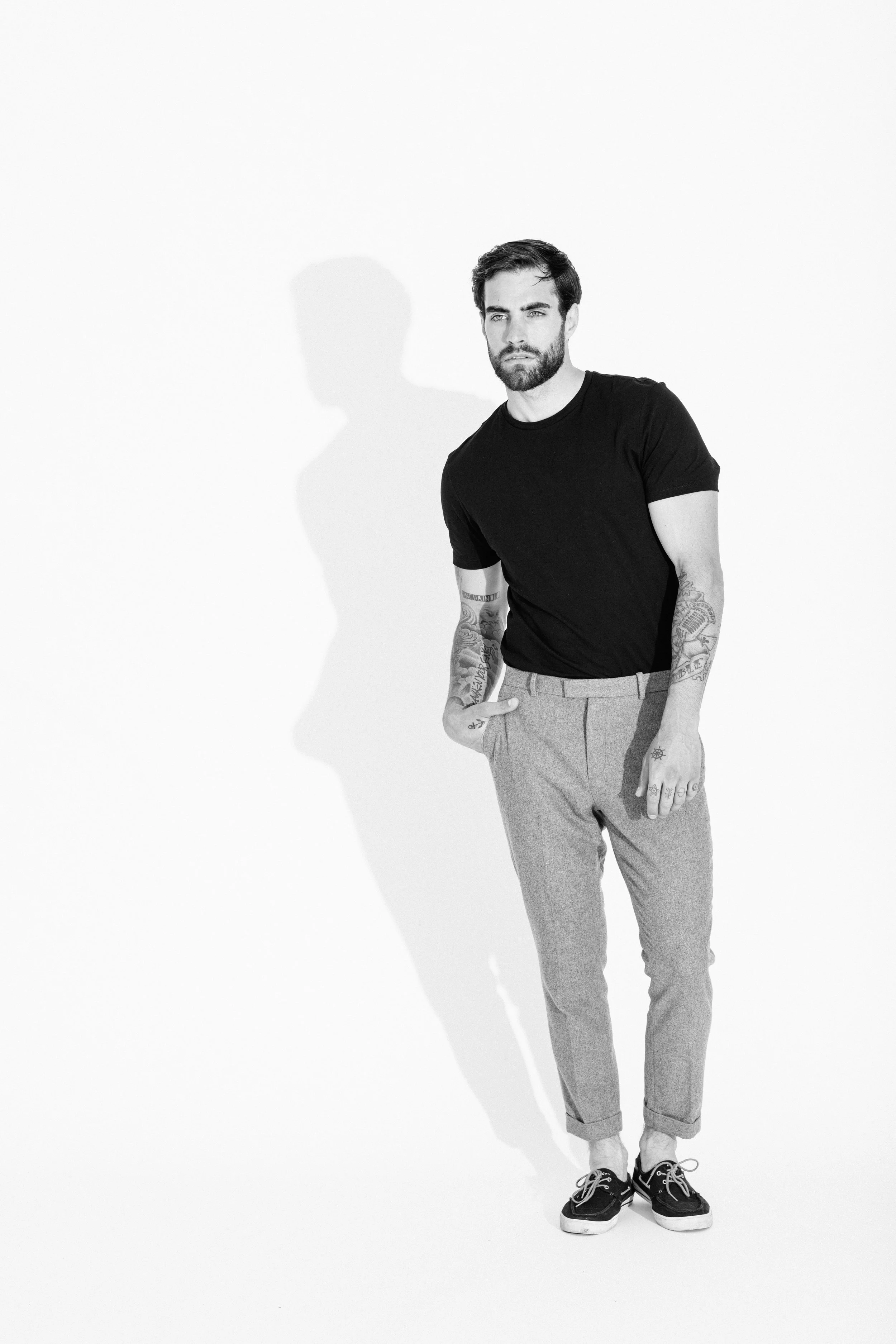
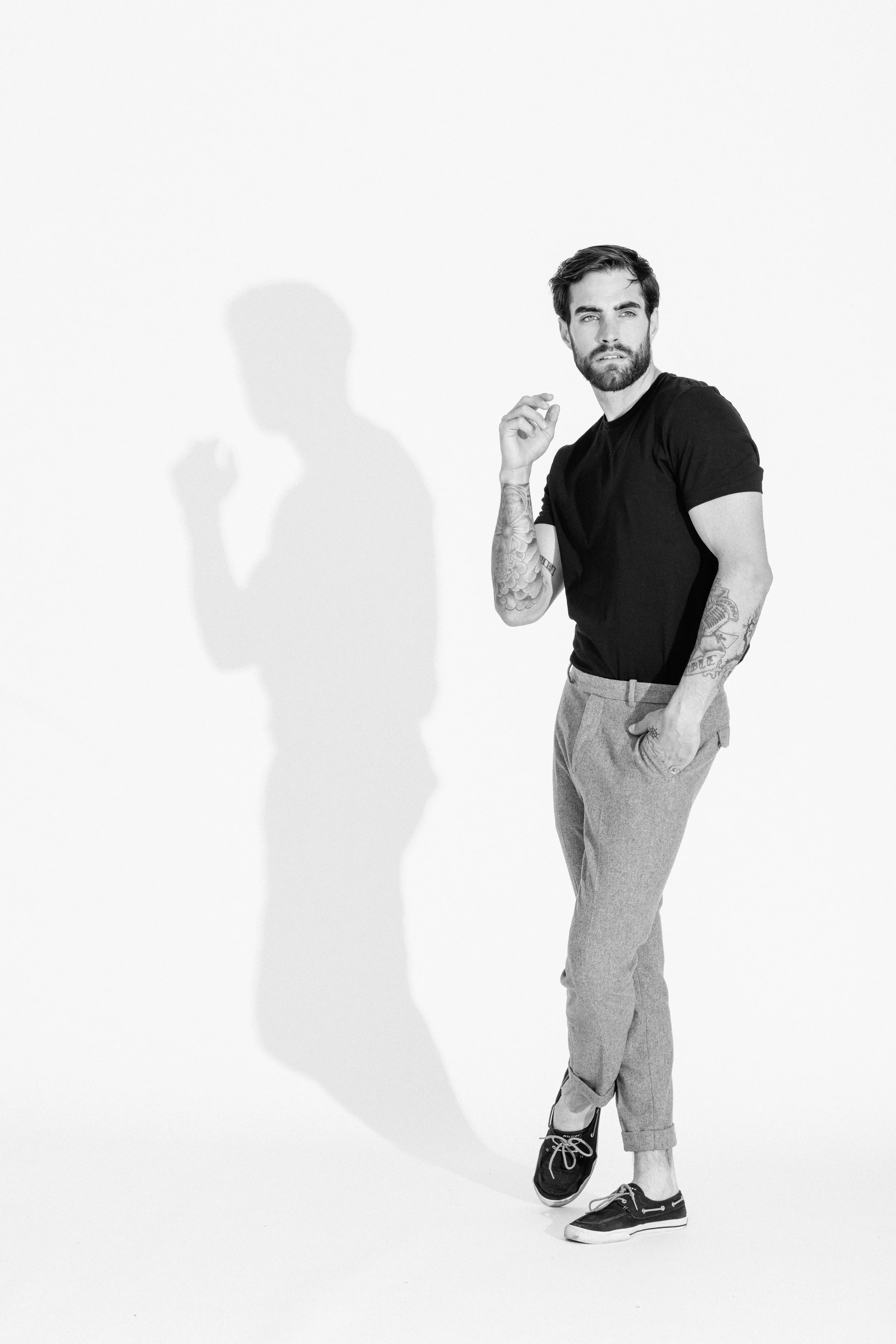
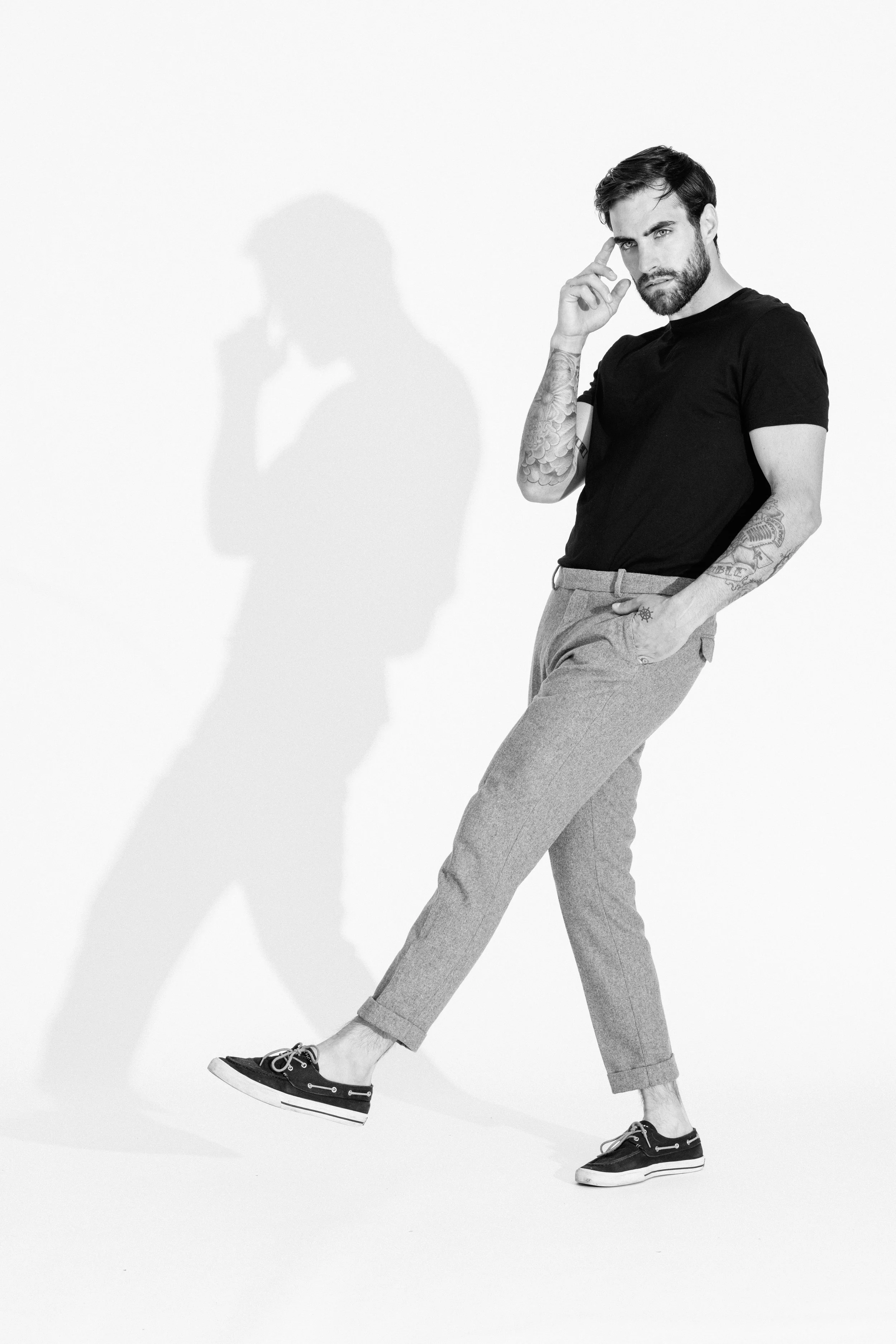
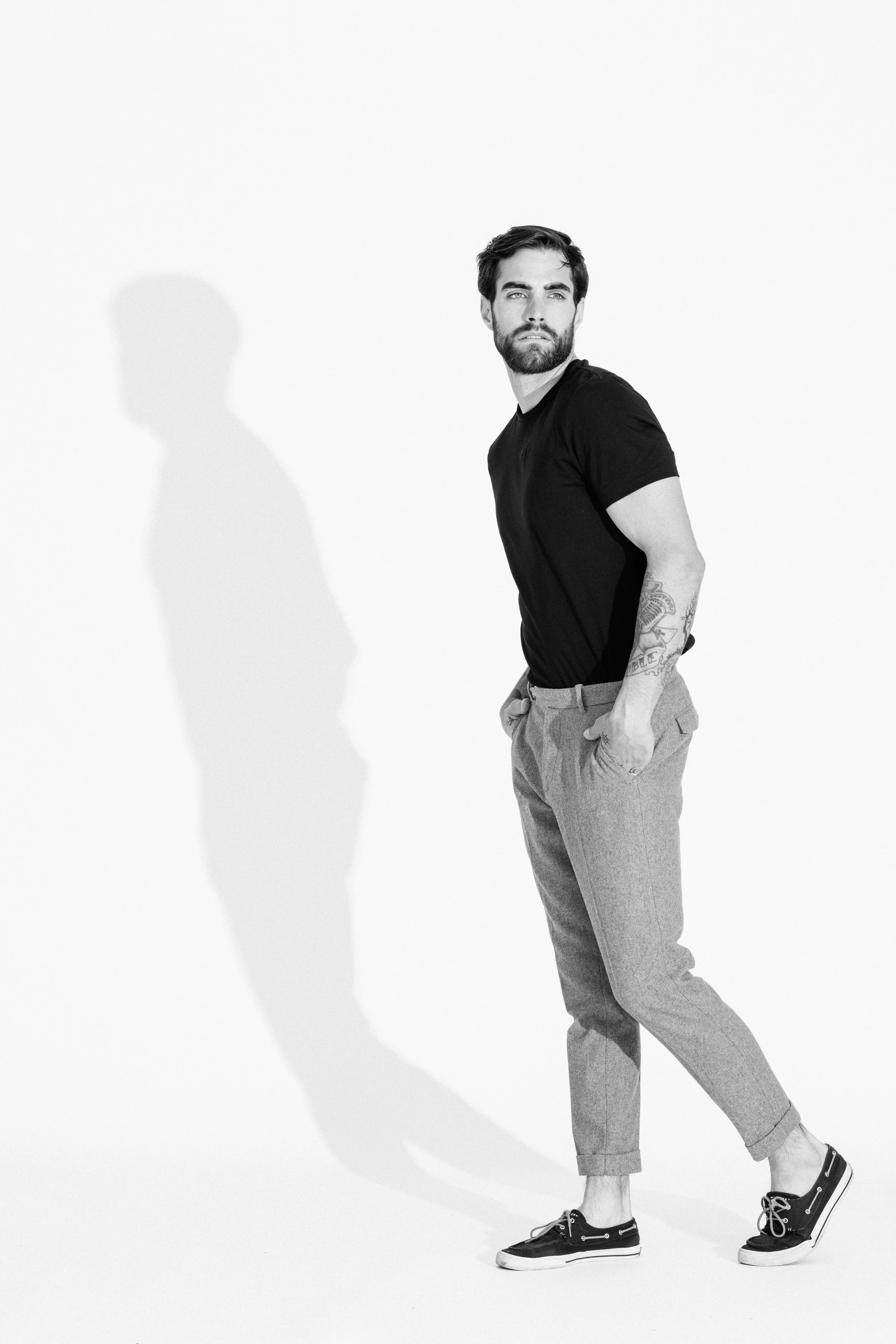
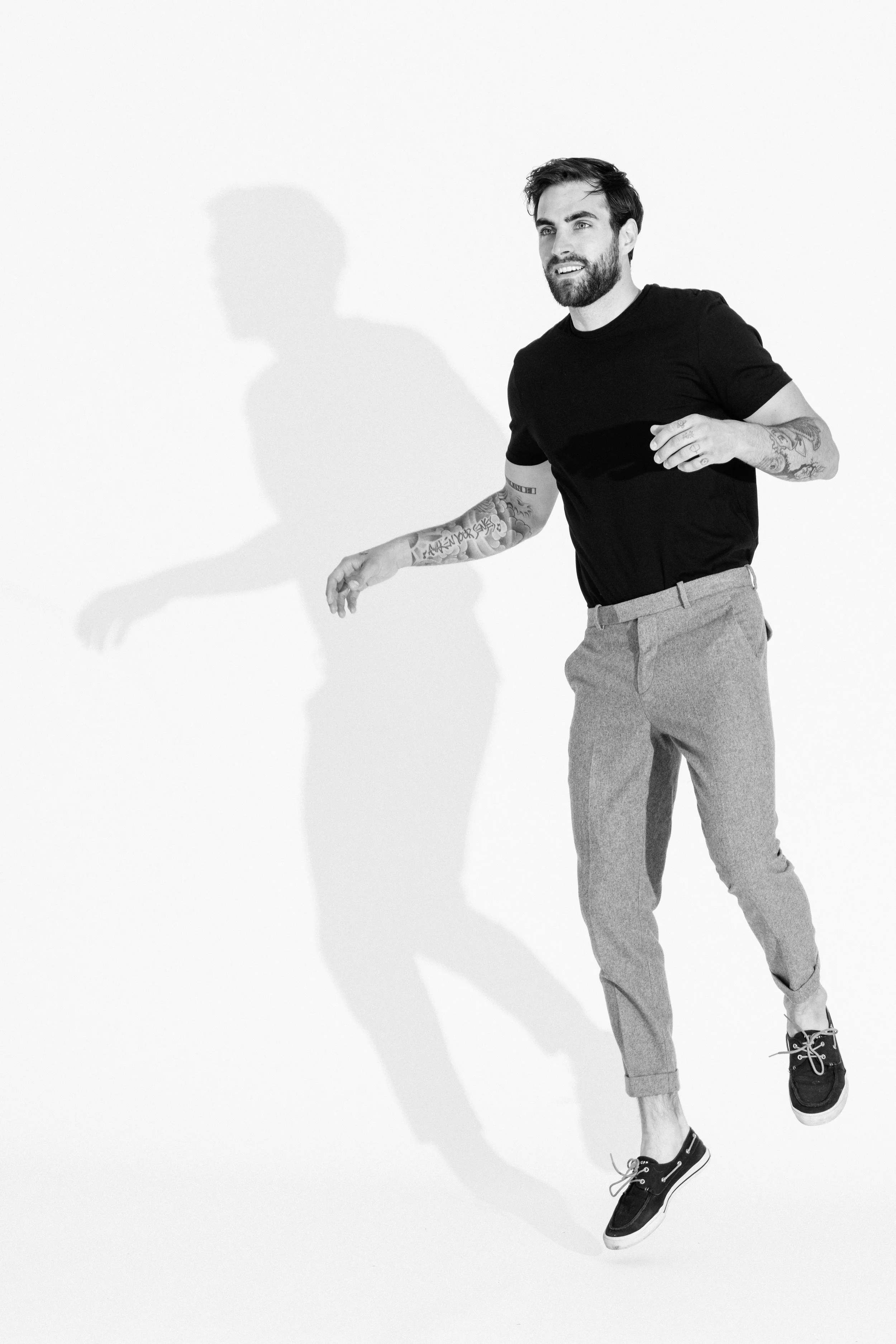
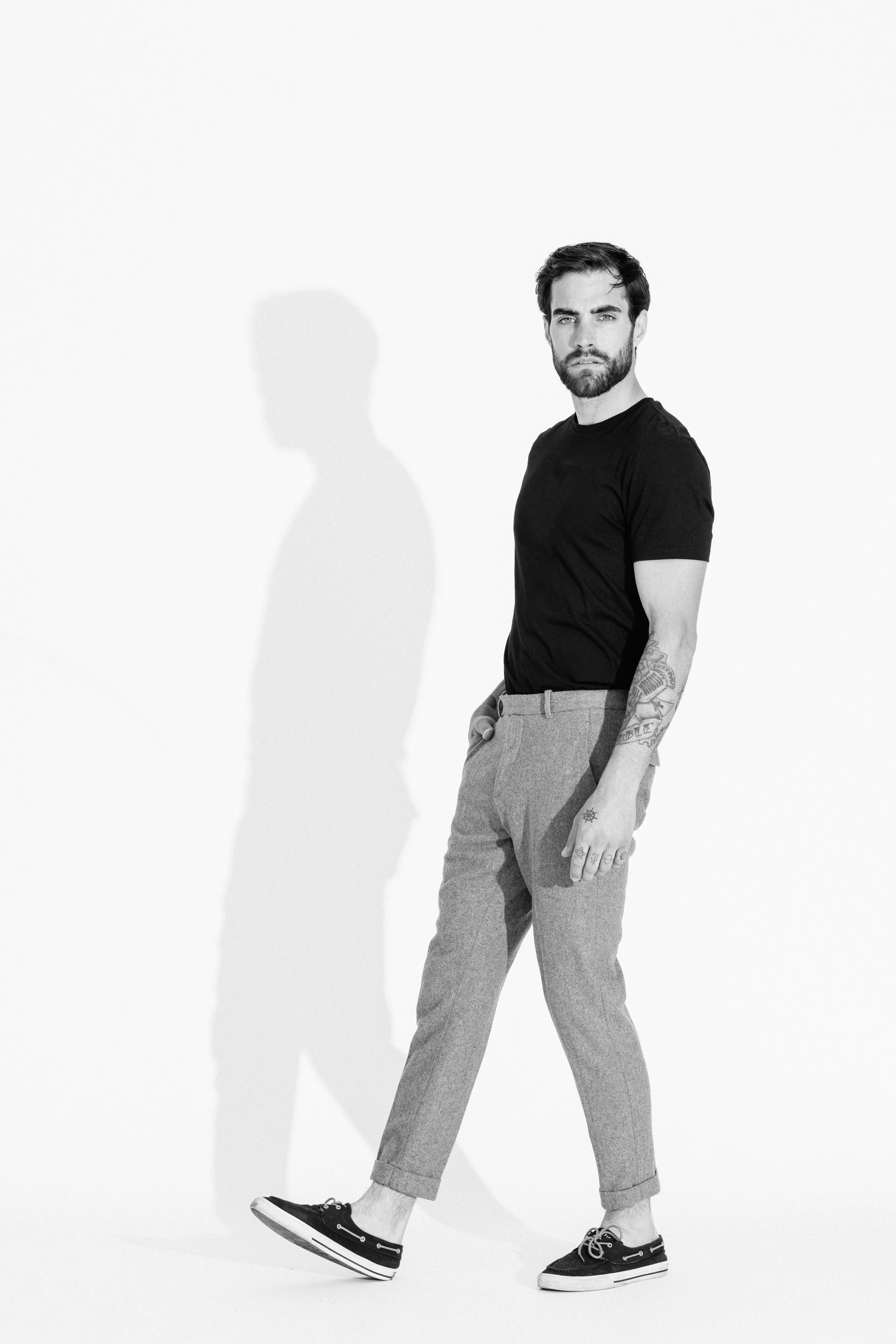
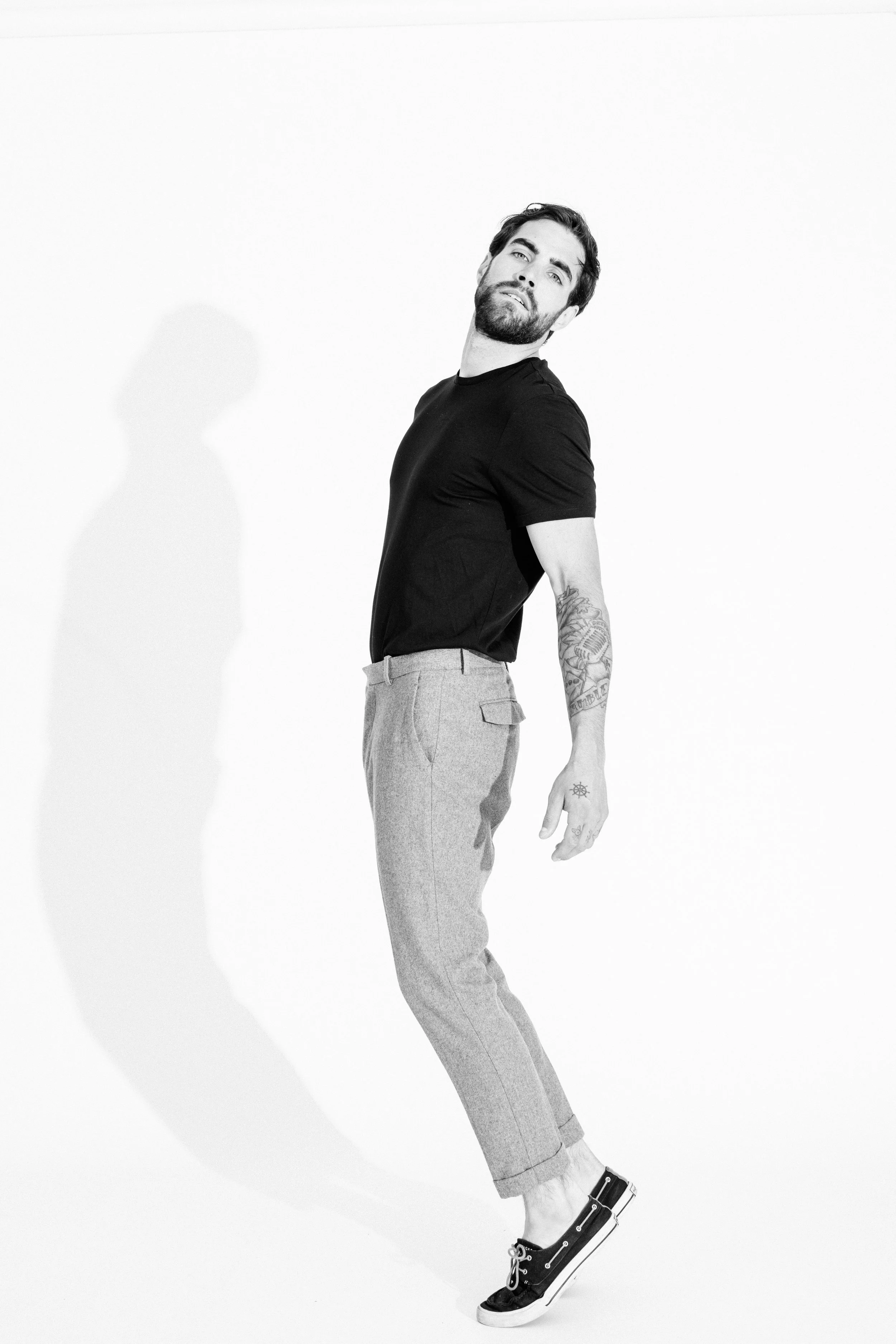
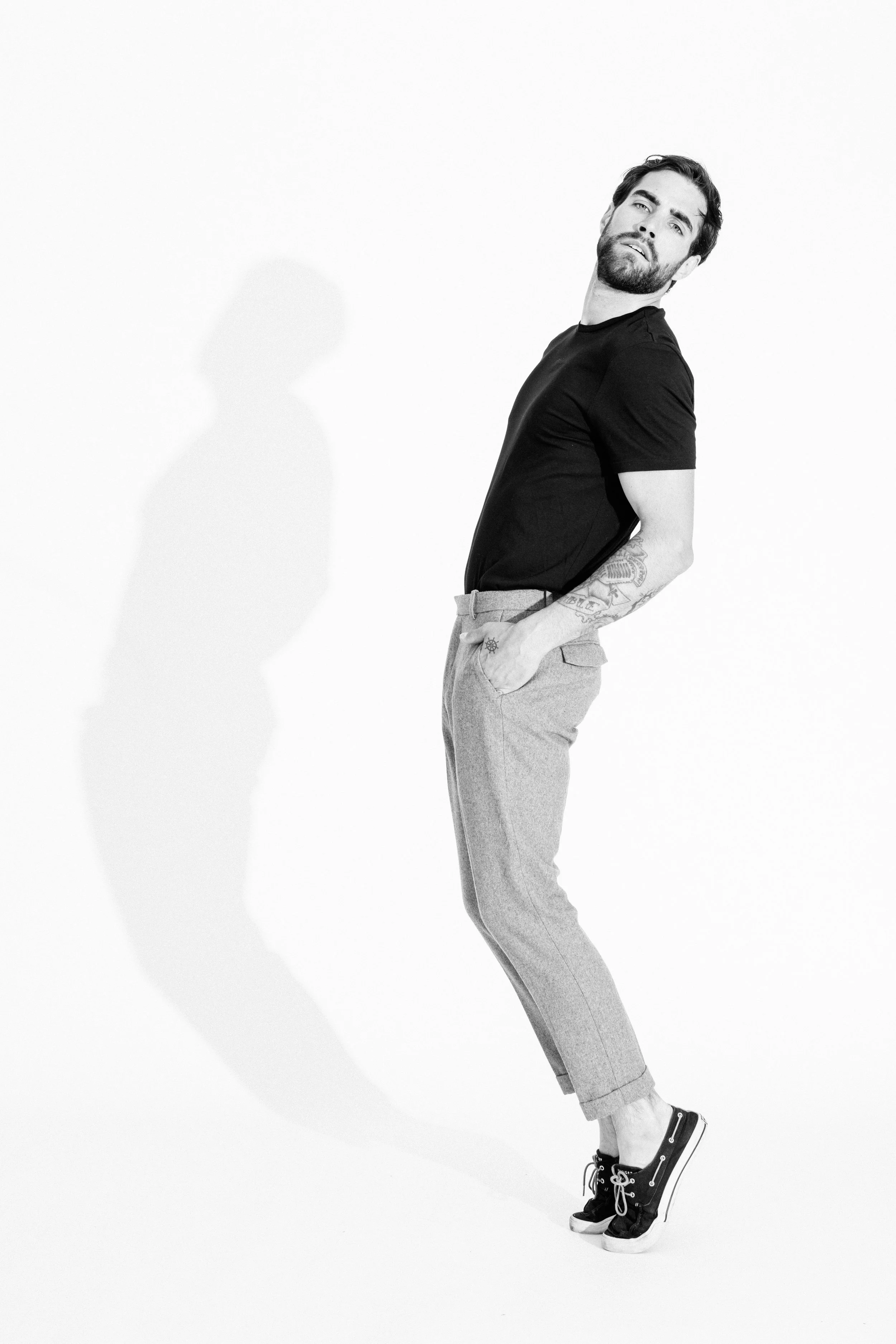
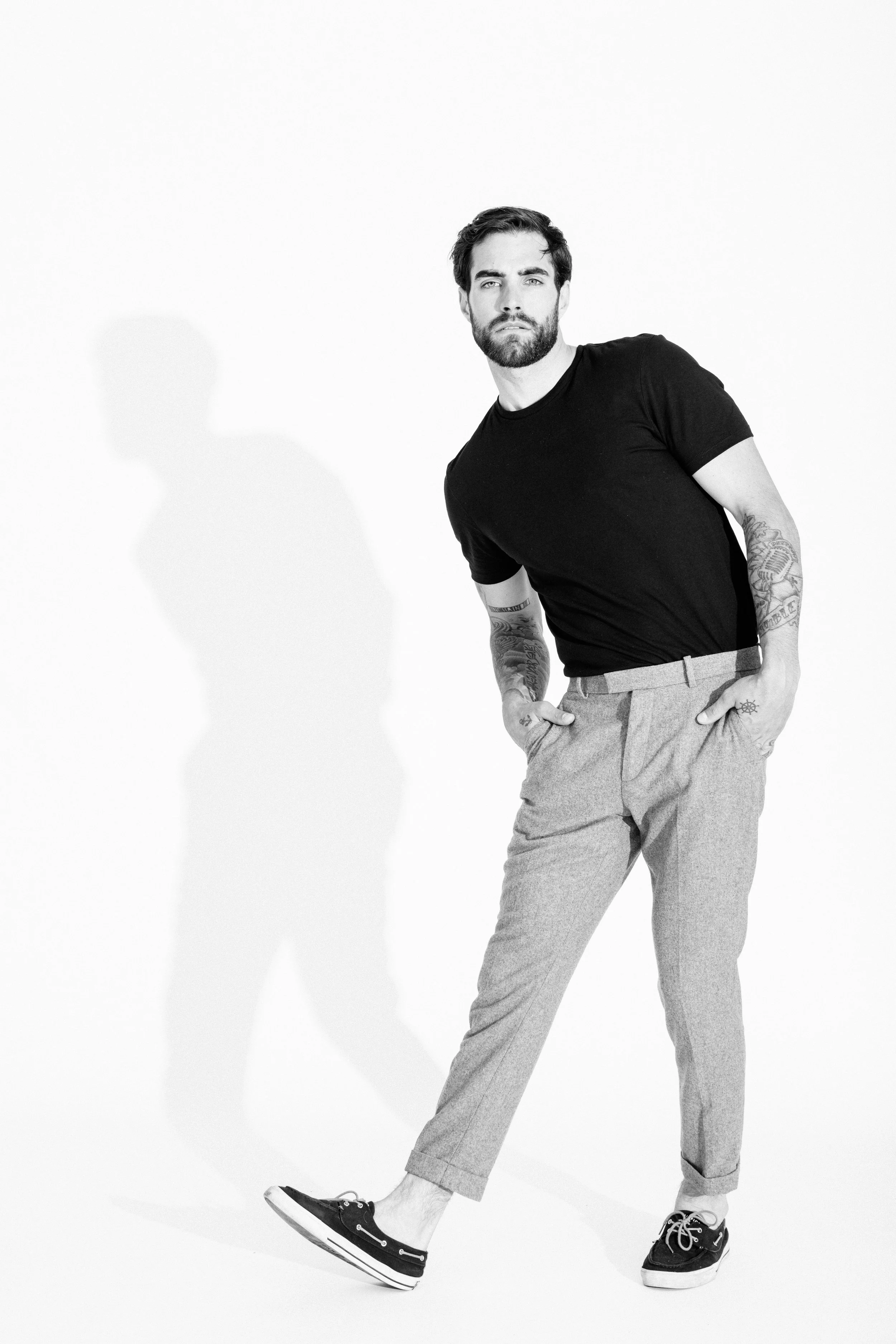
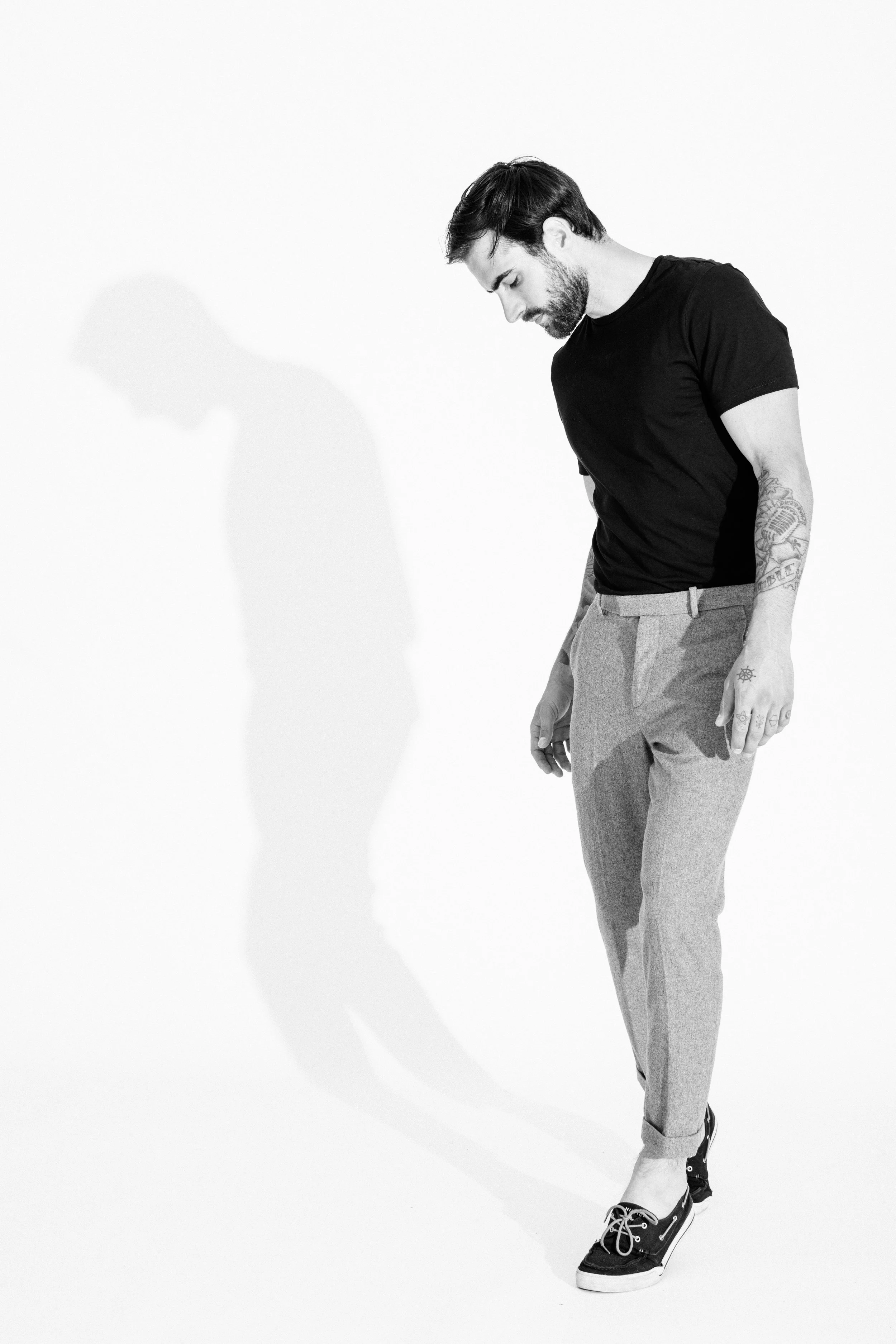
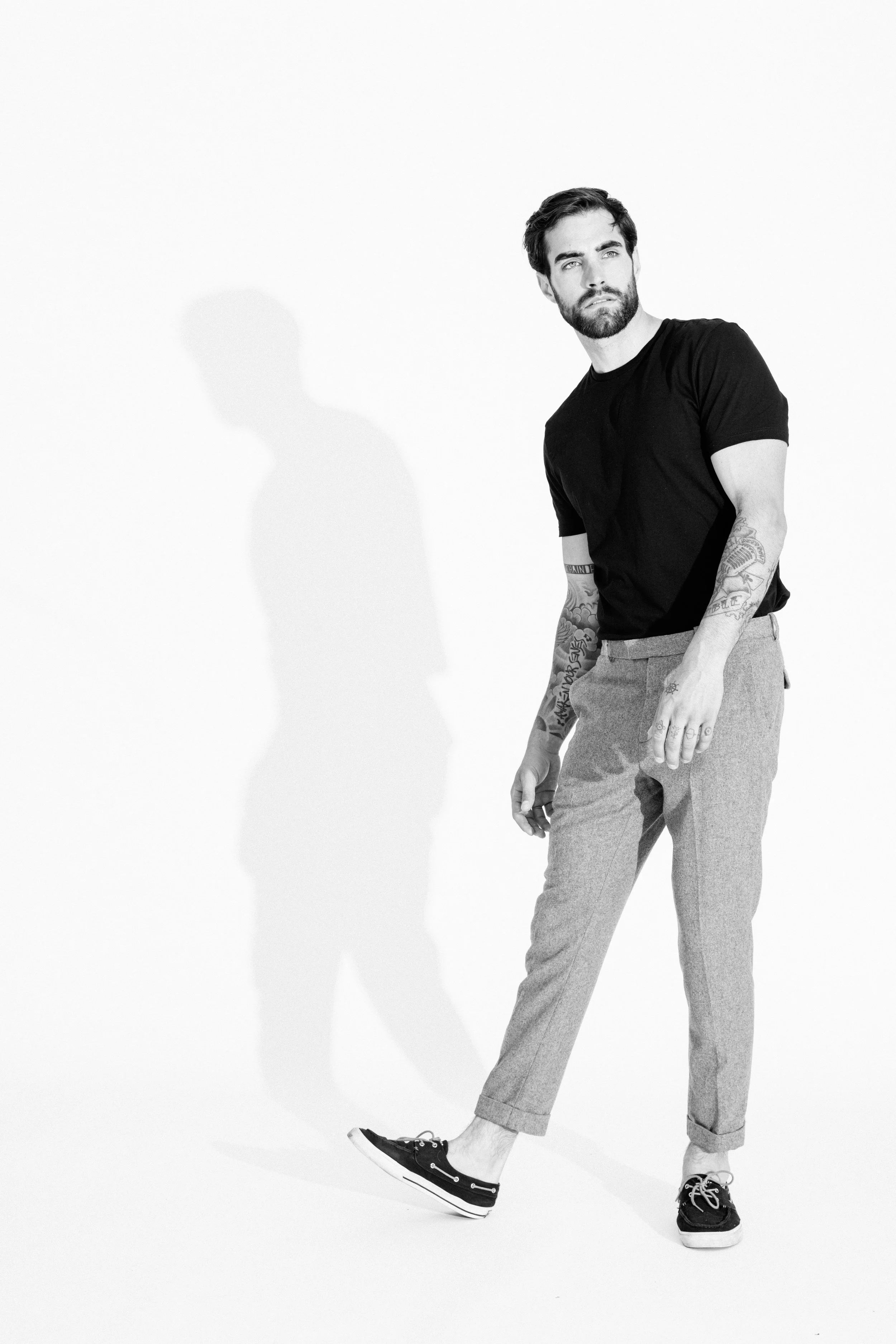
The Beauty of Shadows
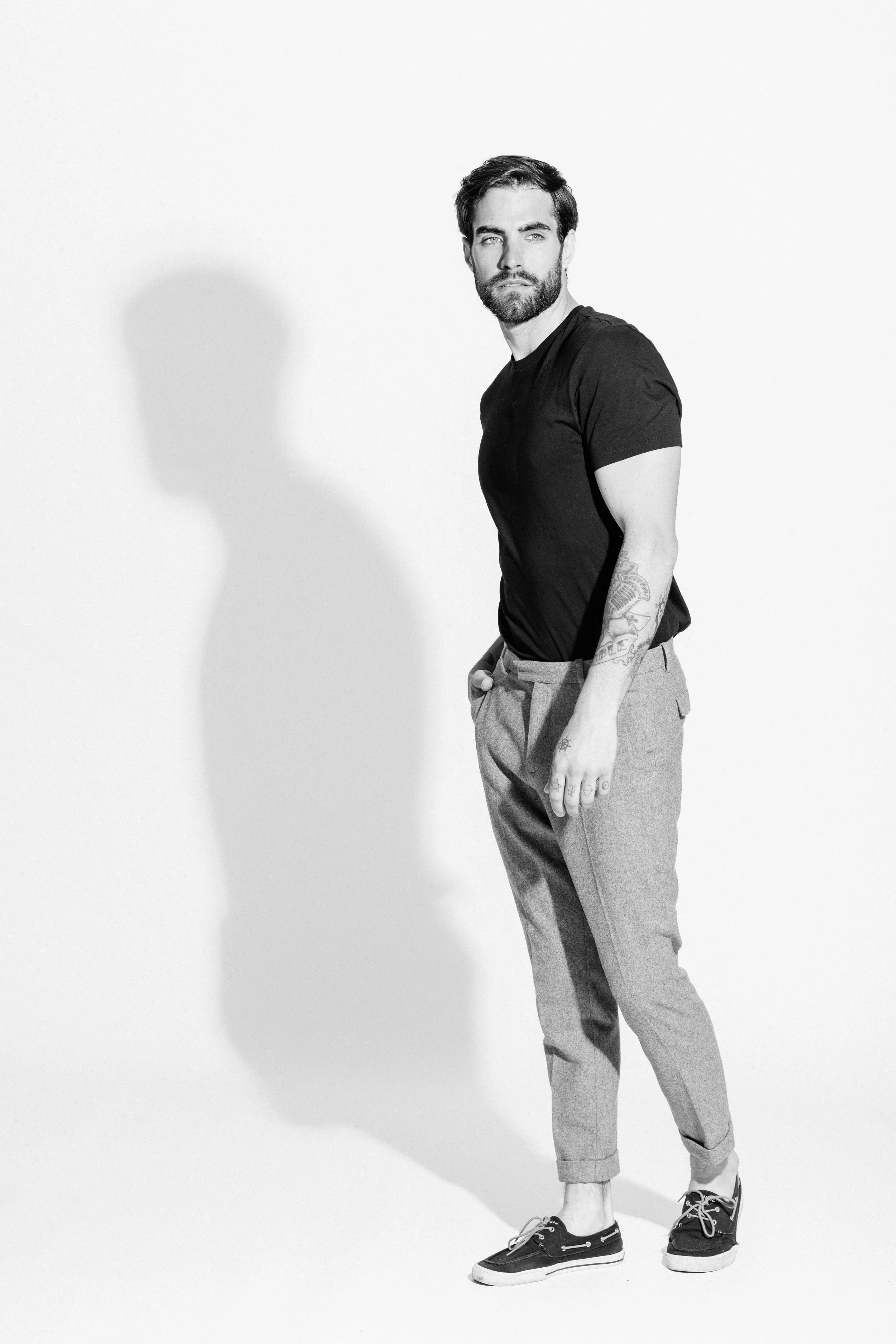
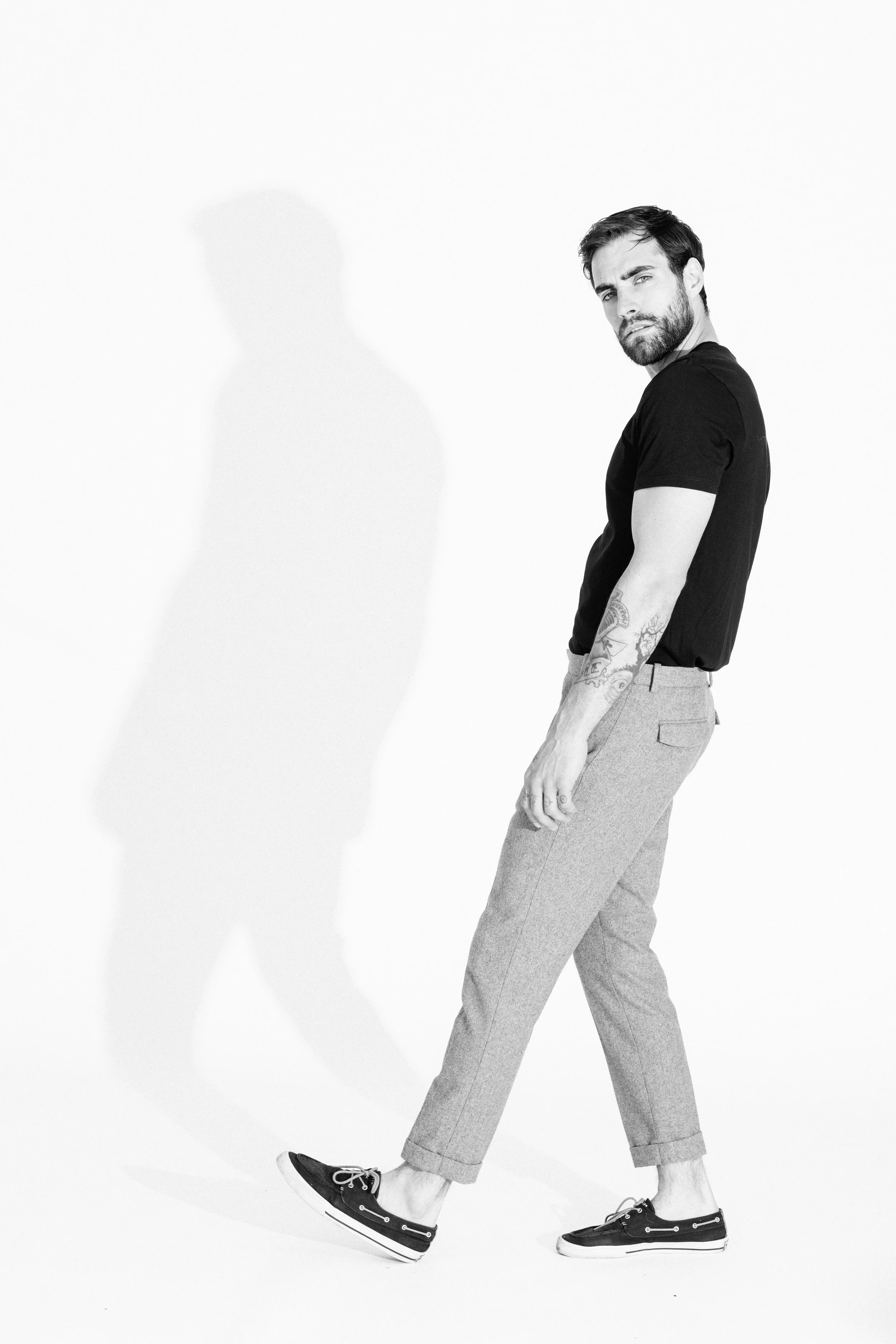
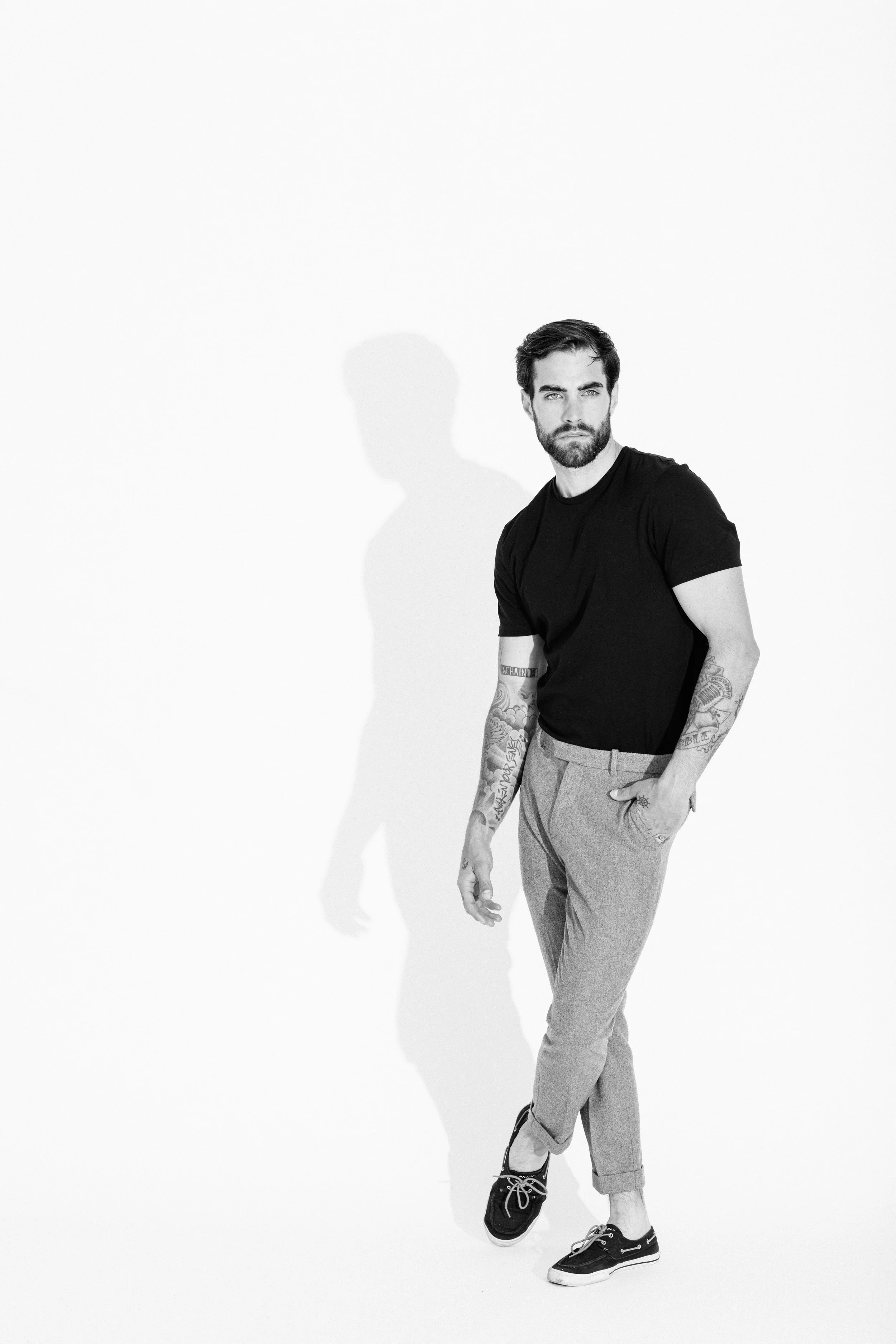
While photographers often focus on light, shadows are equally important.
Shadows add dimension, texture, and depth. They create contrast and help guide the viewer's eye through an image.
A dramatic shadow across a portrait can create intrigue and emotion. Soft shadows can add subtle shape and elegance. Bold geometric shadows can transform a simple photograph into a piece of visual art.
Learning to embrace shadows rather than eliminate them opens up endless creative possibilities.
Creating Mood Through Light
One of the greatest advantages of studio photography is the ability to create different moods without changing locations.
A single subject can be photographed in completely different ways simply by adjusting the lighting.
Soft, diffused light can create an airy, approachable feel that works beautifully for wellness brands, personal branding sessions, and lifestyle imagery.
Directional lighting can add strength and confidence, making it ideal for fitness photography, executive portraits, and commercial campaigns.
Low-key lighting with deeper shadows can create drama, sophistication, and visual impact.
The ability to shape light allows photographers to create imagery that aligns with a brand's personality and message.
Studio Photography for Brands
For brands, consistency is everything.
Studio photography provides a controlled environment that allows for a cohesive visual identity across marketing materials, websites, advertising campaigns, and social media.
Whether photographing products, founders, team members, or brand ambassadors, studio lighting creates a polished and professional look that helps businesses stand out.
The flexibility of a studio also allows for experimentation. By changing lighting setups, backgrounds, and compositions, a single session can produce a wide variety of content while maintaining a consistent aesthetic.
The Creative Process
Some of the most interesting studio images come from experimentation.
Playing with hard light, soft light, coloured gels, projections, reflections, and shadows can create unexpected results that bring a fresh perspective to a photoshoot.
The studio becomes a place to explore ideas, push creative boundaries, and discover new ways of seeing a subject.
Every lighting setup tells a different story.
Sometimes it's a subtle shift in shadow. Sometimes it's a dramatic beam of light. Often, it's the combination of both that creates something memorable.
Why Studio Photography Still Matters
In an age where content is constantly being created, thoughtfully crafted studio photography stands out.
The controlled environment allows for precision, creativity, and attention to detail that is difficult to achieve elsewhere.
More importantly, it allows brands and individuals to create images that feel intentional—images that communicate confidence, professionalism, and personality.
Whether you're creating personal branding portraits, commercial advertising, fitness imagery, or lifestyle content, the interplay of light and shadow remains one of the most powerful tools in photography.
Bringing Your Vision to Life
Every brand, business, and individual has a unique story to tell.
Studio photography offers the opportunity to shape that story through light, shadow, texture, and mood.
When used thoughtfully, lighting becomes more than illumination—it becomes a creative language that helps transform an idea into a compelling visual experience.
The next time you step into a studio, don't just look at the light. Look at the shadows too. That's often where the magic happens.
In a World of AI, Why Real Photography Matters More Than Ever for Your Brand
AI can create almost anything. That’s exactly why real images of real people, places and products are becoming more valuable.
We’re living in a time when almost any image can be created with a prompt.
A perfect lifestyle scene. A flawless portrait. A mountain landscape that never existed. A product photographed in a studio that was never there.
AI-generated imagery is changing the way brands create and use visual content—and there’s no question that it offers exciting possibilities.
But there’s an interesting paradox happening at the same time:
The easier it becomes to create an image, the more valuable a real image can become.
Why?
Because people aren’t just looking for beautiful images anymore. They’re looking for connection, credibility and something they can believe in.

Your audience can tell when something feels real
We are becoming increasingly sophisticated consumers of imagery.
We scroll past thousands of images every week. We see highly polished advertising, carefully curated social feeds and increasingly realistic AI-generated content.
And while an AI image might look impressive, it can lack something that technology can't easily manufacture:
A real story.
There’s a difference between showing someone an image of an athlete running through the mountains and showing the actual person behind the brand doing what they love.
There’s a difference between generating an image of a beautiful wellness space and photographing the people, details and atmosphere that actually make that business unique.
And there’s a difference between creating a generic image of an entrepreneur and showing the real person—their personality, environment, energy and expertise.
Authenticity creates recognition. Recognition creates trust.
Perfect isn't always the goal
For years, commercial photography often focused on creating the most polished, perfected version of a brand.
Perfect lighting. Perfect skin. Perfect poses. Perfect environments.
But brands are beginning to understand that perfection isn't necessarily what makes an image compelling.
Sometimes it's the wind in someone's hair.
The genuine laugh between takes.
The athlete covered in sweat after a workout.
The imperfect texture of a handmade product.
The way someone naturally interacts with their environment.
The little details that couldn't have been planned or generated.
These moments create visual authenticity.
And for brands built around people, experiences, wellness, fitness, adventure and lifestyle, those details are often the most powerful part of the story.
Your brand is more than a logo
A strong visual identity isn't just about colours, fonts and a logo.
Your photography is one of the most important ways people experience your brand.
Think about what someone sees when they land on your website or Instagram account.
Do they see generic stock photography?
Do they see the same type of polished images as everyone else in your industry?
Or do they immediately get a sense of who you are, what you do and what makes you different?
Your imagery should communicate your brand before someone reads a single word.
For a fitness brand, that might mean capturing energy, movement, strength and real human connection.
For a wellness brand, it might be about calm, texture, natural light and meaningful details.
For an outdoor company, it could mean documenting real people using your products in the environments they're designed for.
For a personal brand, it means showing more than what you look like. It means showing who you are and what you bring to the table.
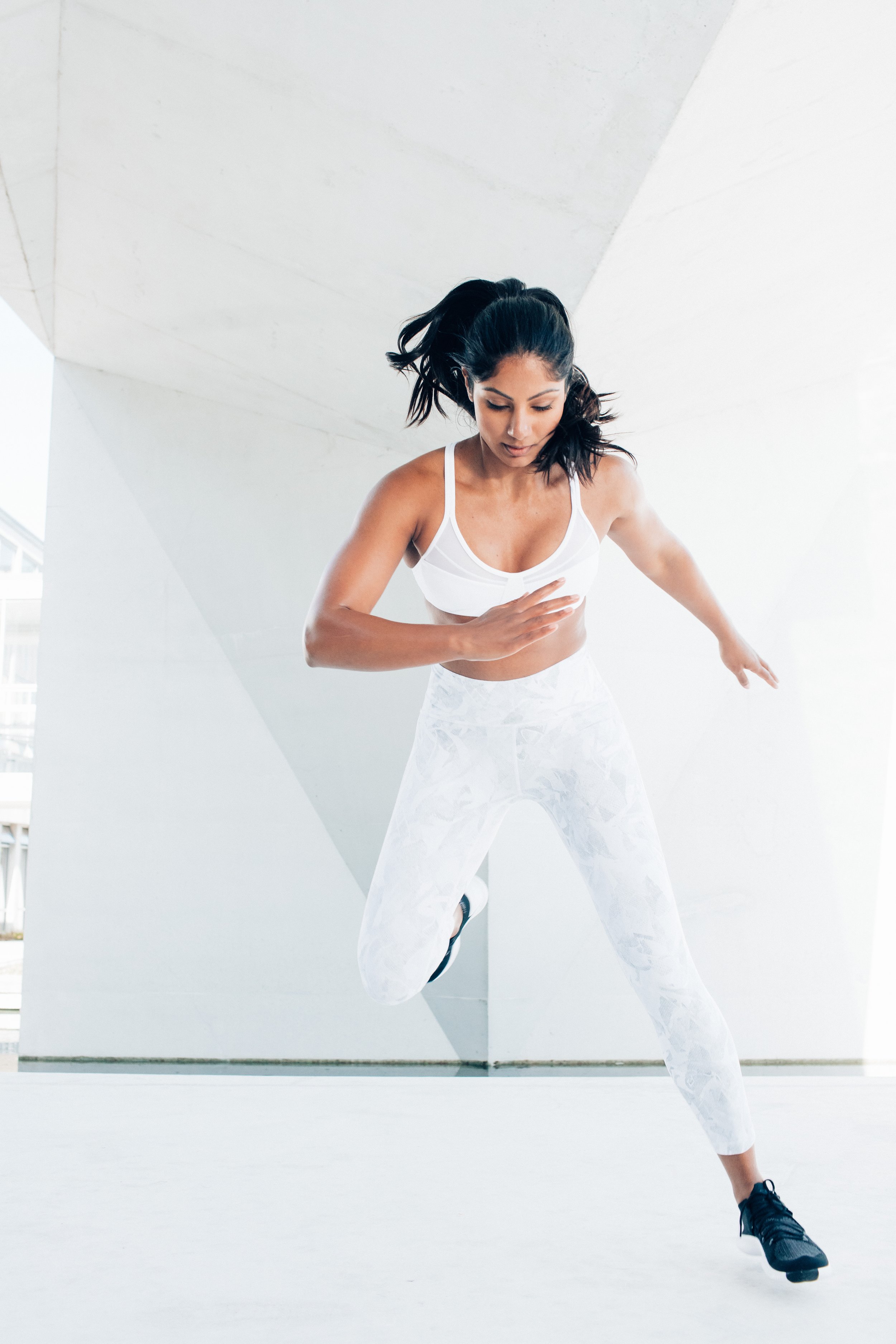
Personal branding photography is about telling the bigger story
A professional headshot has its place.
But your personal brand is much bigger than your headshot.
Today's audiences want to see the person behind the business.
They want to know what you do, how you work, what you're passionate about and what it feels like to work with you.
That's where personal branding photography becomes powerful.
Instead of creating one polished portrait, a well-planned branding session can give you an entire visual library:
Professional portraits
Environmental portraits
Images of you working
Behind-the-scenes moments
Lifestyle imagery
Detail shots
Product photography
Website banner images
Social media content
Images that show personality and expertise
The result isn't simply a collection of photographs.
It's a visual toolkit for your brand.
Real photography gives your brand something AI can't
AI can generate a convincing image of almost anything.
But it can't photograph your actual team having a conversation.
It can't document your real customers using your product.
It can't capture the exact environment where your business operates.
It can't recreate the relationship between an athlete and a coach.
It can't photograph the subtle details of your product that make it uniquely yours.
And it can't replace the experience of being there.
Those real moments become part of your brand's intellectual and visual property.
They're proof that your business exists, that your people are real and that your story is yours.
The future isn't AI vs. photography
I don't believe the future of commercial photography is about choosing between AI and real photography.
AI is going to continue to be an incredibly useful creative tool.
The opportunity for brands is to use technology where it makes sense while continuing to invest in the things that make their brand human.
Use AI to explore ideas.
Use it to brainstorm concepts.
Use it to experiment.
But when it comes to showing your people, your products, your customers, your locations and your story, there is still enormous value in being there with a camera.
Because your brand shouldn't look like everyone else's.
It should look like you.
Authentic imagery is an investment in trust
Your website, social media and marketing materials are often the first experience someone has with your business.
Before they contact you, buy your product or walk through your door, they're already forming an impression.
Professional photography gives you an opportunity to control that first impression with images that are intentional, consistent and authentic to your brand.
The goal isn't simply to make your business look good.
It's to make people feel something.
Curiosity.
Trust.
Connection.
Inspiration.
A desire to be part of what you're building.
And in a world increasingly filled with generated imagery, those human connections may become one of the most valuable things a brand can own.
Your brand has a story. Make sure people can see it.
Whether you're launching a business, building a personal brand or looking to refresh your company's visual identity, professional photography can give you the authentic imagery you need to communicate your story.
I create authentic brand, personal branding, lifestyle and commercial photography for fitness, wellness, outdoor and lifestyle brands in Vancouver and beyond.
Let's create imagery that doesn't just represent your brand—but feels like your brand.
Brand Photography for Wellness Brands: How to Stand Out in 2026
In today's crowded wellness market, having a great product or service is no longer enough. Whether you're a fitness coach, nutritionist, yoga instructor, skincare brand, supplement company, wellness clinic, or health-focused startup, the way your brand looks online can significantly impact how potential clients perceive your business.
As we move through 2026, consumers are becoming increasingly selective about the brands they trust. They're looking for authenticity, transparency, and genuine human connection. That's where professional brand photography becomes one of the most valuable investments a wellness business can make.
Why Visual Branding Matters More Than Ever
The wellness industry has exploded over the past few years. Social media feeds are filled with health coaches, fitness influencers, supplement companies, and wellness products all competing for attention.
When potential customers land on your website or Instagram page, they make a judgment about your brand in seconds. Professional imagery immediately communicates credibility, professionalism, and trustworthiness.
Strong brand photography helps answer important questions before a customer even reads a word:
Can I trust this business?
Does this brand align with my values?
Does this company feel established and professional?
Can I see myself using their product or service?
The right imagery creates an emotional connection that words alone cannot.
Authenticity Wins in 2026
Gone are the days of overly posed stock photos and sterile marketing imagery. Today's consumers want to see real people, real experiences, and genuine moments.
For wellness brands, authenticity is especially important because clients are often investing in personal transformation. They want to connect with the people behind the business.
Instead of focusing solely on perfect poses, successful wellness brands are embracing:
Natural interactions
Real client experiences
Behind-the-scenes moments
Everyday lifestyle imagery
Environmental portraits
Authentic movement and expression
The goal isn't perfection. The goal is connection.
Show the experience through lifestyle images, not just the product
One of the biggest mistakes wellness brands make is focusing exclusively on their product or service.
People don't buy supplements. They buy the feeling of vitality.
They don't buy personal training sessions. They buy confidence when they feel stronger and look better.
They don't buy skincare products. They buy the feeling of looking and feeling their best.
Effective wellness photography tells a story about the lifestyle and transformation your brand helps create.
Rather than simply photographing a product on a white background, think about how it fits into your customer's daily life. Show the morning routine, the workout, the post-hike recovery, the healthy meal, or the moments of connection and self-care.
The most successful wellness brands sell an experience, and your imagery should reflect that.
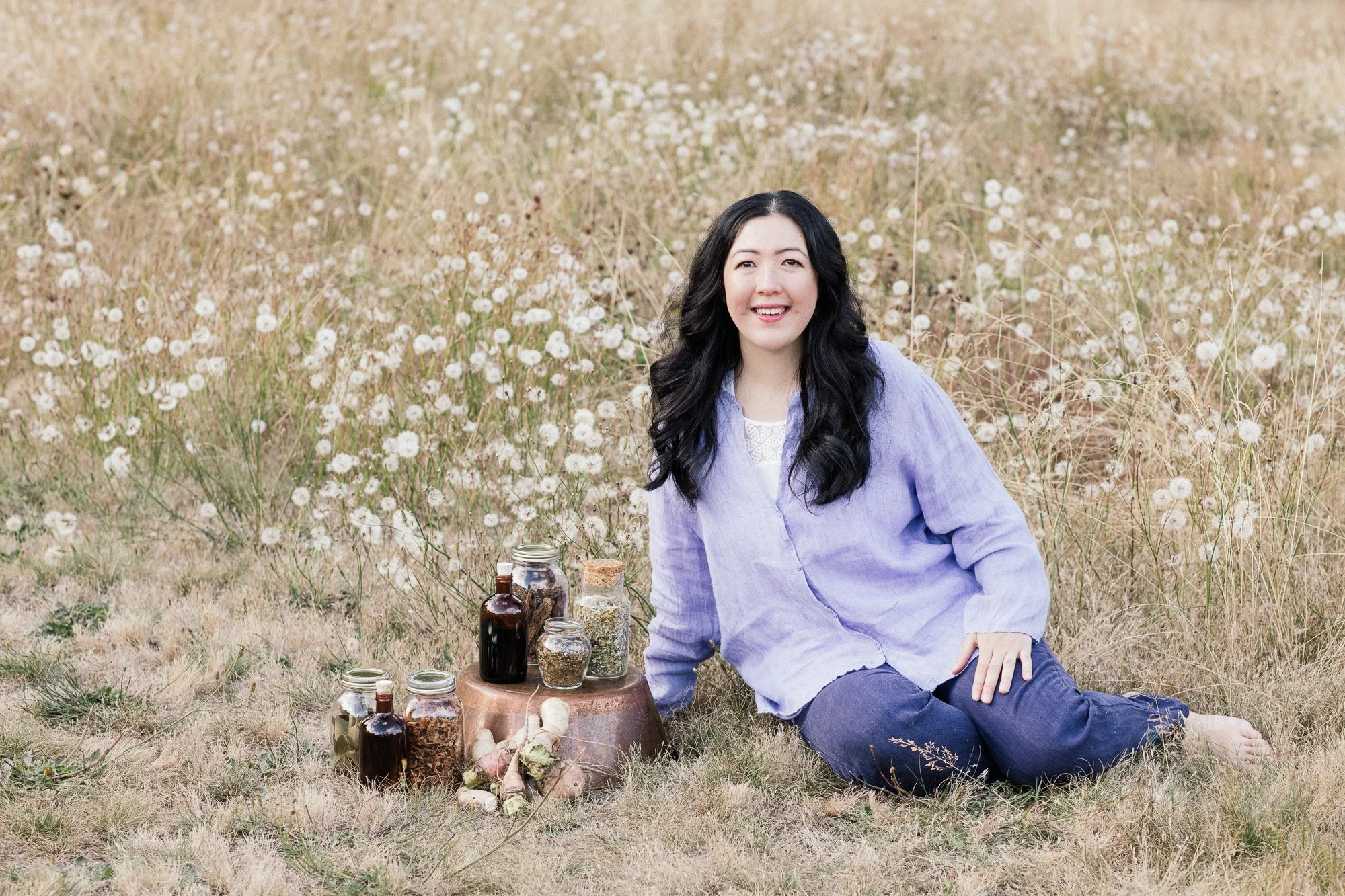
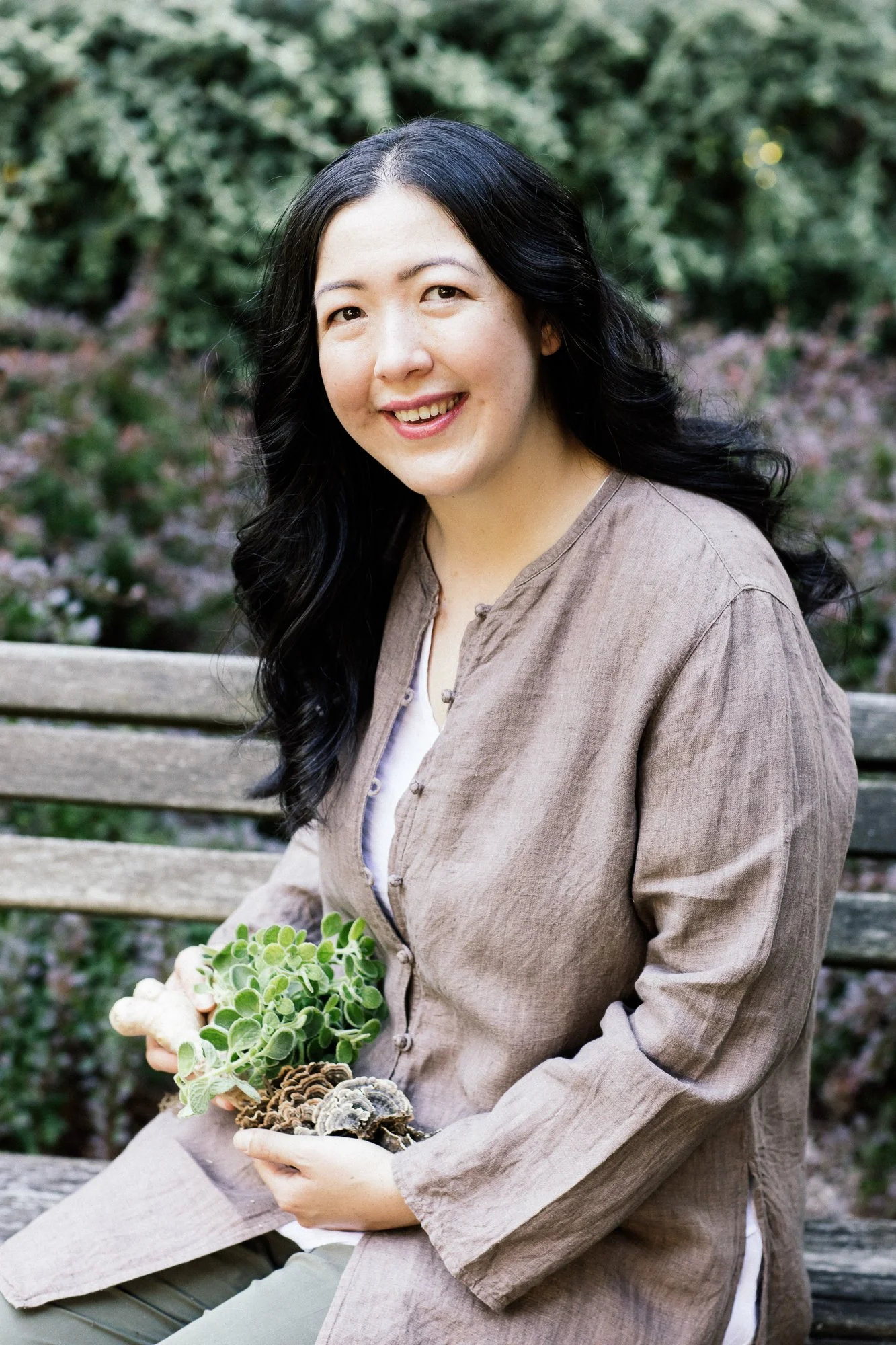
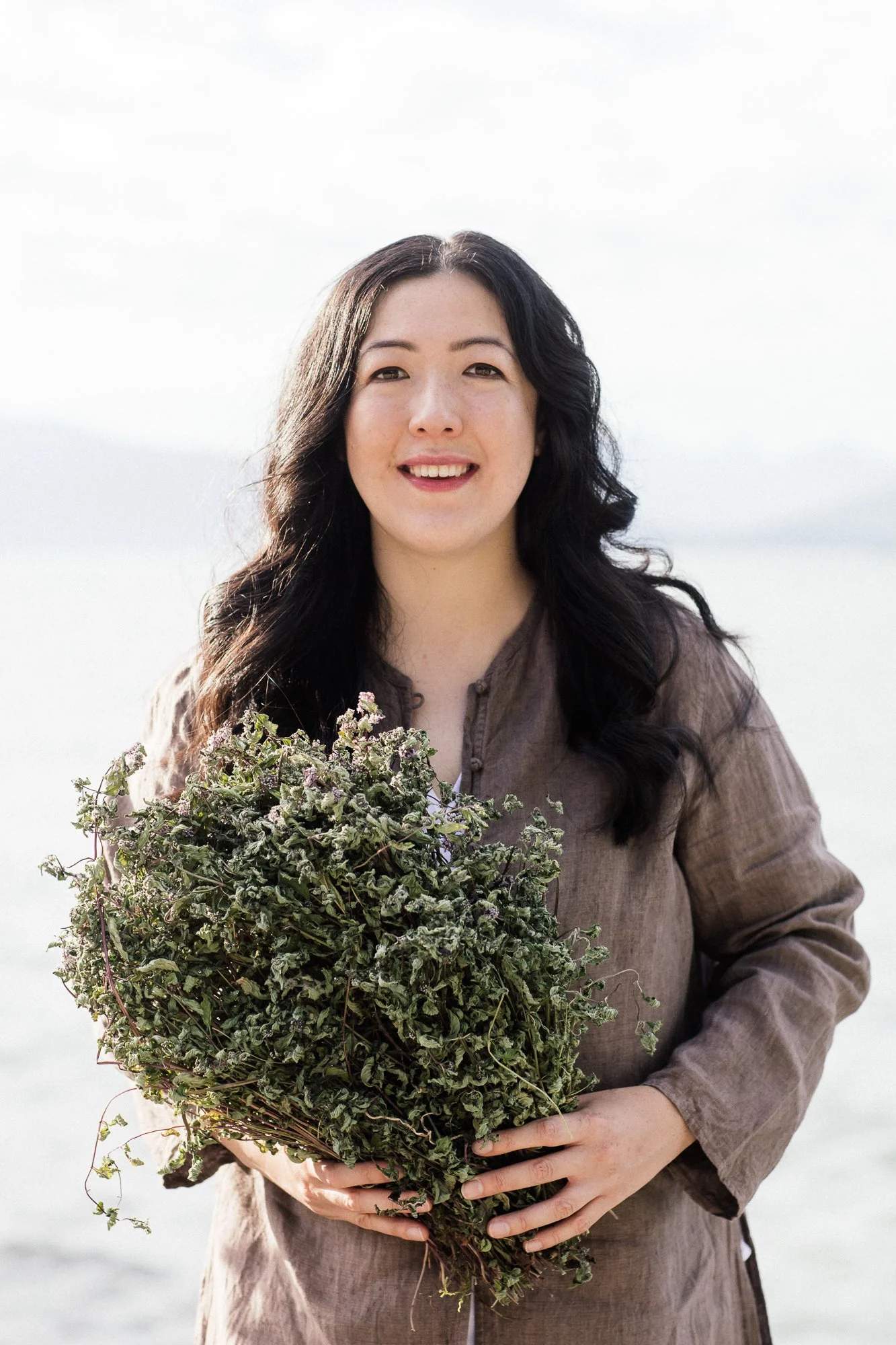
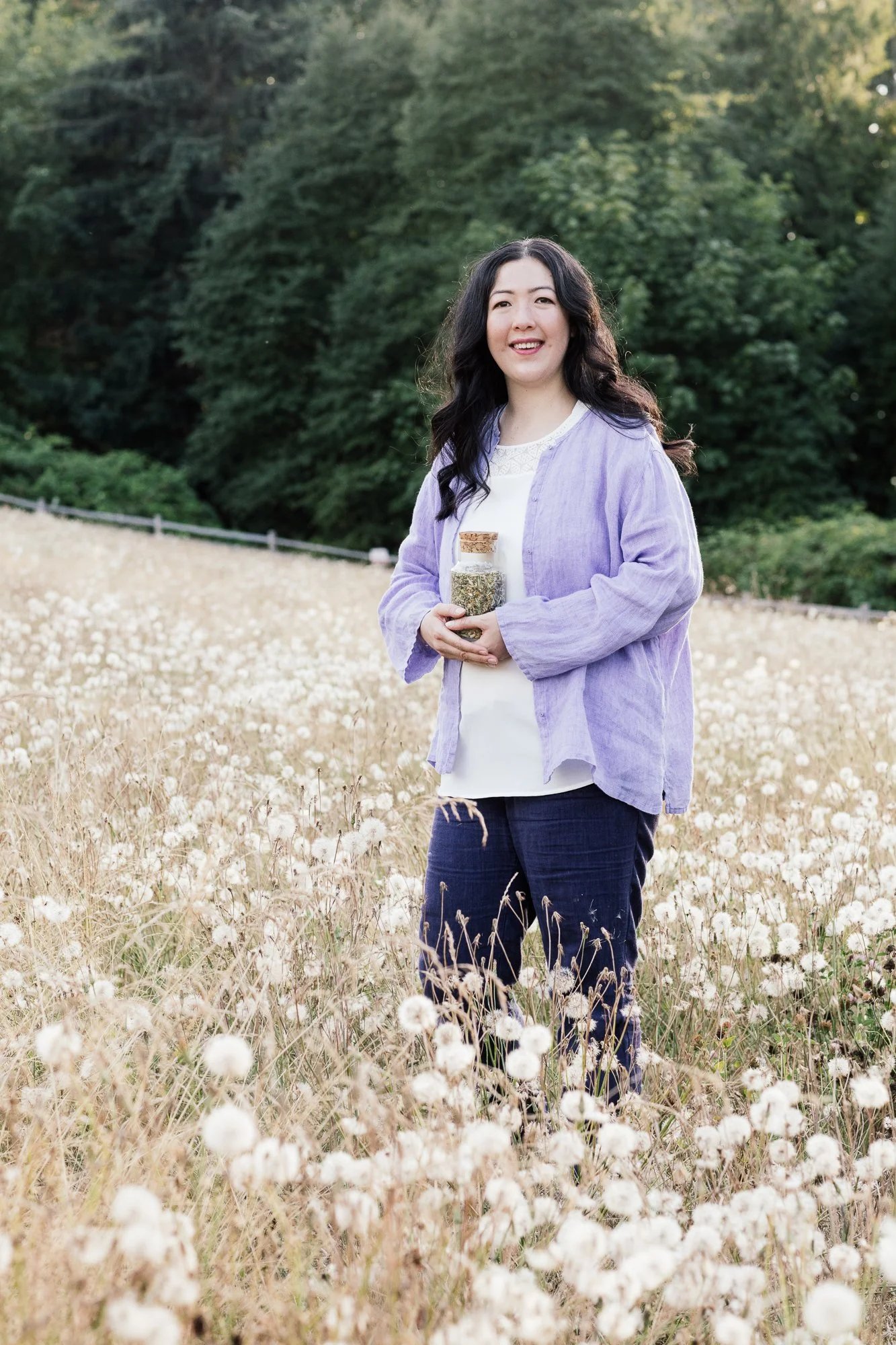
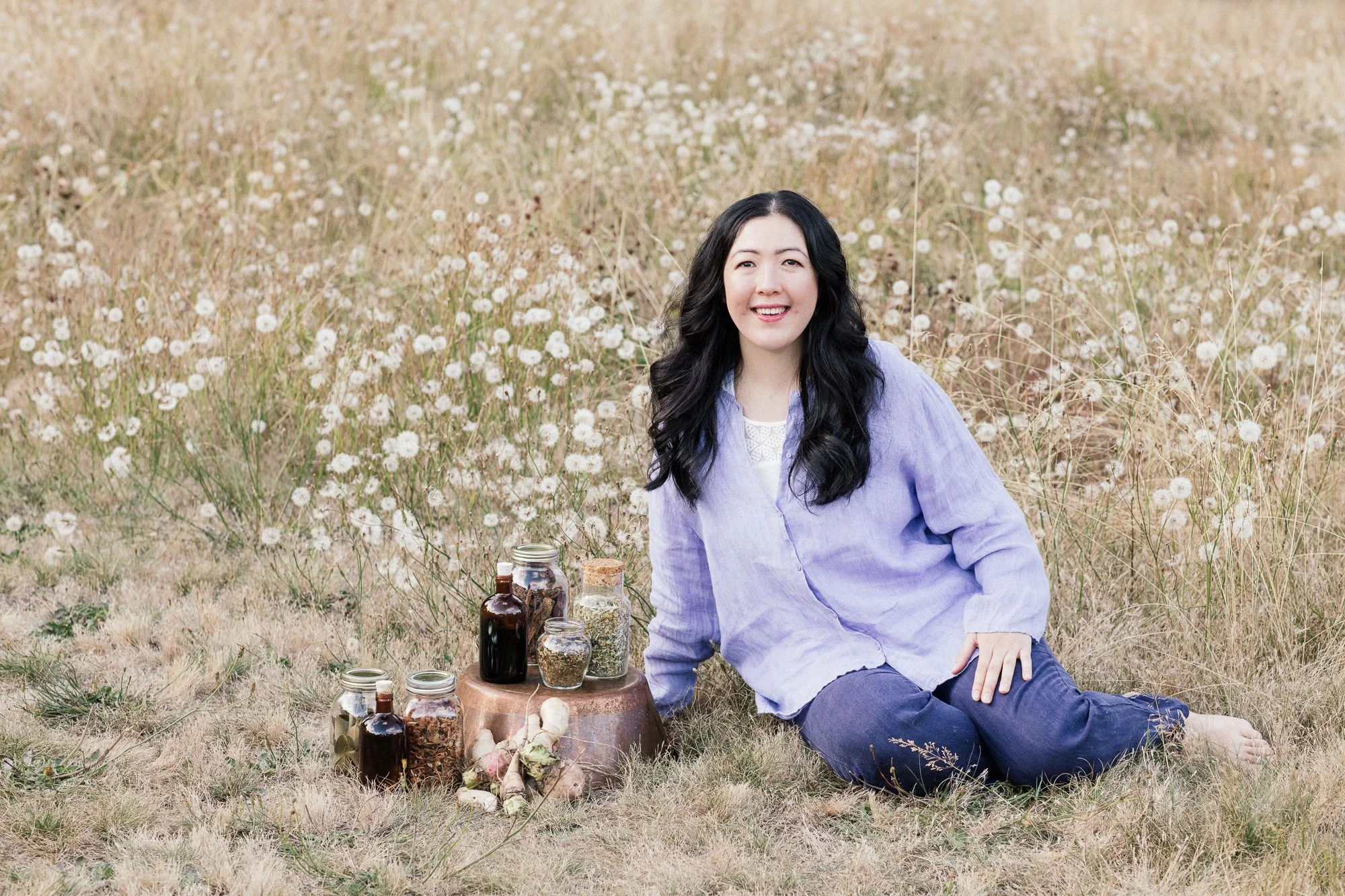
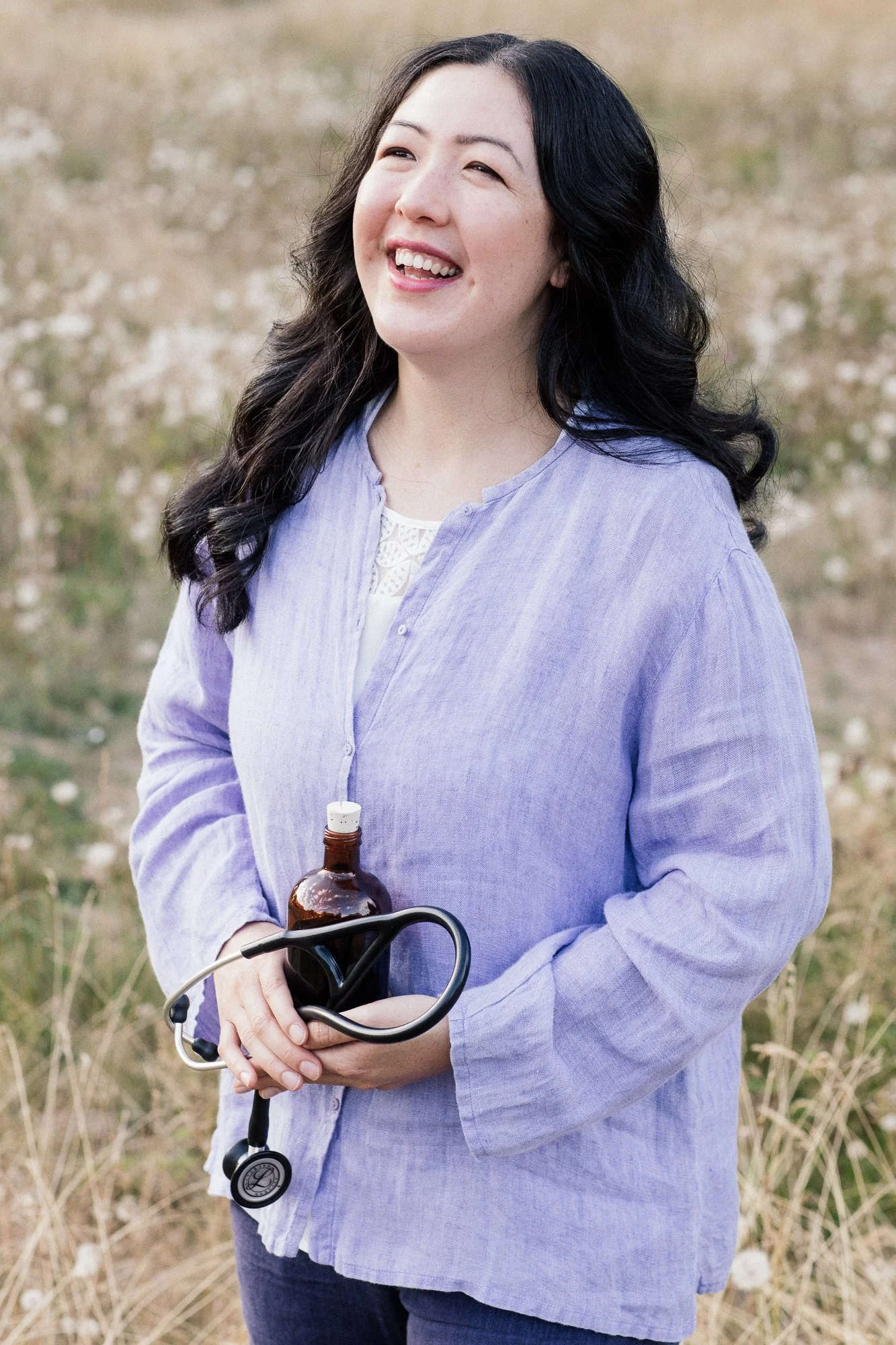
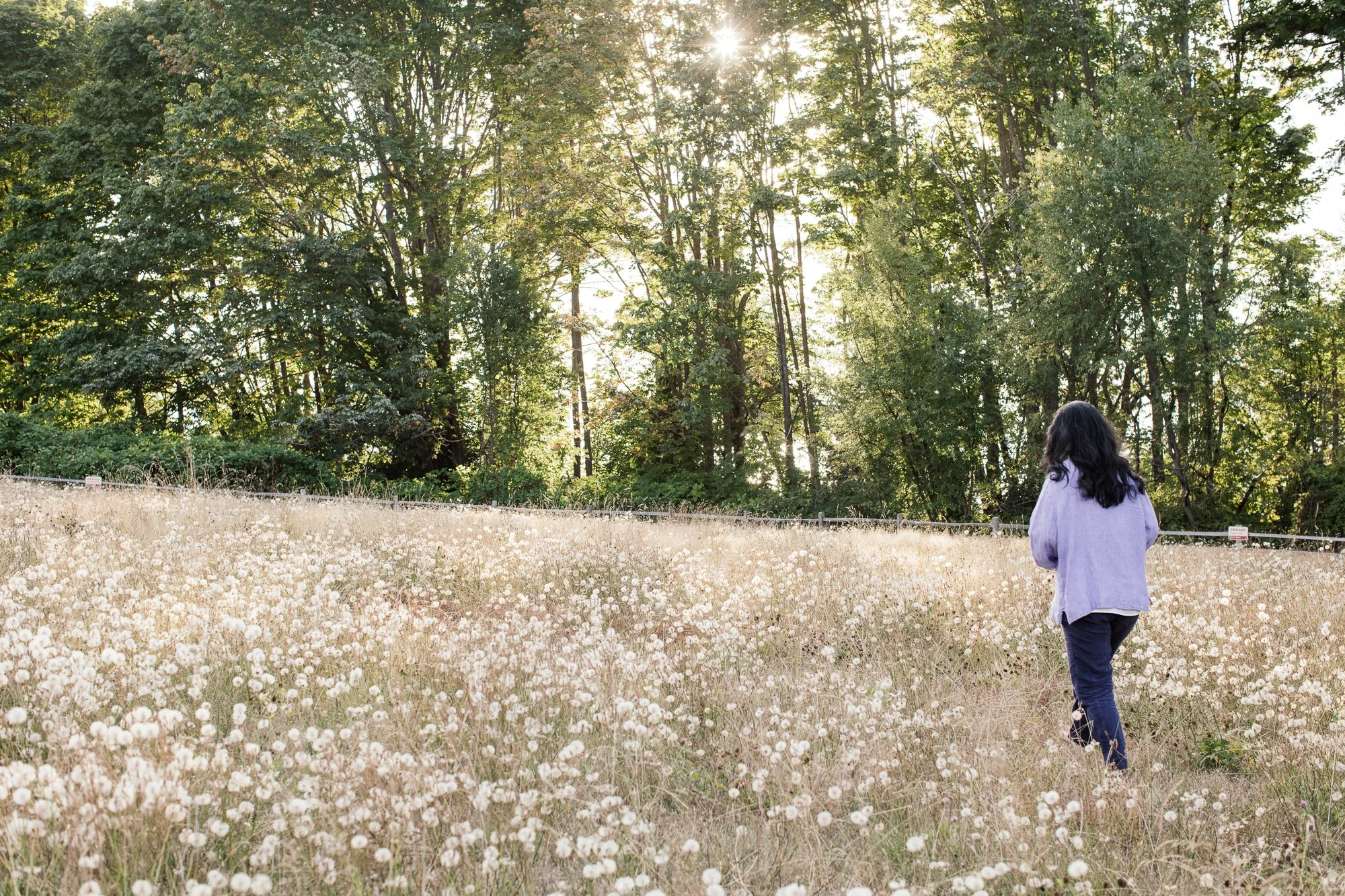
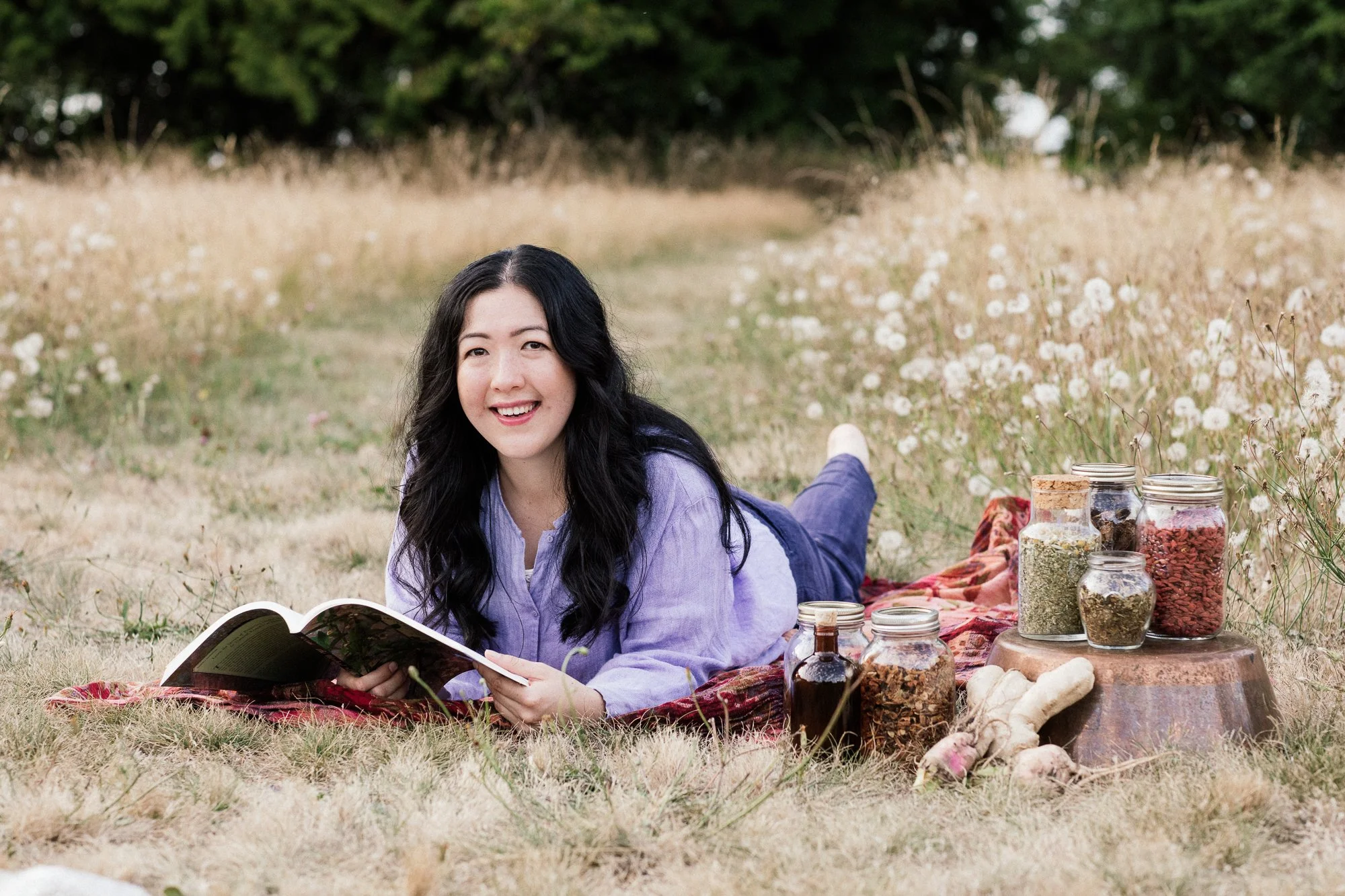
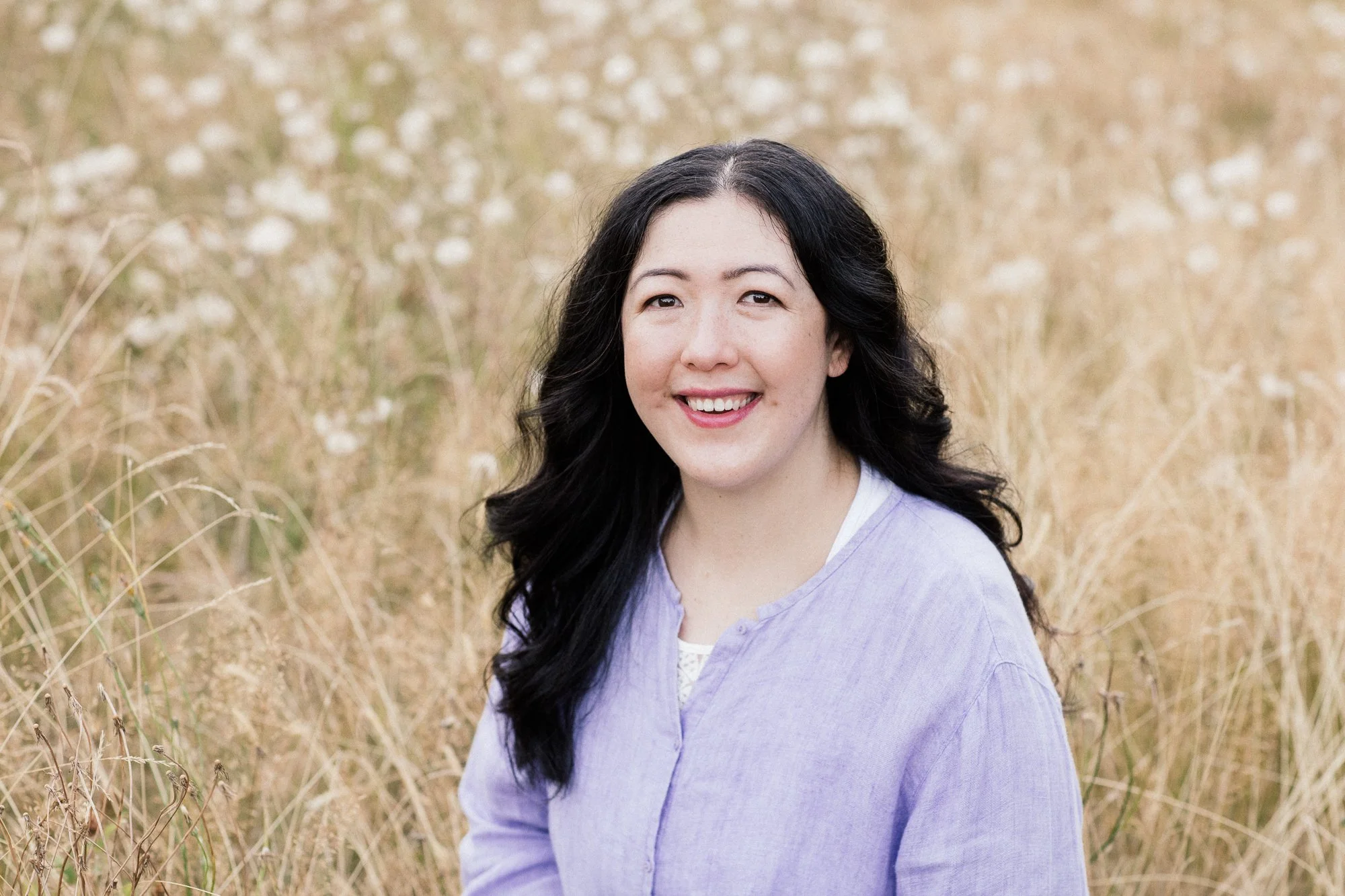
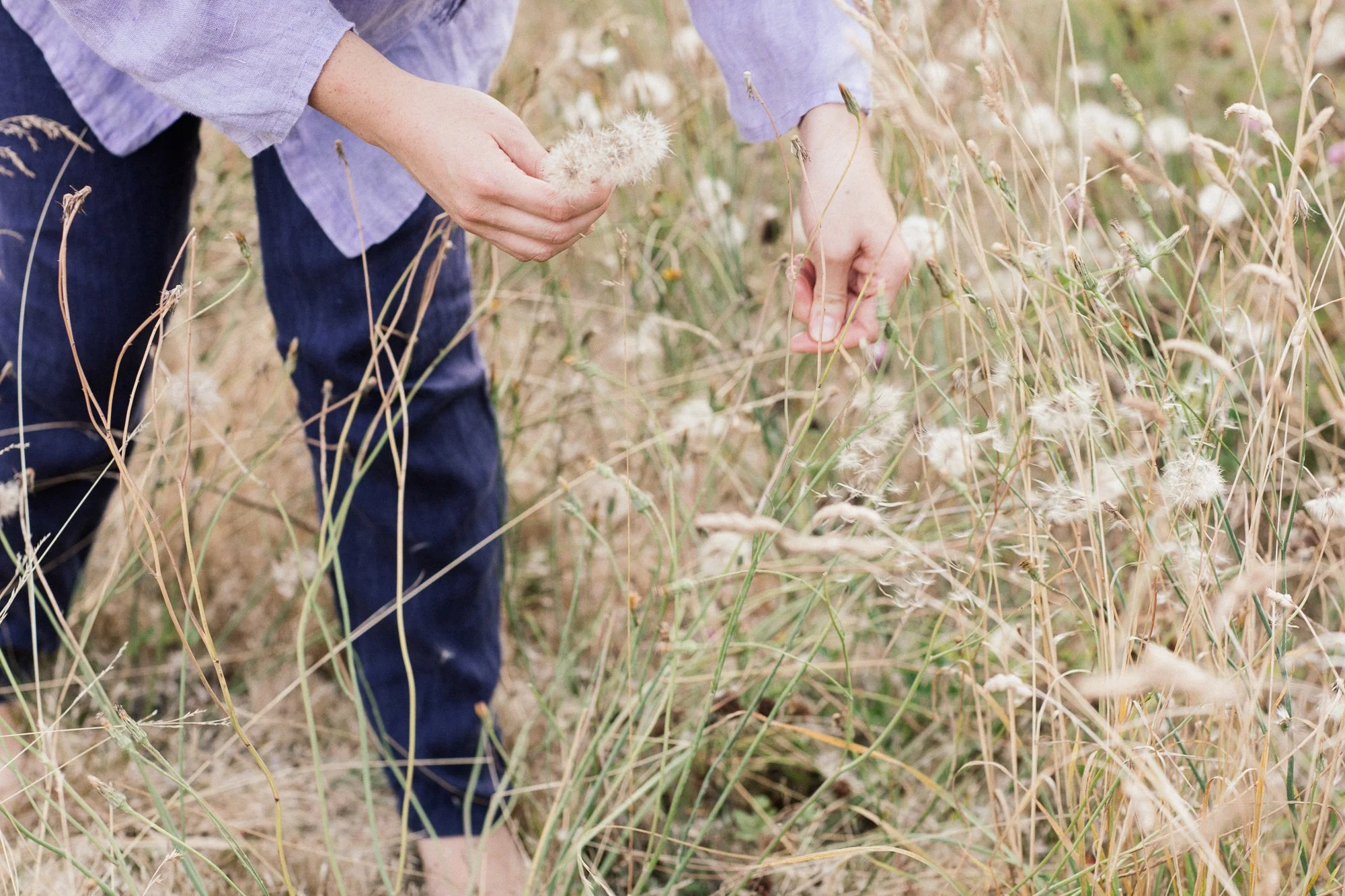
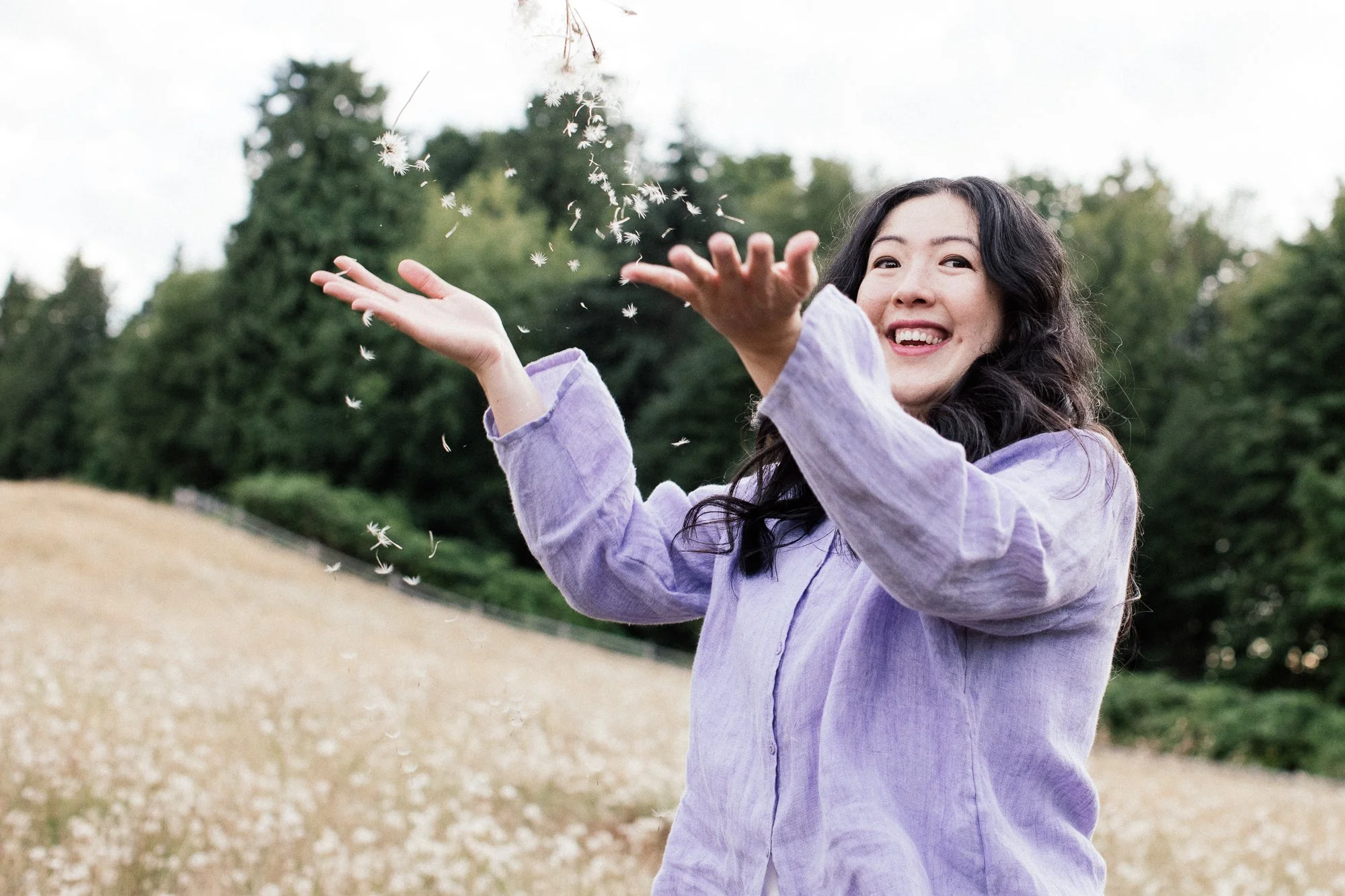
Below is a photoshoot of naturopath Dr. Katie https://www.northislandsnd.com
Build a Library of Content, Not Just a Few Photos
Many businesses approach photography with a short-term mindset, booking a shoot only when they need a few images for a website update. If you’re investing the time and budget into a professional photoshoot, it makes sense to choose a package that offers broader coverage—giving you a larger, more versatile collection of images you can use across your website, social media platforms, and broader marketing efforts.
A smarter strategy is to create a comprehensive content library.
During a branding session, consider capturing:
Website hero images
Social media content
Team portraits
Lifestyle imagery
Product photography
Behind-the-scenes content
Marketing materials
Email campaign assets
Press and media images
One well-planned shoot can provide months of content and ensure consistency across every customer touchpoint.




Personal Branding Is Becoming Essential
Consumers increasingly want to know who they're buying from.
For coaches, practitioners, founders, and wellness entrepreneurs, personal branding photography is no longer optional. People connect with people. Showing your personality, expertise, and approach helps build trust before the first consultation, phone call, or purchase. Whether you're leading a workout, preparing a healthy meal, working with clients, or simply sharing moments from your day, personal branding images help humanize your business and create stronger relationships with your audience.
Consistency Builds Trust
One of the hallmarks of successful wellness brands is visual consistency. When your website, social media, email marketing, and advertising all share a cohesive visual style, your brand becomes instantly recognizable.
Consistent photography helps create:
Stronger brand recognition
Increased trust
More professional marketing materials
Better customer experience
Higher perceived value
The brands that stand out in 2026 aren't necessarily the loudest. They're often the most consistent.
Invest in Images That Reflect Your Brand's Value
Wellness is built on trust, connection, and transformation. Your photography should reflect those same qualities. Professional brand photography isn't just about creating beautiful images. It's about telling your story, communicating your values, and helping potential customers understand what makes your brand different. As competition continues to grow in the wellness industry, authentic and strategic visual storytelling will be one of the most powerful ways to stand out. The brands that invest in meaningful imagery today will be the brands that build stronger connections, attract better clients, and grow more effectively tomorrow. If you're ready to elevate your wellness brand with authentic lifestyle and branding photography, I'd love to help you create imagery that reflects the heart of your business and connects with the people you're trying to reach.

Why Your Smart Phone is Not A Substitute for a Professional Headshot
Why your smart phone does not replace a professional headshot.
Why a Professional Headshot Still Matters in 2026 (And Why Your Phone Can't Replace One)
We live in a world where nearly everyone carries a camera in their pocket. Today's smartphones are capable of producing impressive images, and for everyday moments they are often more than sufficient. However, when it comes to creating a professional headshot that represents your business, your career, and your personal brand, there is still no substitute for working with an experienced professional photographer.
Your headshot is often your first introduction to potential clients, employers, colleagues, and business partners. Before someone reads your resume, reviews your portfolio, or speaks with you on the phone, they are likely forming an opinion based on your photograph.
The question isn't whether a phone can take a picture.
The question is whether it can create the right impression.
Your Headshot Is More Than Just a Photo
A professional headshot is one of the most important marketing tools you have.
It appears on:
LinkedIn profiles
Company websites
Business cards
Speaking engagements
Social media platforms
Marketing materials
Press features and publications
A strong headshot communicates confidence, credibility, professionalism, and approachability. It helps establish trust before a conversation even begins.
When someone is deciding whether to work with you, trust matters. A polished, professional image signals that you take your business seriously.
Why Professional Lighting Makes All the Difference
One of the biggest misconceptions about photography is that the camera creates the image.
In reality, lighting creates the image.
Professional photographers spend years learning how to shape and control light to flatter different face shapes, skin tones, and features.
Good lighting can:
Define facial structure
Minimize distractions
Create dimension and depth
Highlight your eyes
Produce natural-looking skin tones
Poor lighting, on the other hand, can create unflattering shadows, emphasize imperfections, and make even the most confident person appear tired or uncomfortable.
A smartphone simply cannot replicate the precision and control of professional lighting equipment and expertise.
Posing Is a Skill Most People Underestimate
One of the most common comments I hear from clients is:
"I'm not photogenic."
The truth is that most people simply haven't been guided properly in front of the camera.
Professional headshots are not about standing still and smiling. Small adjustments in posture, body position, head angle, and expression can completely transform an image.
An experienced photographer understands how to:
Create confidence through body language
Capture authentic expressions
Position subjects naturally
Avoid awkward poses
Bring out personality
A phone can take a photograph.
It cannot coach you through the process.
Professional Retouching Creates a Polished Finish
Professional headshots are refined through careful editing and retouching.
The goal isn't to make someone look different.
The goal is to help them look their best.
Professional retouching can:
Reduce temporary blemishes
Even out skin tones
Remove distractions
Refine color and contrast
Maintain a natural appearance
When done properly, the result feels polished and professional without looking overly edited.
Personal Branding Requires Strategy
In today's competitive marketplace, a headshot is often part of a larger personal branding strategy.
The most effective images communicate:
Who you are
What you do
Your level of professionalism
The clients you want to attract
This requires planning.
Before every session, I work with clients to determine:
How the images will be used
Who their audience is
What message they want to communicate
Which style best supports their brand
Why Investing in Professional Photography Pays Off
Whether you're an entrepreneur, realtor, executive, consultant, or business owner, your image directly influences how people perceive your brand. Professional photography is one of the few marketing investments that can be used across virtually every platform for years.
A strong headshot can help:
Build trust
Improve first impressions
Strengthen your personal brand
Increase engagement online
Create consistency across marketing channels
In many cases, it becomes one of the most valuable assets in your marketing toolkit.
Smartphones have changed photography forever, and they are incredible tools for everyday use. But when your professional reputation, personal brand, and business are on the line, there is still a significant difference between taking a photo and creating an image that works for you.
A professional headshot combines strategic planning, expert lighting, posing, retouching, and experience to create a photograph that communicates confidence, credibility, and professionalism.
In a world where first impressions happen online, that investment can make all the difference.
If you're ready to elevate your personal brand with professional headshots or personal branding photography in Vancouver, I'd love to help create images that represent you and your business at the highest level.
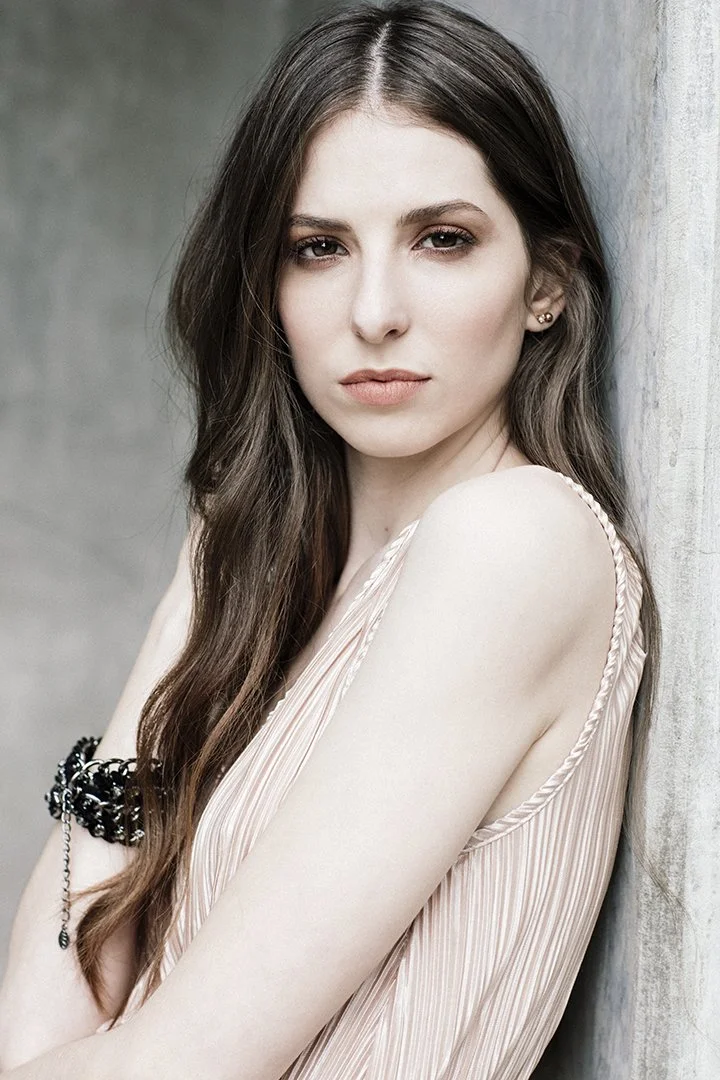
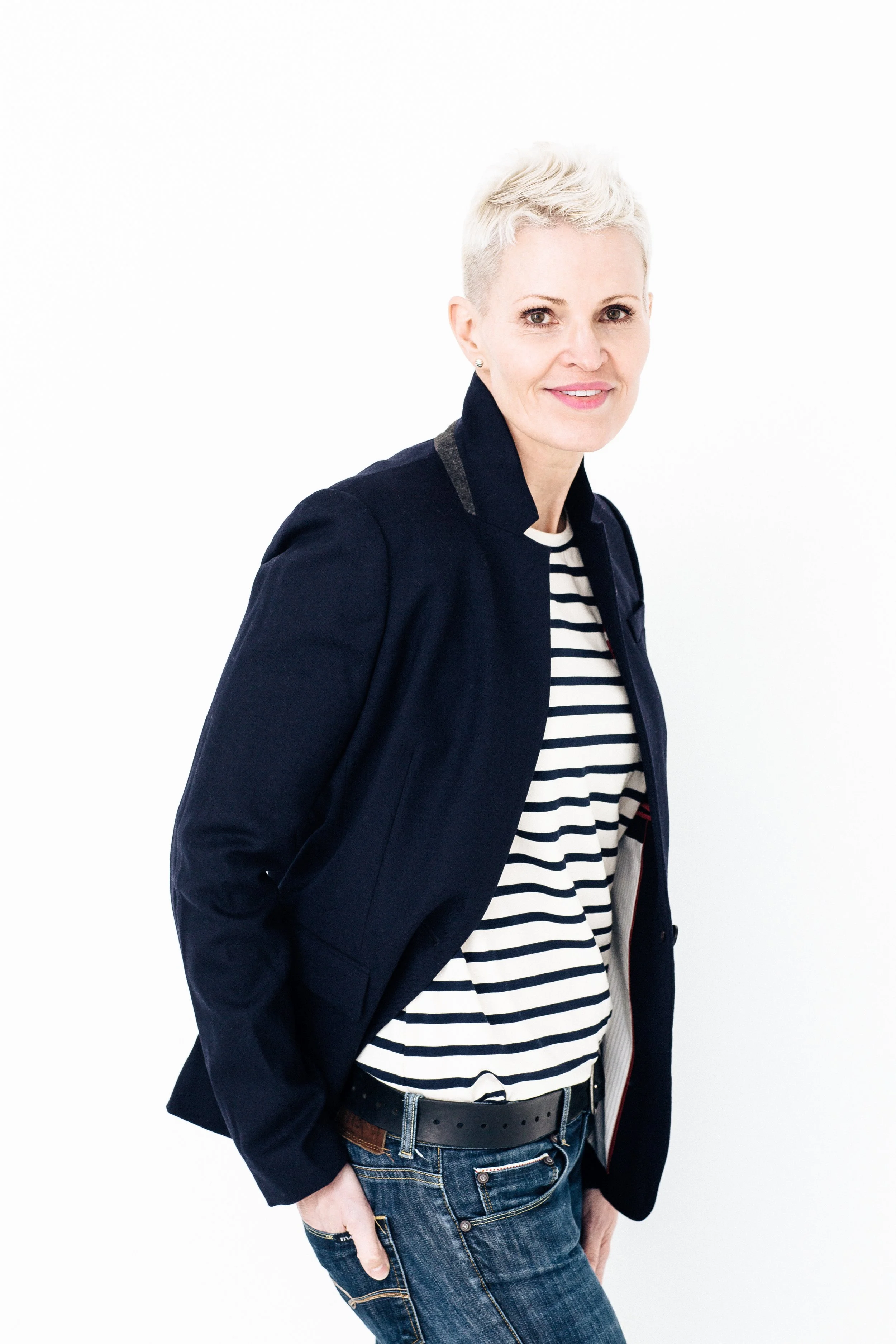
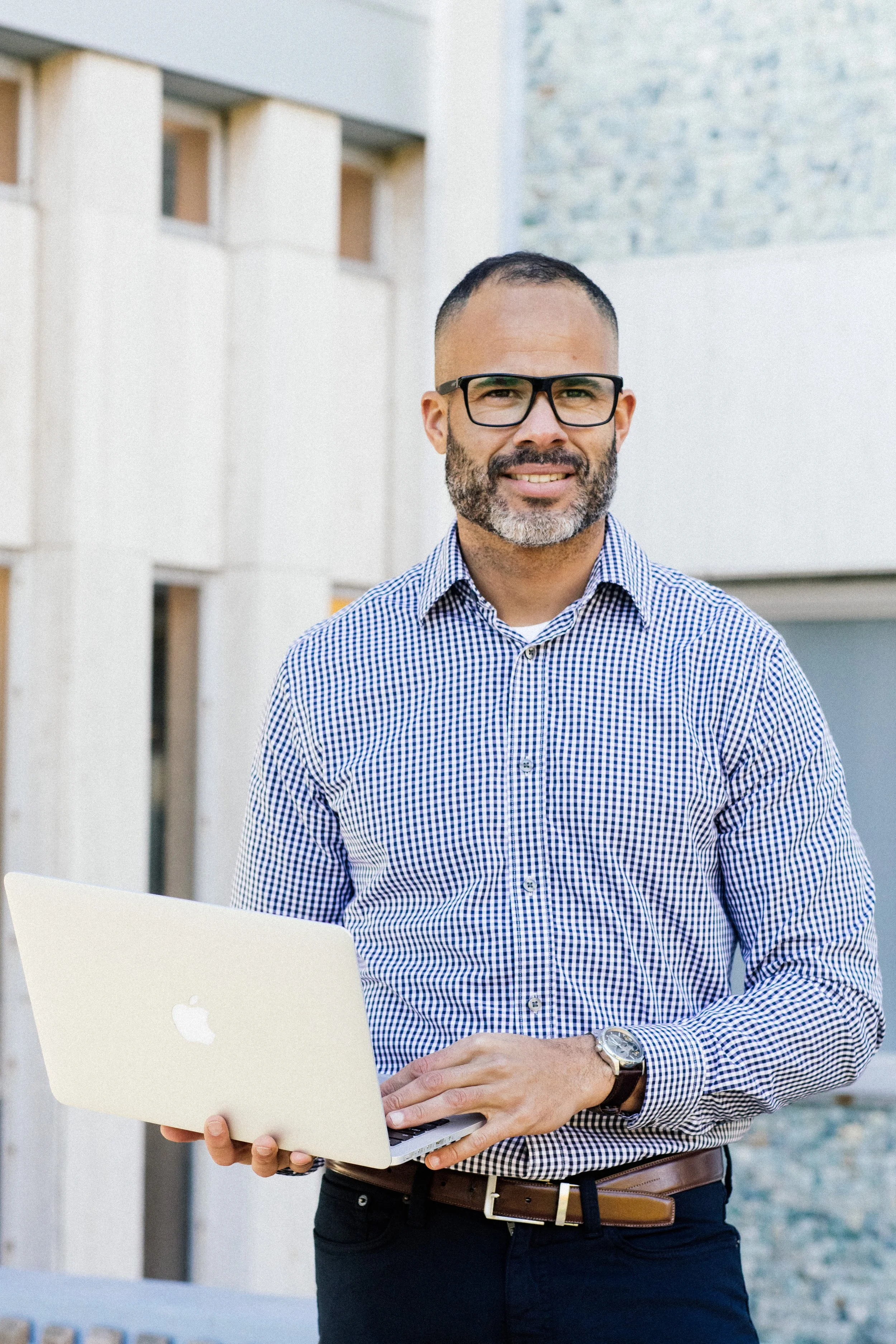
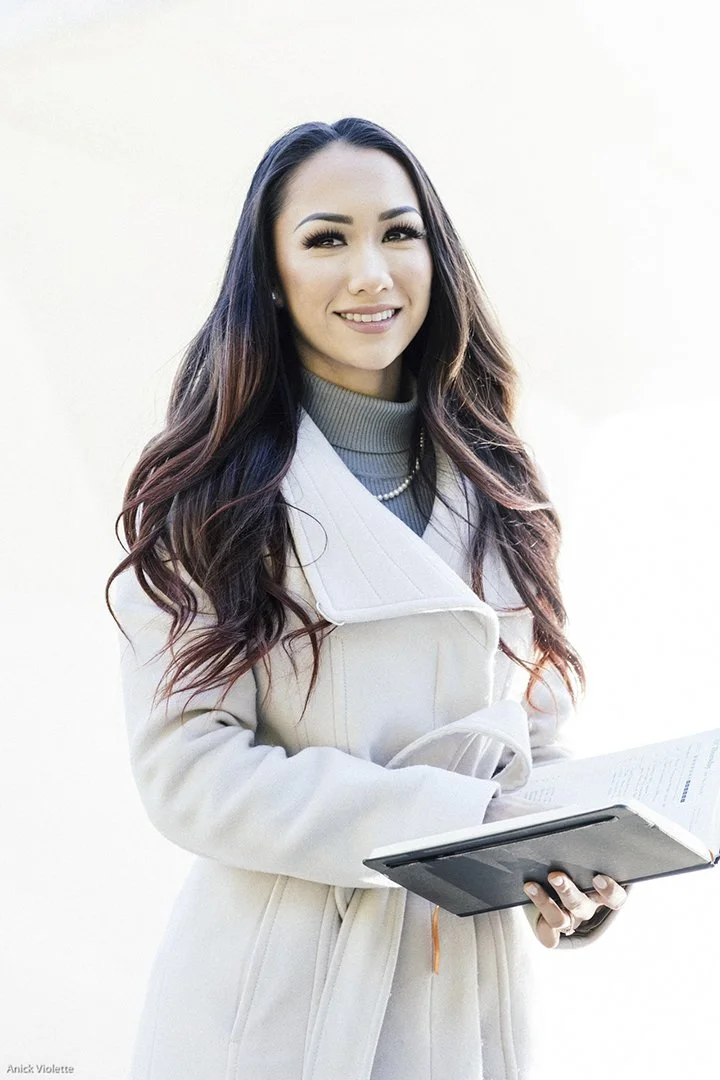



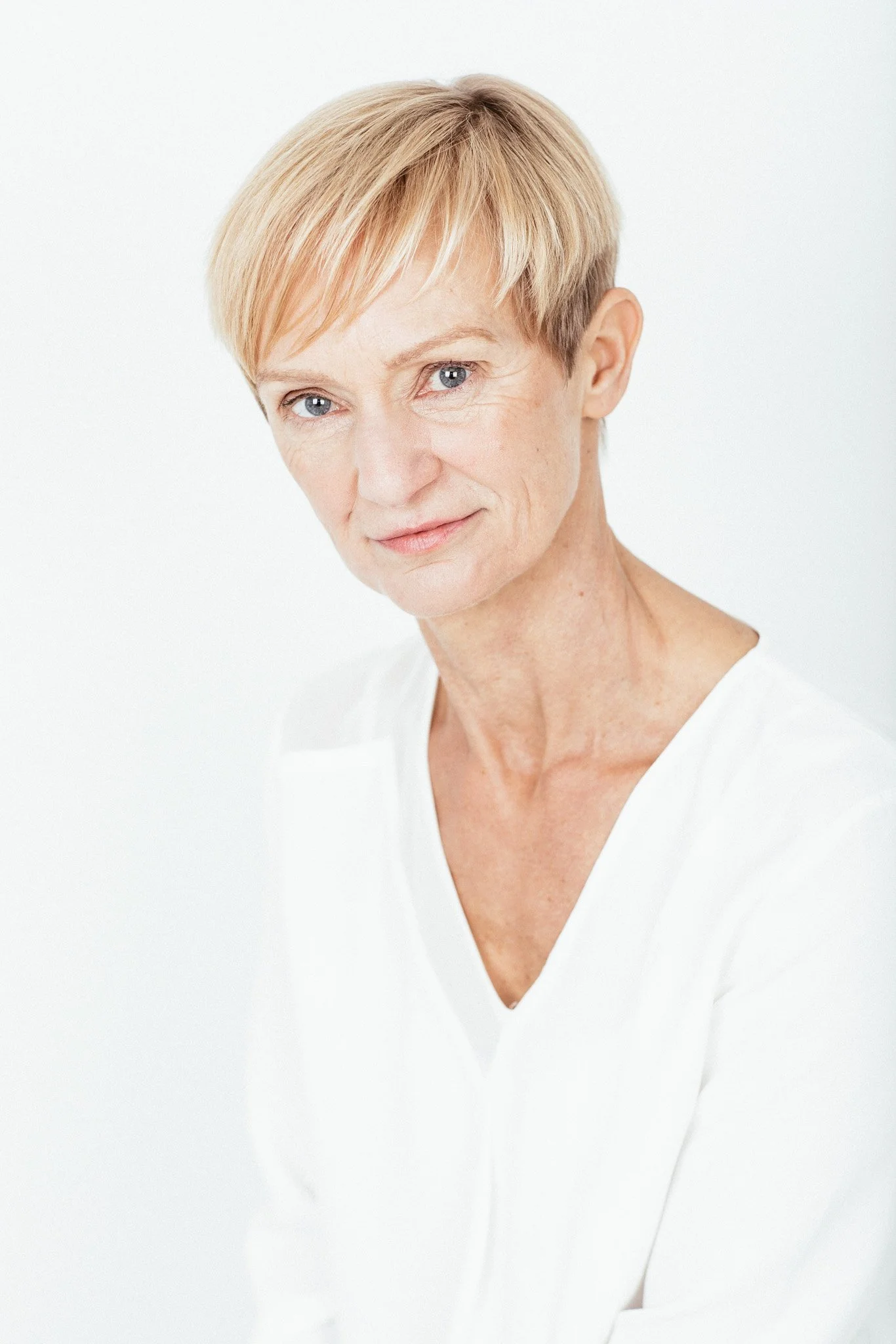


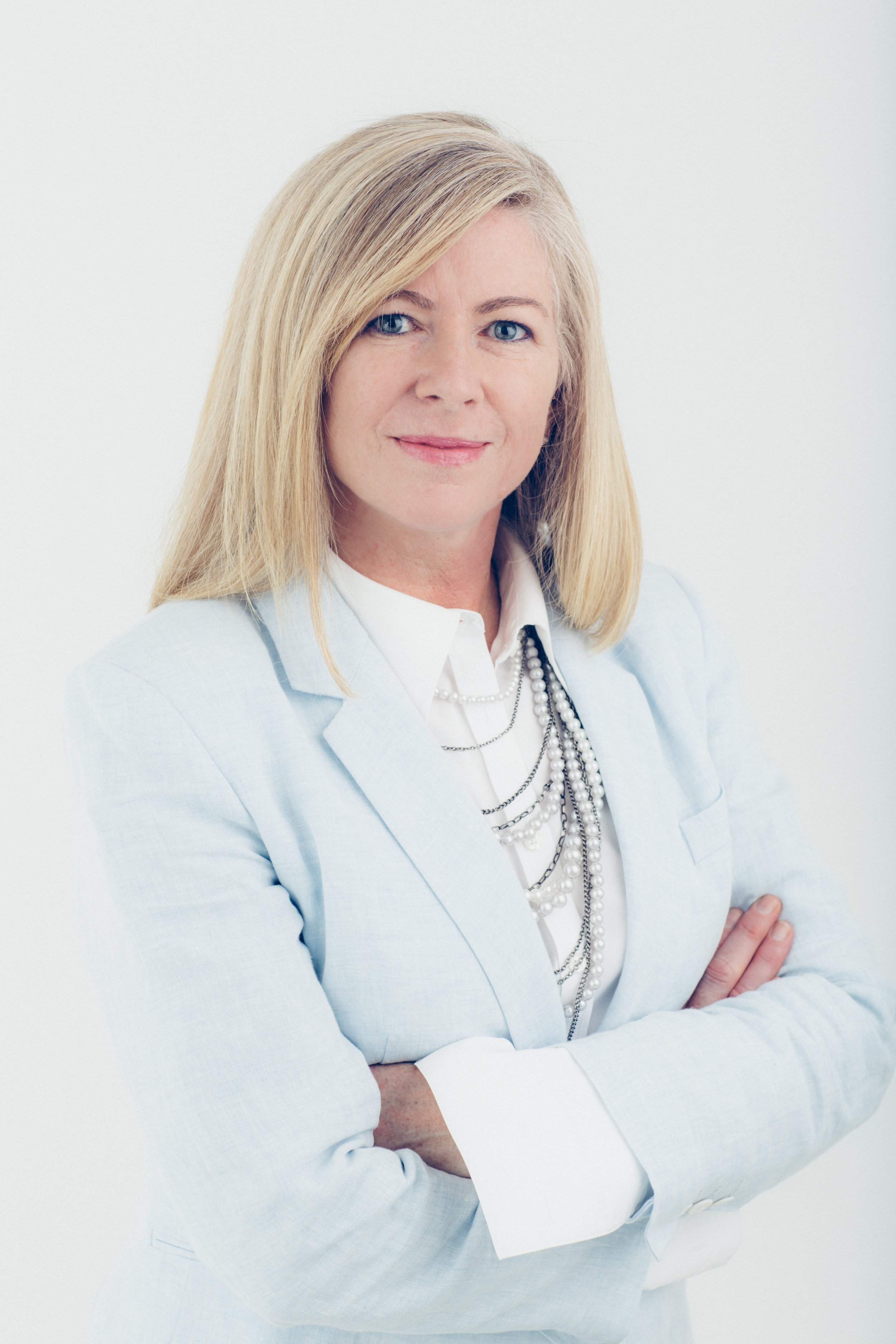

Regularly $375 • Limited-Time Rate $275
Offer ends June 15th
Why personal branding matters in 2026.
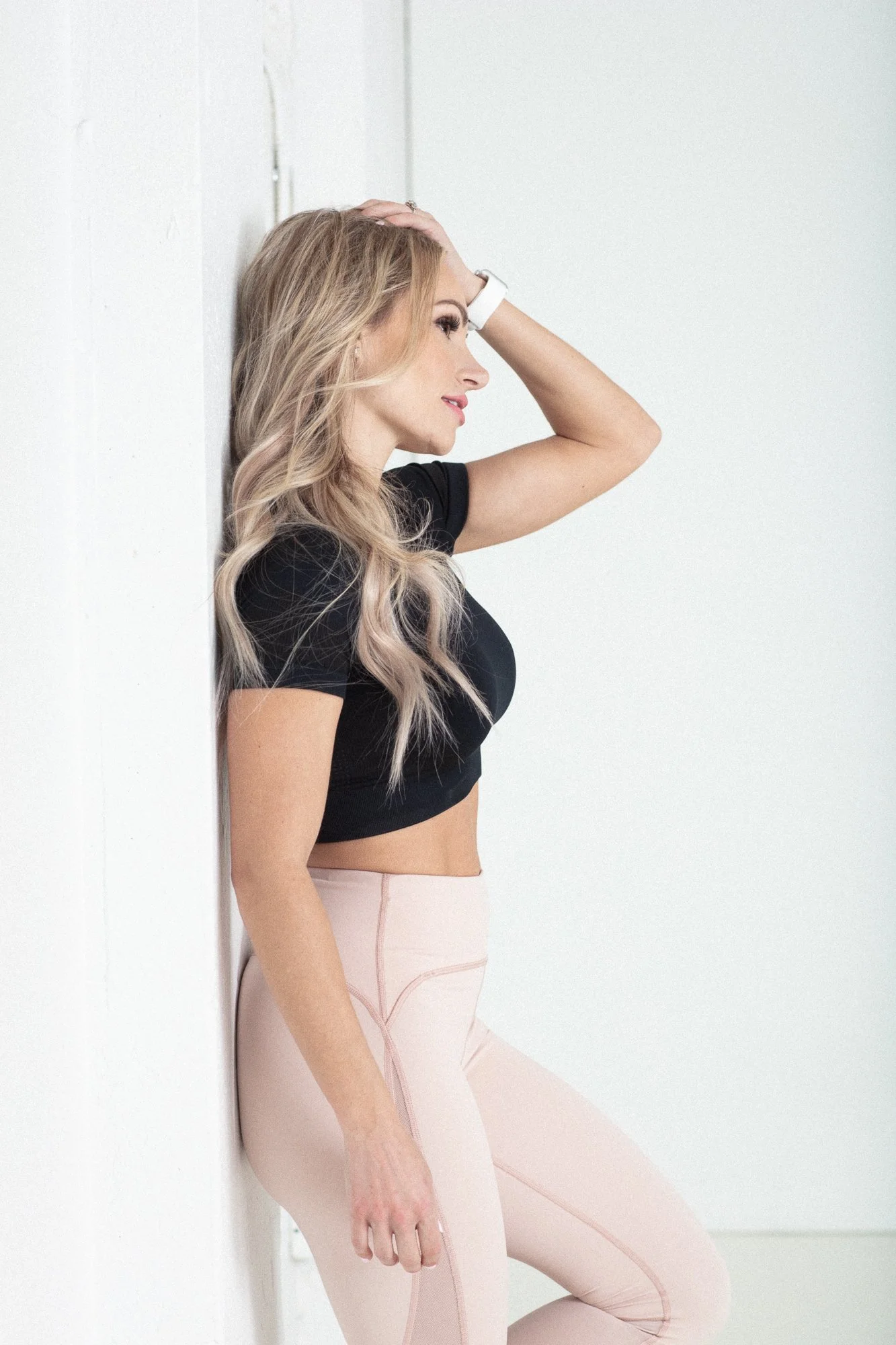
What is personal branding and the importance of good images.
Personal branding photography is more than just a collection of professional headshots. It is a strategic set of images designed to communicate who you are, what you do, and why people should trust you — before they ever meet you.
In 2026, where most first impressions happen online, your visuals are often your first conversation with a potential client, employer, or collaborator.
That makes personal branding photography one of the most important tools for professionals, entrepreneurs, and service-based businesses today.
Our Approach to Personal Branding Photography
I start with getting my clients to provide me with a vision board, ideally a Pinterest page to get a clear idea of their vision and what they are looking to achieve with their personal branding photoshoot. I follow up with a phone call consultation to talk about locations, wardrobe, makeup and hair if needed and any other details we need to cover. The idea is to come to the photoshoot with a concise plan and shot list to execute and creates a library of images you can use across your digital presence.
Unlike traditional headshots (which are usually one or two formal portraits), branding photography includes:
Professional portraits (formal and casual)
Lifestyle imagery
Working/action shots
Environmental portraits (your space or chosen location)
Detail shots (tools, workspace, brand elements)
The goal is to visually communicate your personality, professionalism, and positioning.
It answers questions like:
What do you do?
Who do you help?
What’s your energy and style?
Why should someone trust you?