How to Prepare for a Successful Corporate Photography Session
How to Get the Most Out of Your Corporate Headshot & Team Photography Session
Your team photos and professional headshots are often one of the first things potential clients see when they visit your website, LinkedIn profile, social media, or marketing materials. Great photography can instantly make your brand feel more professional, approachable, and cohesive.
Before you book your next photography session, here are a few things worth considering to make sure you get images that work well across all of your marketing.
1. Work With a Professional Photographer
Your photos represent your business, so they deserve the same level of attention as your website, logo, and other branding.
A professional photographer will bring the experience, lighting, equipment, posing direction, and editing skills needed to create consistent, polished images.
While today's phones take impressive photos, professional photography is about much more than camera resolution. Lighting, composition, expressions, consistency, and knowing how to make people feel comfortable in front of the camera all make a difference.
Before booking your photographer:
Look through their portfolio to make sure their style fits your brand.
Ask to see examples of corporate headshots and team photography.
Discuss how and where the images will be used.
Ask about what is included in the session fee.
Understand how many final images you will receive and whether retouching is included.
Review the photographer's terms regarding copyright and image usage.
It's always better to have these conversations before the session rather than discovering additional costs or restrictions afterward.
2. Think About Your Background
For corporate headshots, a simple background gives you the most flexibility.
A clean white or light-coloured background works particularly well for websites, LinkedIn profiles, brochures, presentations, and other marketing materials. It also makes it easier for a designer to crop or manipulate the images later.
If your company has specific branding requirements, discuss those with your photographer before the shoot.
Keep in mind:
Light, neutral backgrounds are generally the most versatile.
Avoid busy offices, desks, artwork, signage, or distracting backgrounds unless they are intentionally part of the brand image.
Avoid very dark or strongly coloured backdrops unless they fit your visual identity.
If you need both traditional headshots and more environmental images, consider doing both during the same session.
Your photographer can help determine which approach will give you the most usable images.
3. Plan Your Individual Headshots
The goal of a professional headshot isn't simply to look "good." It should look like you on your best day—professional, approachable, confident, and natural.
Your photographer should give you direction throughout the session so you don't have to figure out what to do in front of the camera.
For individual headshots:
Wear something that feels professional and comfortable.
Keep clothing relatively simple if the images will be used across different marketing materials.
Bring a couple of options if you're unsure what will photograph best.
Take several variations of your expression and pose.
Keep the framing consistent across your team.
Consider taking both smiling and more neutral expressions.


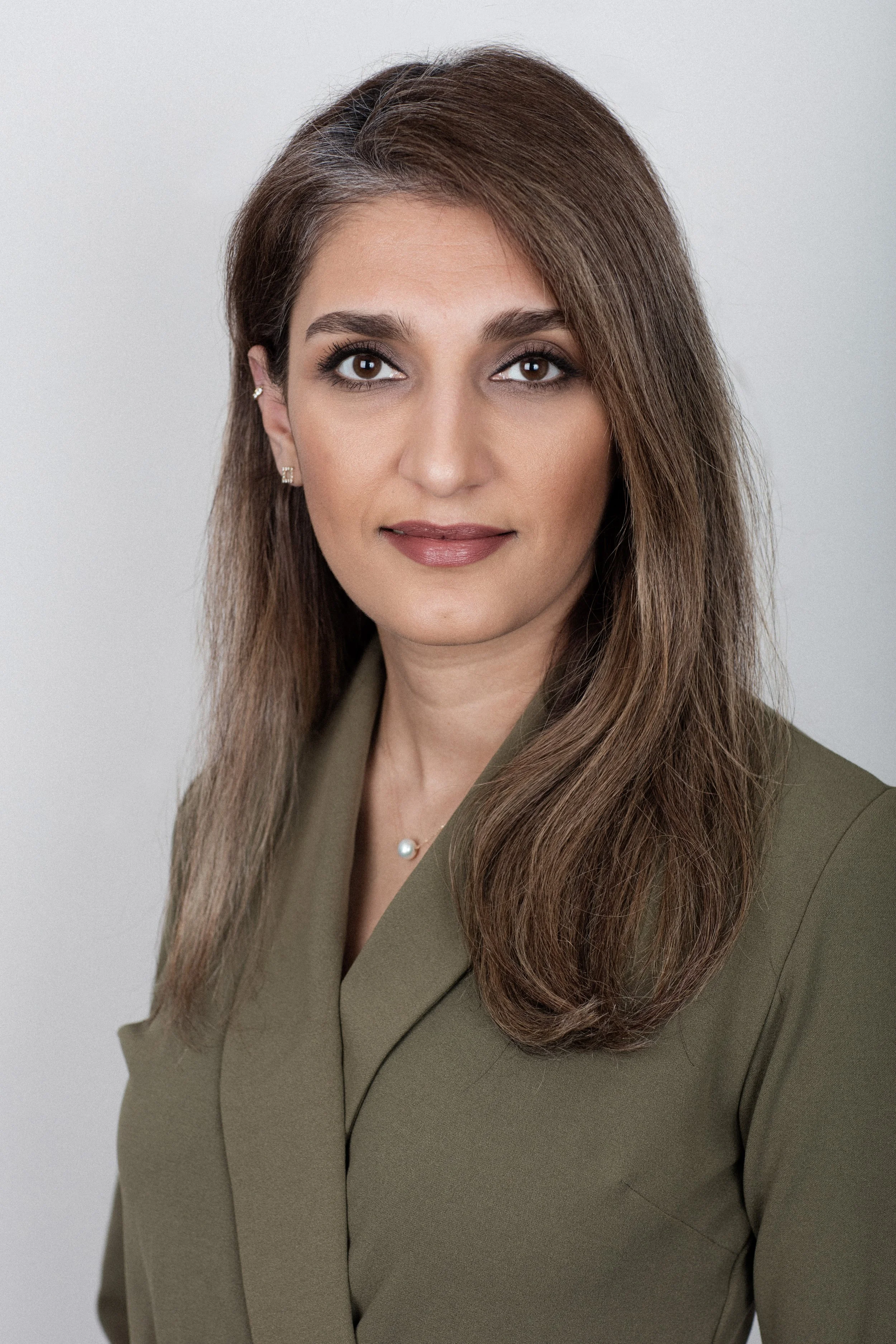


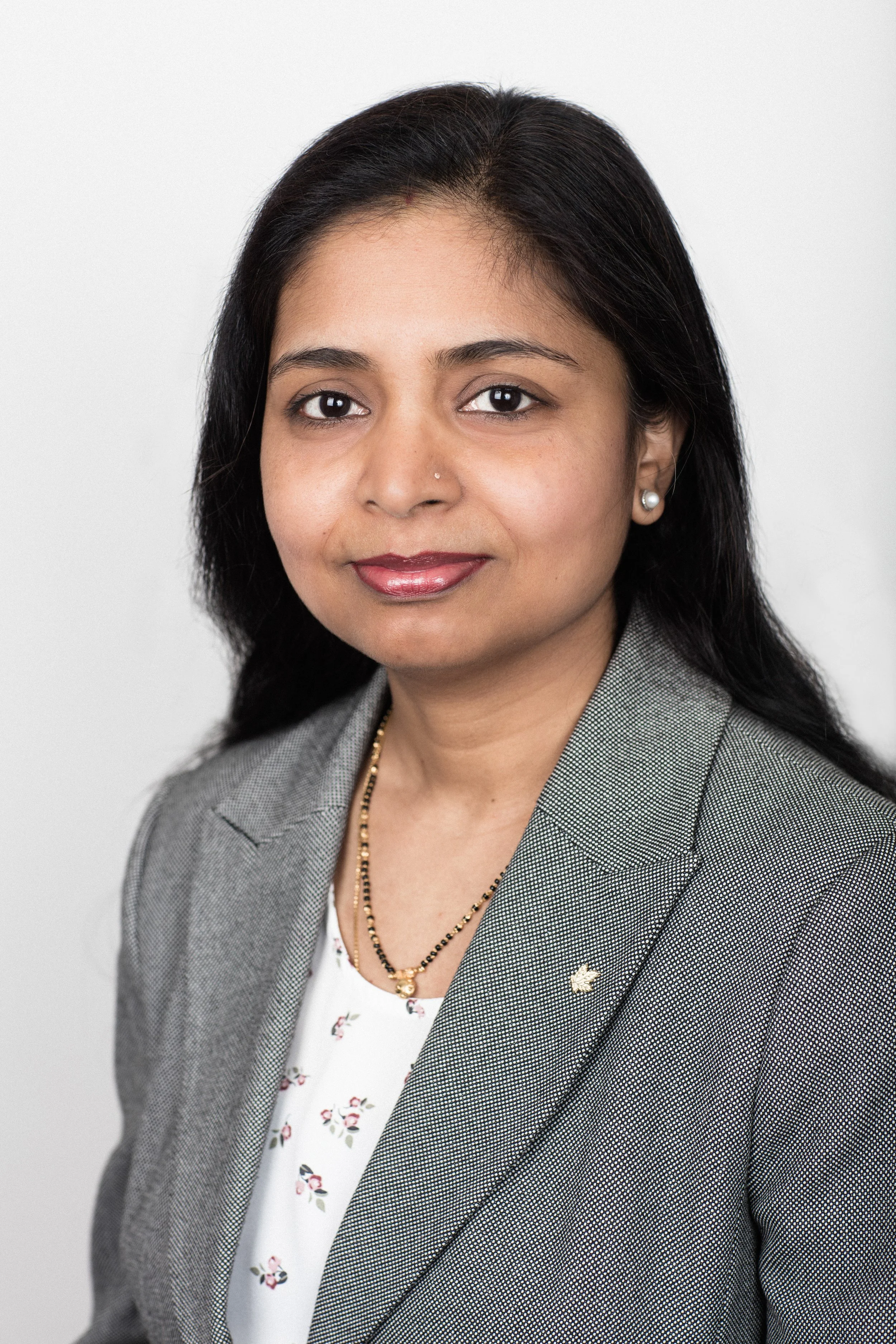
A good photographer will create a variety of options so you have images to choose from rather than relying on one photograph.
4. Make Your Team Photos Look Cohesive
When photographing a team, consistency is important.
You want the images to look like they belong together, particularly if they will appear side-by-side on your website or in a brochure.
Try to keep:
Similar framing and crop
Consistent lighting
Similar background
Similar distance from the camera
Individuals positioned at approximately the same visual height
For a larger group, arranging people in multiple rows can create a more natural composition than trying to fit everyone into a single straight line.
For website banners, horizontal images are often particularly useful because they provide space for text, logos, or other design elements.
5. Think About Where the Images Will Be Used
Before your shoot, think beyond your LinkedIn profile.
Will the images be used for:
Your website
LinkedIn
Social media
Email signatures
Business cards
Brochures
Press releases
Advertising
Presentations
Annual reports
Team pages
Recruitment
Knowing this ahead of time allows your photographer to create images in different orientations and compositions.
For example, a horizontal image with negative space can be extremely useful for a website banner, while a tighter vertical crop may work better for an individual profile.
6. Don't Forget About Usage Rights
One of the most important—and often overlooked—parts of professional photography is understanding how you can use your images.
Before your session, ask your photographer:
What exactly is included in the usage rights?
Make sure you understand whether your images can be used for your website, social media, advertising, print materials, internal communications, and other marketing purposes.
Also clarify whether you receive high-resolution files and whether there are additional fees for future usage or additional images.
Having this conversation upfront gives you peace of mind and avoids surprises later.
7. Give Your Photographer Some Direction
The best corporate photography happens when the photographer understands your business.
Before the session, share your website, brand guidelines, examples of images you like, and information about how the photos will be used.
Tell your photographer what you want people to feel when they see your team.
Do you want your company to feel:
Professional? Approachable? Creative? Established? Energetic? Sophisticated? Innovative?
These details can influence everything from lighting and background to posing and composition.
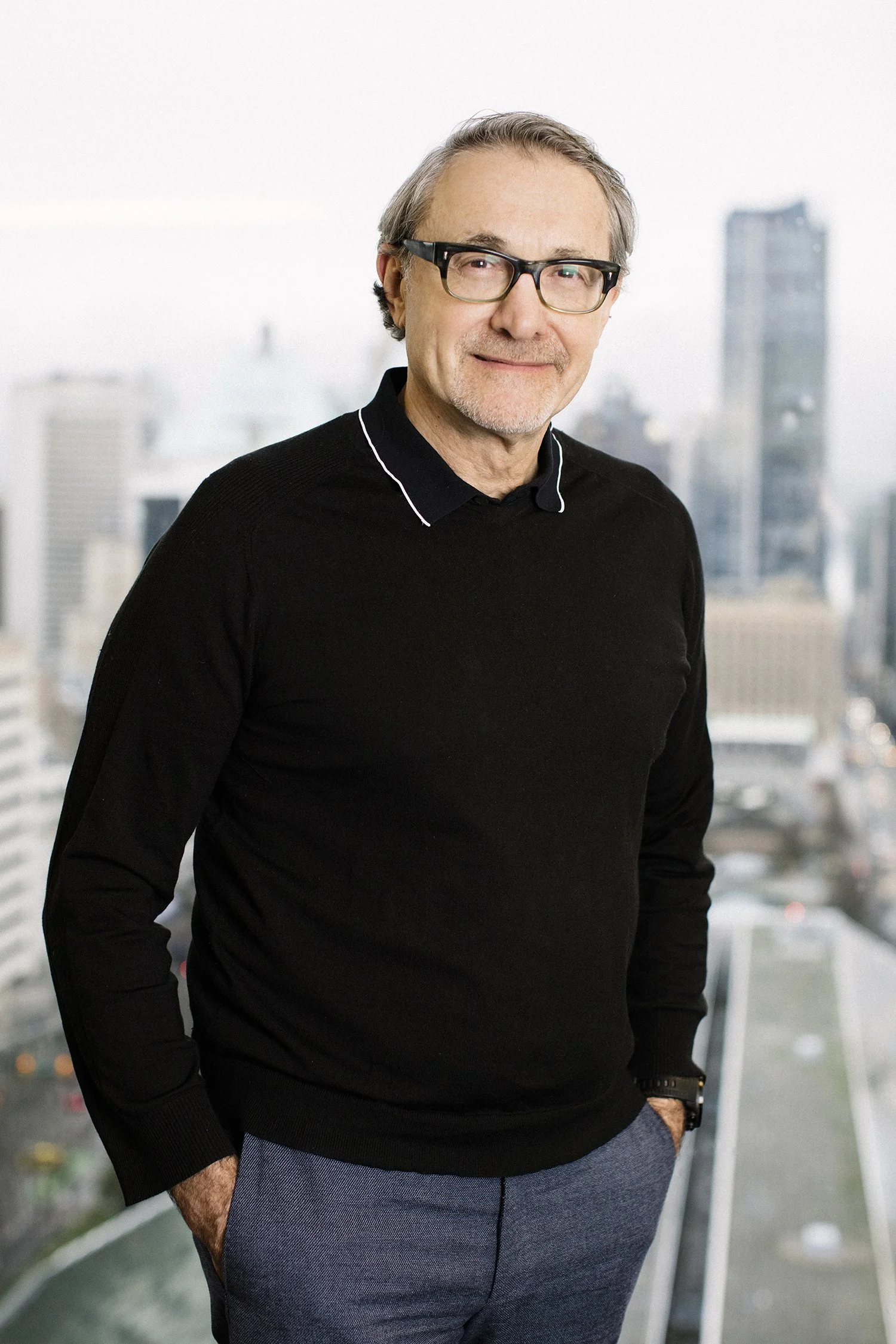
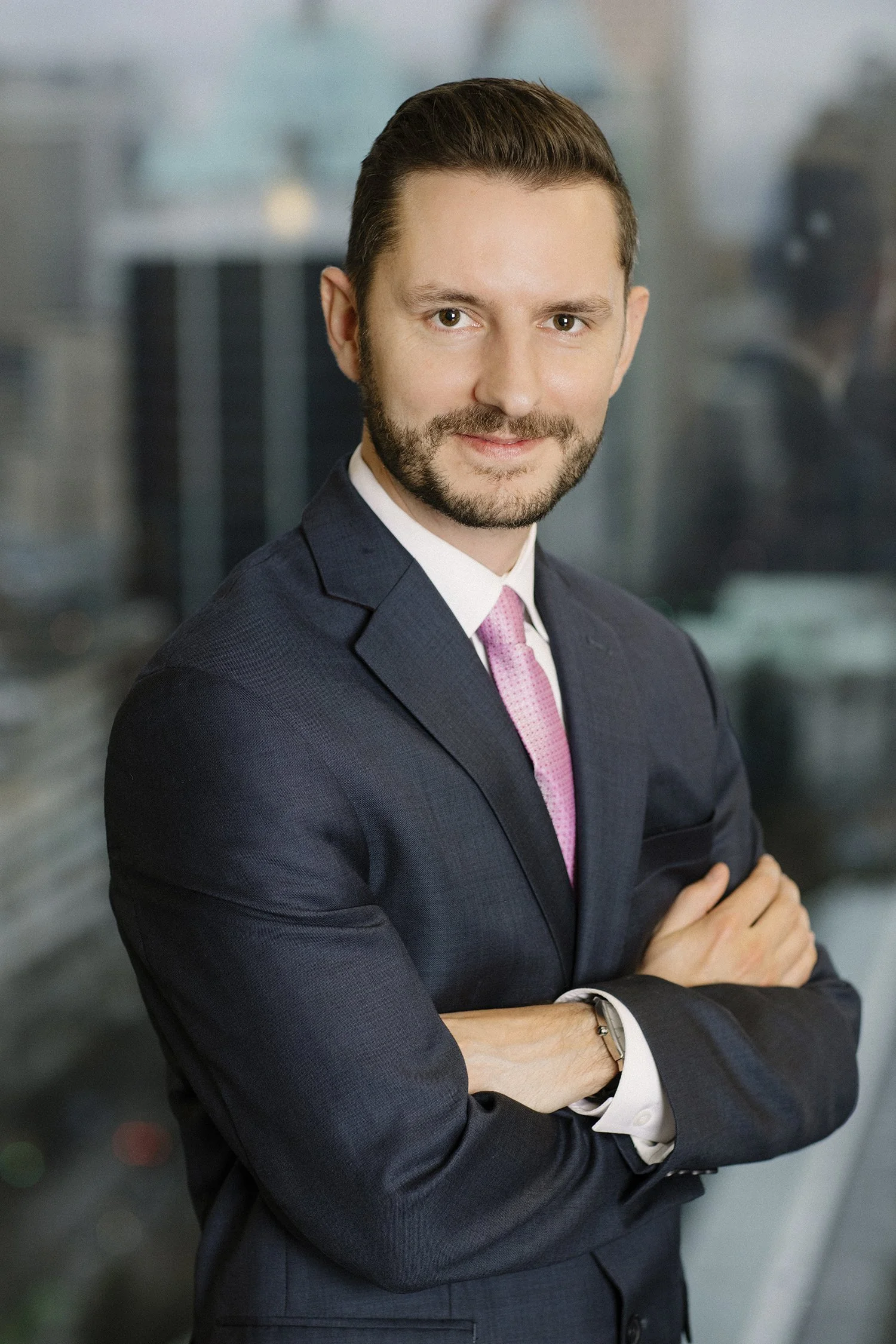
The Bottom Line
Professional team photography is an investment in your brand.
The goal isn't simply to get a collection of nice headshots. It's to create a library of versatile, consistent, professional images that you can actually use across your marketing.
With a little planning before the camera comes out, you can walk away with photographs that represent your team authentically and continue working for your business long after the photo session is over.
In a World of AI, Why Real Photography Matters More Than Ever for Your Brand
AI can create almost anything. That’s exactly why real images of real people, places and products are becoming more valuable.
We’re living in a time when almost any image can be created with a prompt.
A perfect lifestyle scene. A flawless portrait. A mountain landscape that never existed. A product photographed in a studio that was never there.
AI-generated imagery is changing the way brands create and use visual content—and there’s no question that it offers exciting possibilities.
But there’s an interesting paradox happening at the same time:
The easier it becomes to create an image, the more valuable a real image can become.
Why?
Because people aren’t just looking for beautiful images anymore. They’re looking for connection, credibility and something they can believe in.
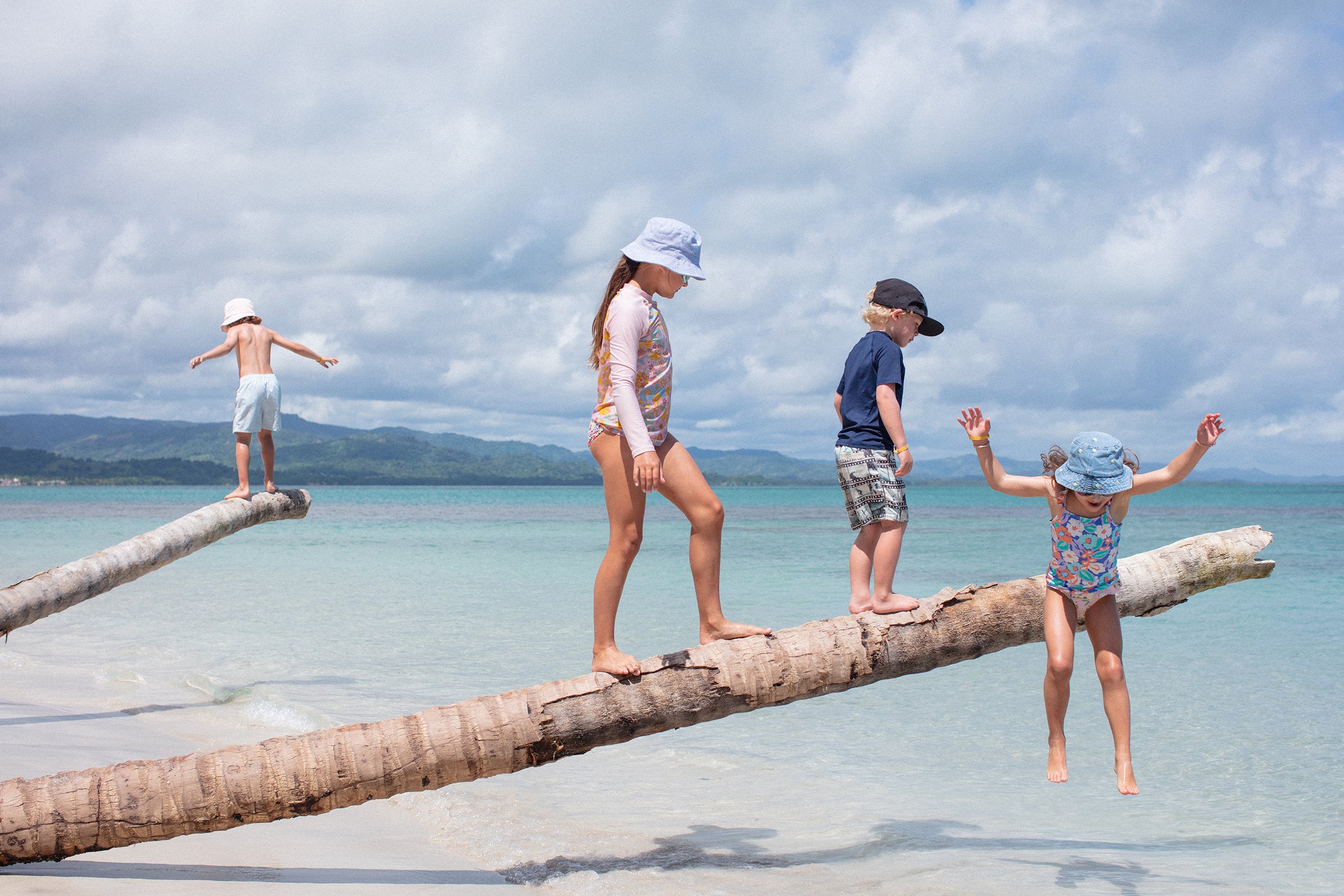
Your audience can tell when something feels real
We are becoming increasingly sophisticated consumers of imagery.
We scroll past thousands of images every week. We see highly polished advertising, carefully curated social feeds and increasingly realistic AI-generated content.
And while an AI image might look impressive, it can lack something that technology can't easily manufacture:
A real story.
There’s a difference between showing someone an image of an athlete running through the mountains and showing the actual person behind the brand doing what they love.
There’s a difference between generating an image of a beautiful wellness space and photographing the people, details and atmosphere that actually make that business unique.
And there’s a difference between creating a generic image of an entrepreneur and showing the real person—their personality, environment, energy and expertise.
Authenticity creates recognition. Recognition creates trust.
Perfect isn't always the goal
For years, commercial photography often focused on creating the most polished, perfected version of a brand.
Perfect lighting. Perfect skin. Perfect poses. Perfect environments.
But brands are beginning to understand that perfection isn't necessarily what makes an image compelling.
Sometimes it's the wind in someone's hair.
The genuine laugh between takes.
The athlete covered in sweat after a workout.
The imperfect texture of a handmade product.
The way someone naturally interacts with their environment.
The little details that couldn't have been planned or generated.
These moments create visual authenticity.
And for brands built around people, experiences, wellness, fitness, adventure and lifestyle, those details are often the most powerful part of the story.
Your brand is more than a logo
A strong visual identity isn't just about colours, fonts and a logo.
Your photography is one of the most important ways people experience your brand.
Think about what someone sees when they land on your website or Instagram account.
Do they see generic stock photography?
Do they see the same type of polished images as everyone else in your industry?
Or do they immediately get a sense of who you are, what you do and what makes you different?
Your imagery should communicate your brand before someone reads a single word.
For a fitness brand, that might mean capturing energy, movement, strength and real human connection.
For a wellness brand, it might be about calm, texture, natural light and meaningful details.
For an outdoor company, it could mean documenting real people using your products in the environments they're designed for.
For a personal brand, it means showing more than what you look like. It means showing who you are and what you bring to the table.
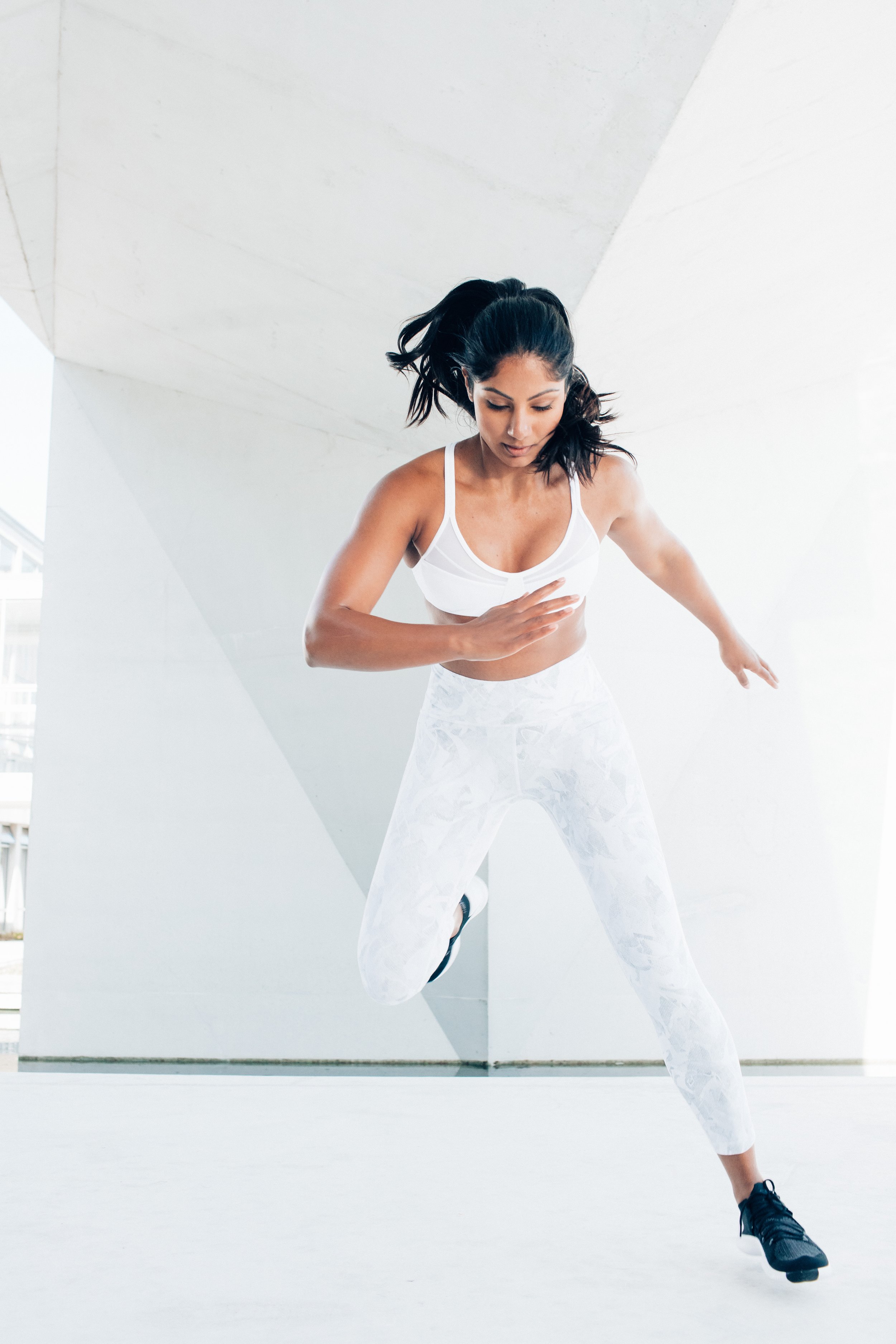
Personal branding photography is about telling the bigger story
A professional headshot has its place.
But your personal brand is much bigger than your headshot.
Today's audiences want to see the person behind the business.
They want to know what you do, how you work, what you're passionate about and what it feels like to work with you.
That's where personal branding photography becomes powerful.
Instead of creating one polished portrait, a well-planned branding session can give you an entire visual library:
Professional portraits
Environmental portraits
Images of you working
Behind-the-scenes moments
Lifestyle imagery
Detail shots
Product photography
Website banner images
Social media content
Images that show personality and expertise
The result isn't simply a collection of photographs.
It's a visual toolkit for your brand.
Real photography gives your brand something AI can't
AI can generate a convincing image of almost anything.
But it can't photograph your actual team having a conversation.
It can't document your real customers using your product.
It can't capture the exact environment where your business operates.
It can't recreate the relationship between an athlete and a coach.
It can't photograph the subtle details of your product that make it uniquely yours.
And it can't replace the experience of being there.
Those real moments become part of your brand's intellectual and visual property.
They're proof that your business exists, that your people are real and that your story is yours.
The future isn't AI vs. photography
I don't believe the future of commercial photography is about choosing between AI and real photography.
AI is going to continue to be an incredibly useful creative tool.
The opportunity for brands is to use technology where it makes sense while continuing to invest in the things that make their brand human.
Use AI to explore ideas.
Use it to brainstorm concepts.
Use it to experiment.
But when it comes to showing your people, your products, your customers, your locations and your story, there is still enormous value in being there with a camera.
Because your brand shouldn't look like everyone else's.
It should look like you.
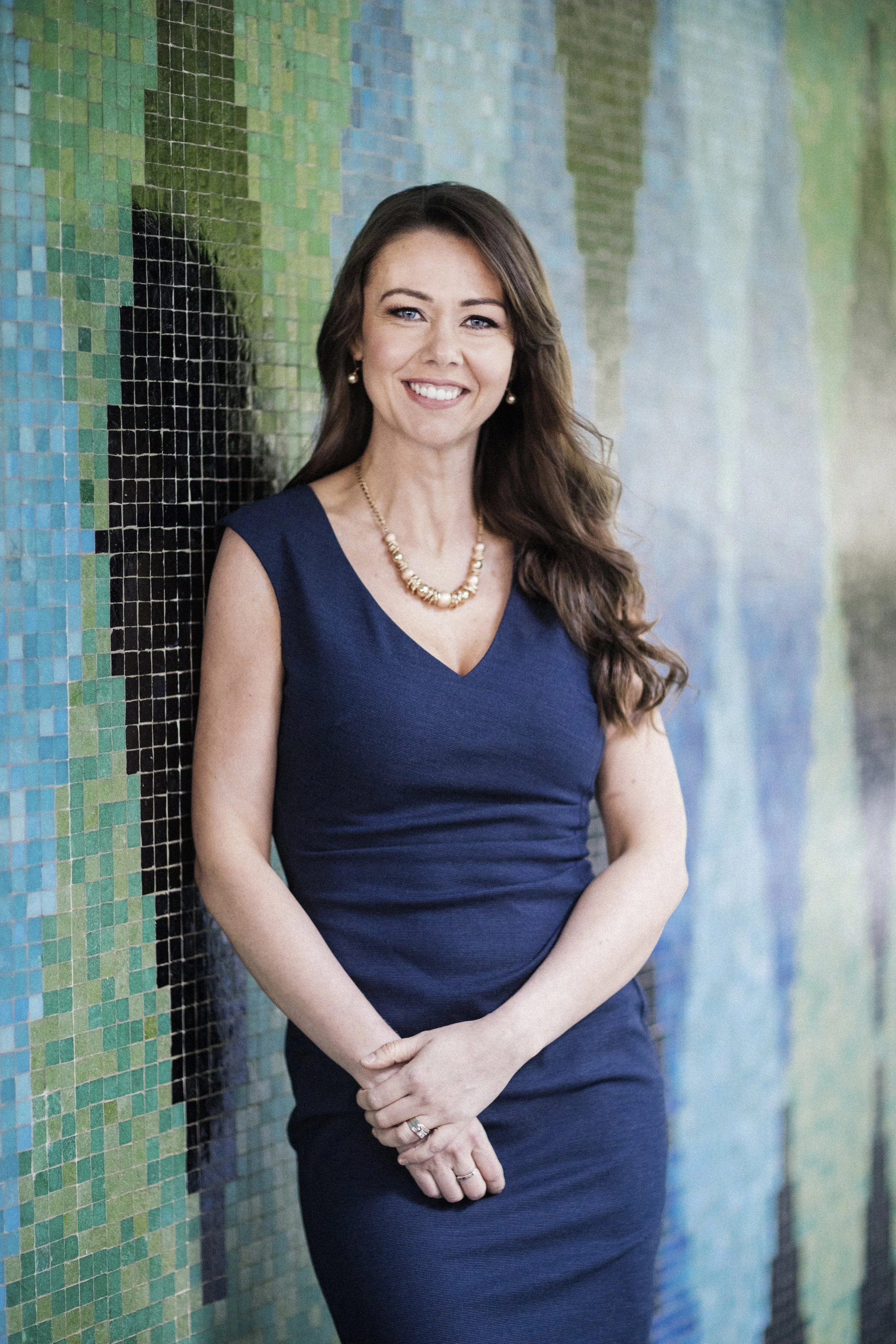
Authentic imagery is an investment in trust
Your website, social media and marketing materials are often the first experience someone has with your business.
Before they contact you, buy your product or walk through your door, they're already forming an impression.
Professional photography gives you an opportunity to control that first impression with images that are intentional, consistent and authentic to your brand.
The goal isn't simply to make your business look good.
It's to make people feel something.
Curiosity.
Trust.
Connection.
Inspiration.
A desire to be part of what you're building.
And in a world increasingly filled with generated imagery, those human connections may become one of the most valuable things a brand can own.
Your brand has a story. Make sure people can see it.
Whether you're launching a business, building a personal brand or looking to refresh your company's visual identity, professional photography can give you the authentic imagery you need to communicate your story.
I create authentic brand, personal branding, lifestyle and commercial photography for fitness, wellness, outdoor and lifestyle brands in Vancouver and beyond.
Let's create imagery that doesn't just represent your brand—but feels like your brand.
Why personal branding matters in 2026.
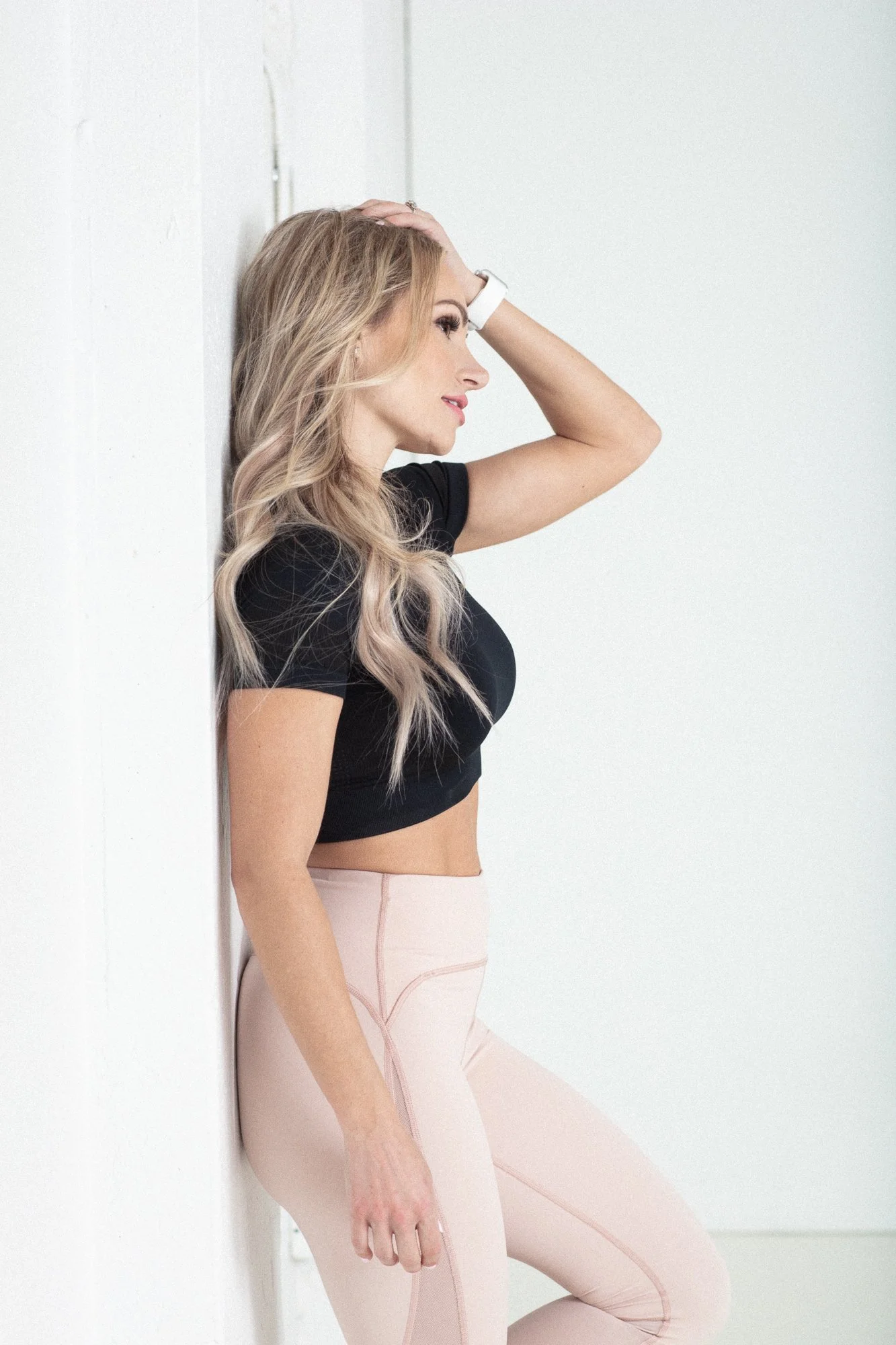
What is personal branding and the importance of good images.
Personal branding photography is more than just a collection of professional headshots. It is a strategic set of images designed to communicate who you are, what you do, and why people should trust you — before they ever meet you.
In 2026, where most first impressions happen online, your visuals are often your first conversation with a potential client, employer, or collaborator.
That makes personal branding photography one of the most important tools for professionals, entrepreneurs, and service-based businesses today.
Our Approach to Personal Branding Photography
I start with getting my clients to provide me with a vision board, ideally a Pinterest page to get a clear idea of their vision and what they are looking to achieve with their personal branding photoshoot. I follow up with a phone call consultation to talk about locations, wardrobe, makeup and hair if needed and any other details we need to cover. The idea is to come to the photoshoot with a concise plan and shot list to execute and creates a library of images you can use across your digital presence.
Unlike traditional headshots (which are usually one or two formal portraits), branding photography includes:
Professional portraits (formal and casual)
Lifestyle imagery
Working/action shots
Environmental portraits (your space or chosen location)
Detail shots (tools, workspace, brand elements)
The goal is to visually communicate your personality, professionalism, and positioning.
It answers questions like:
What do you do?
Who do you help?
What’s your energy and style?
Why should someone trust you?
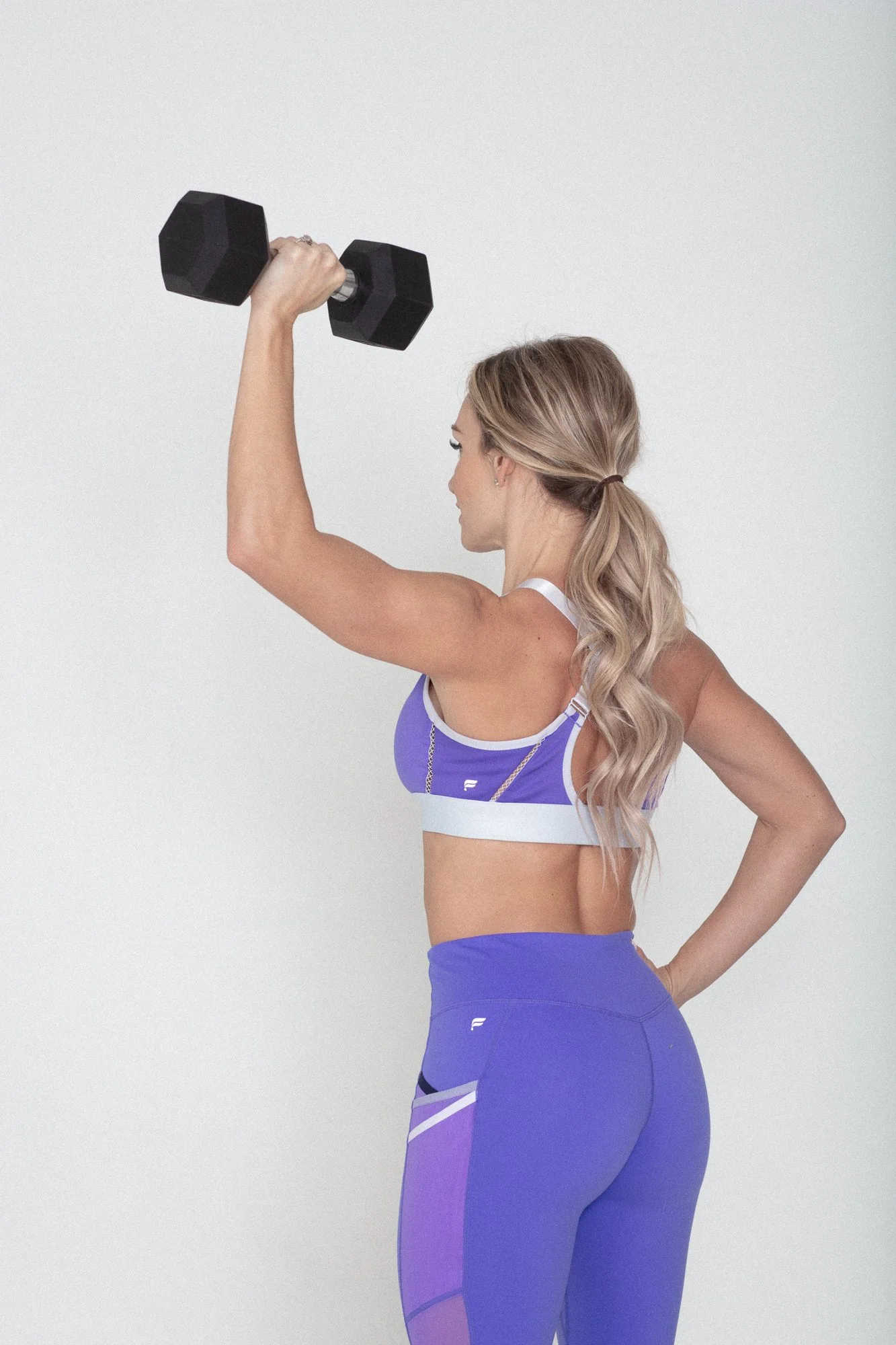
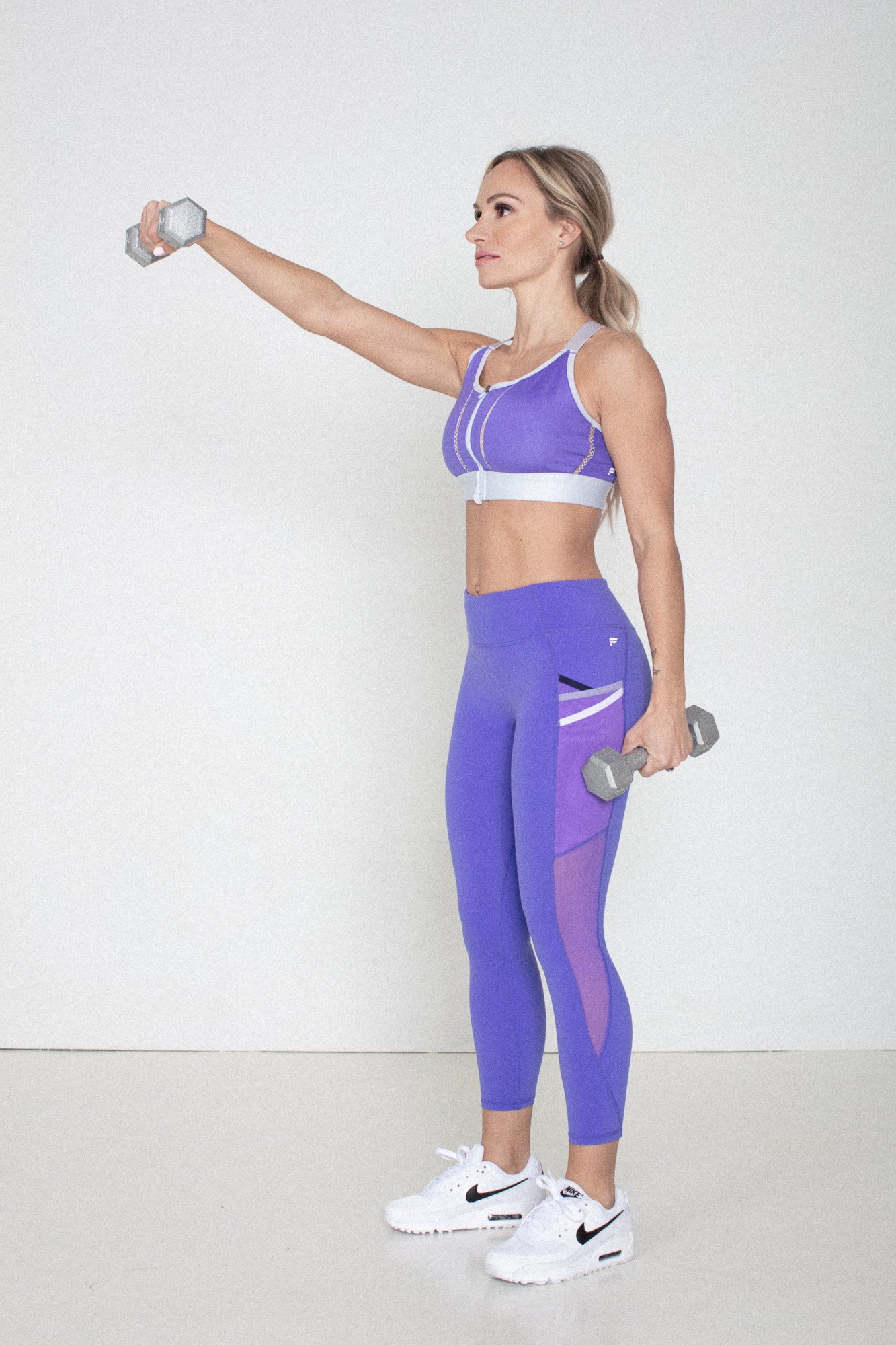
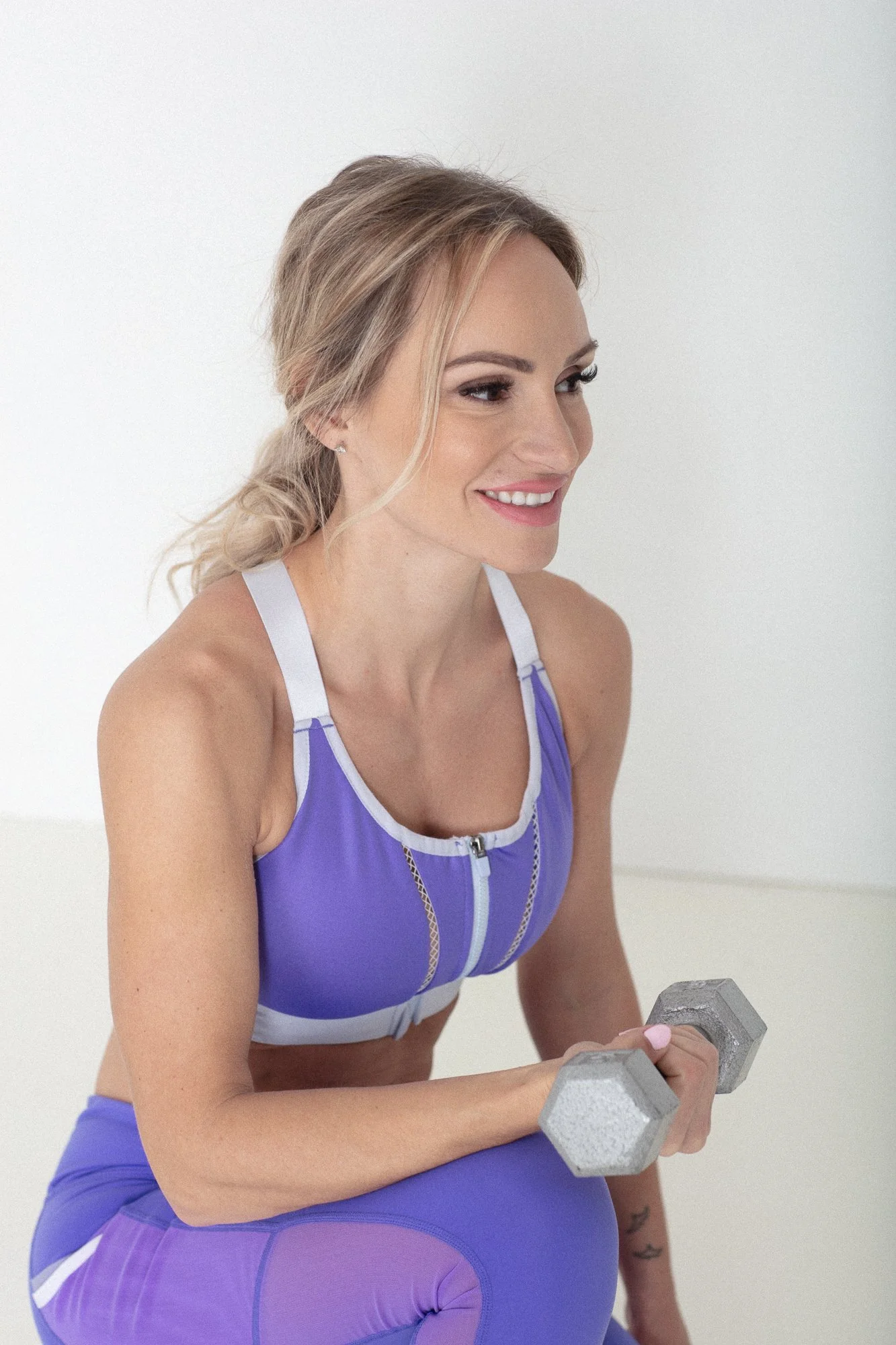
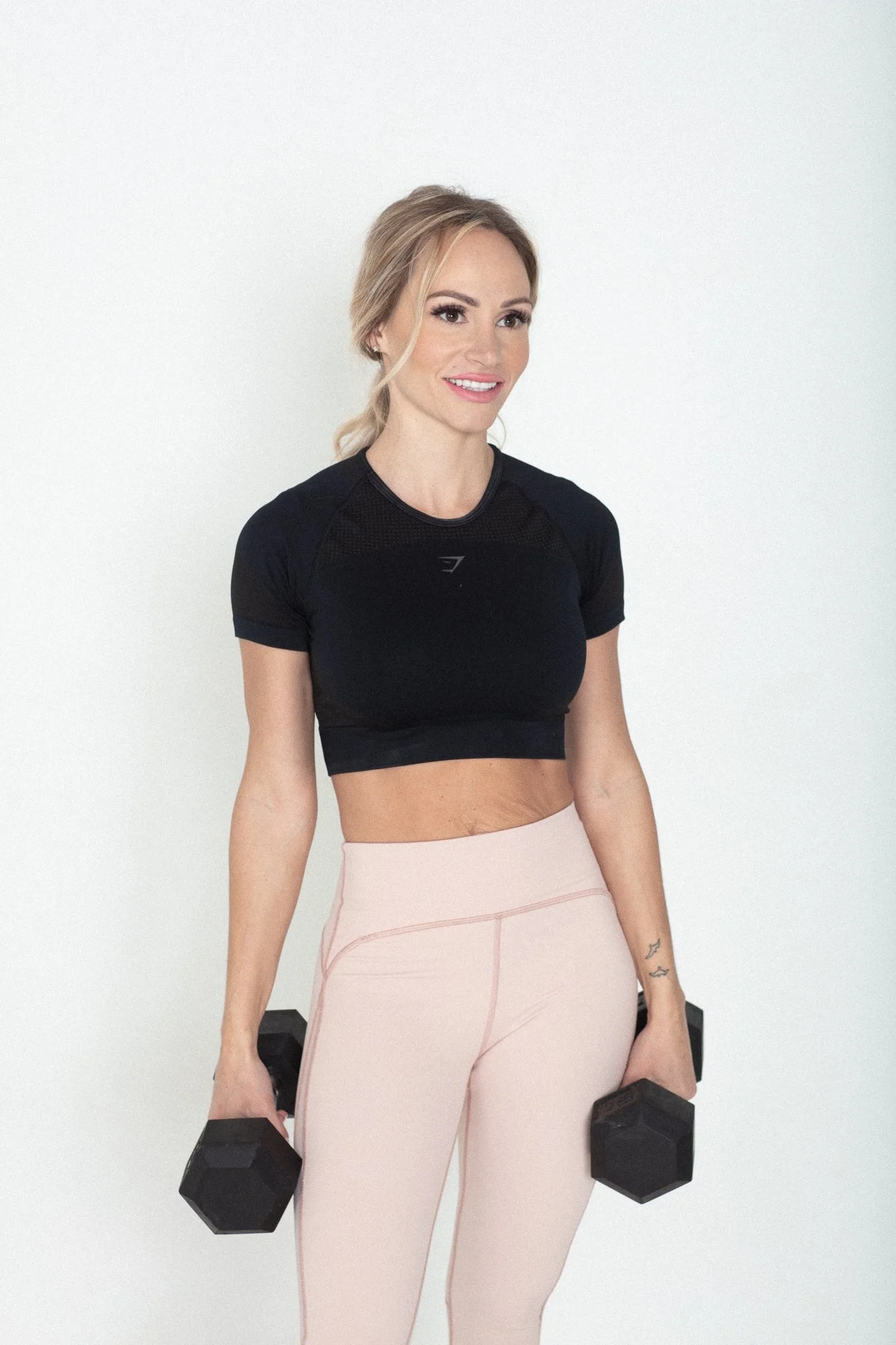
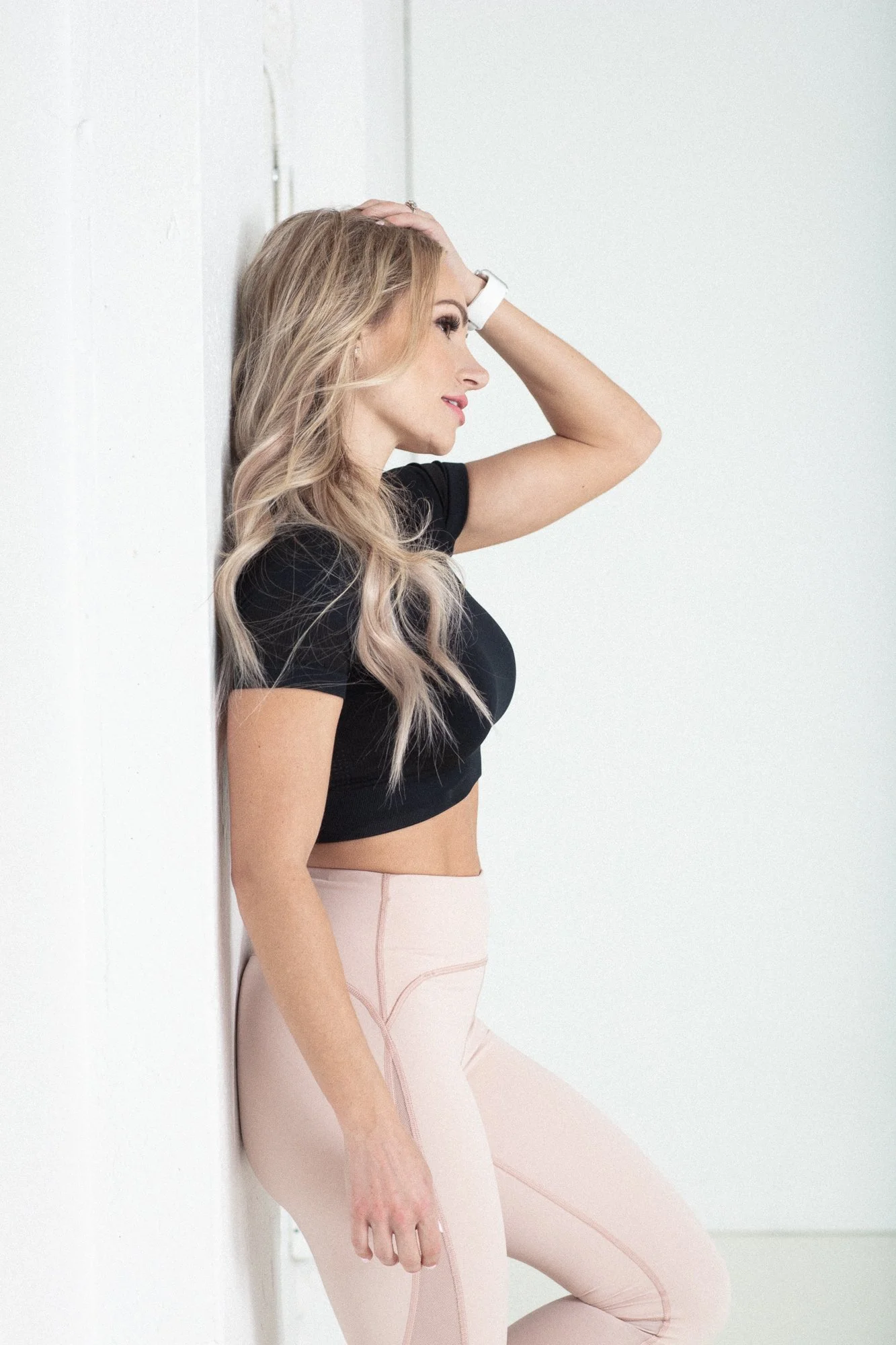
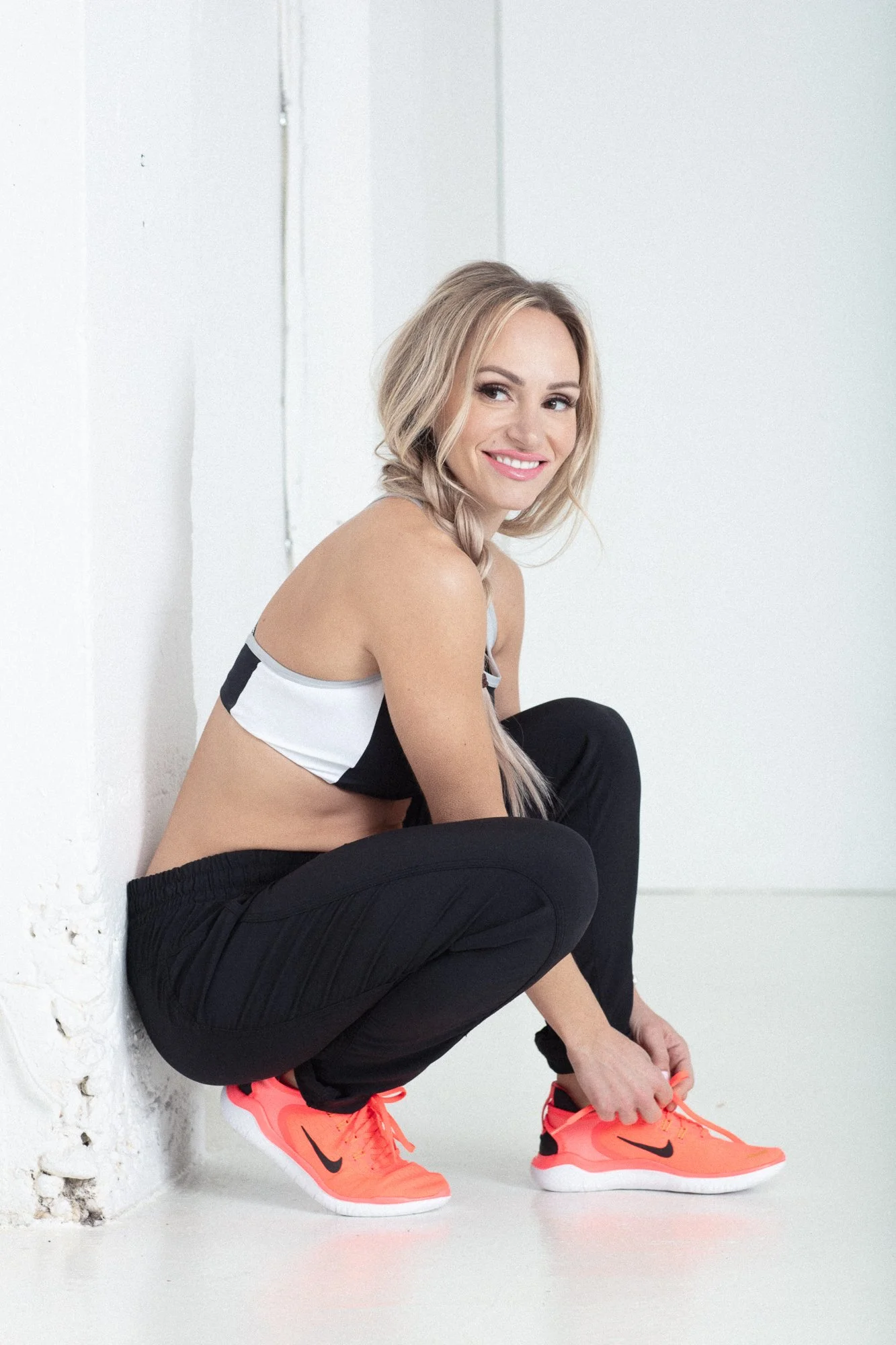
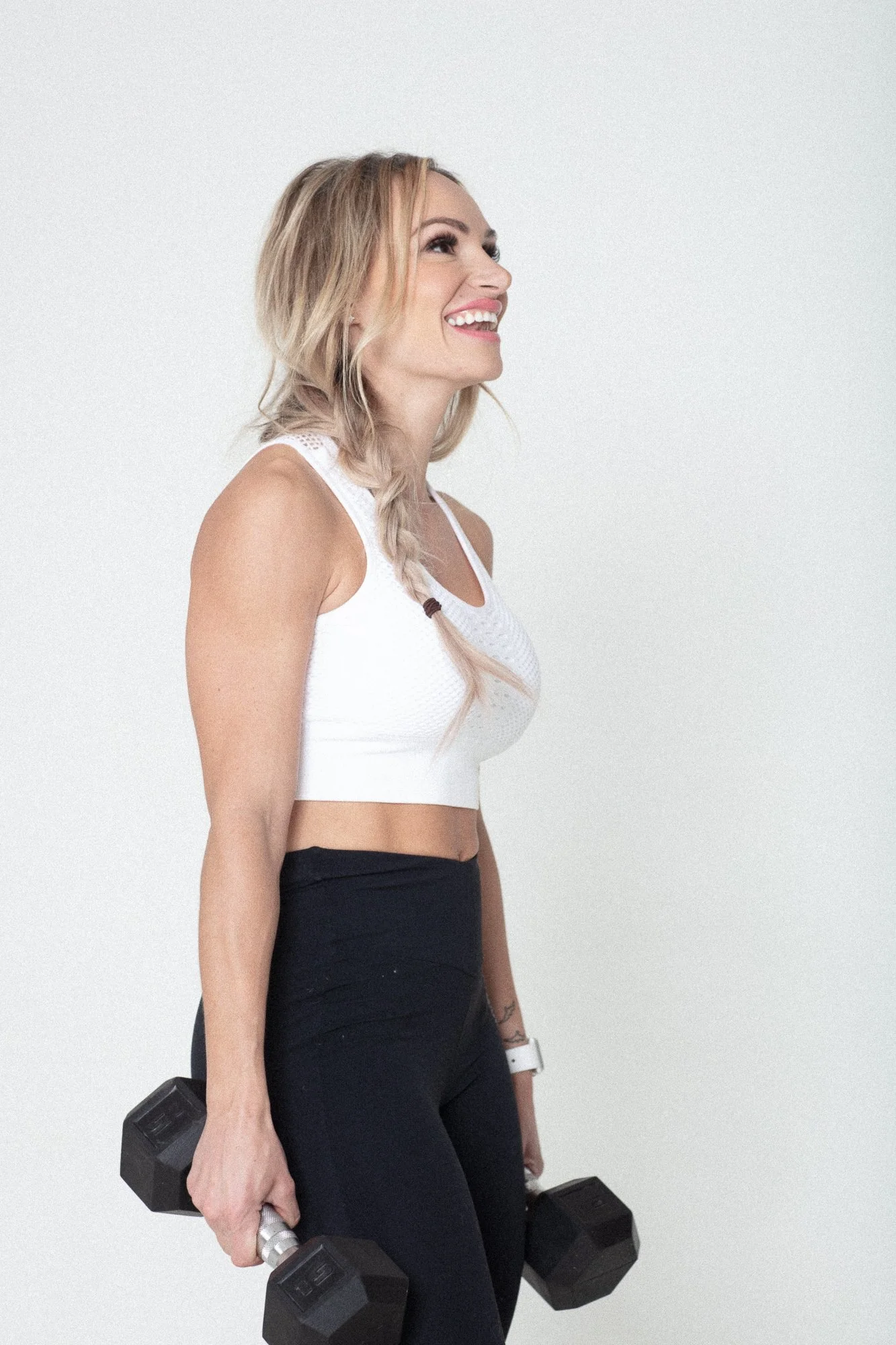

May 13th, 2026 . Fitness Photography: Capturing Strength, Movement, and Real Energy
Fitness Photography: Capturing Strength, Movement, and Real Energy
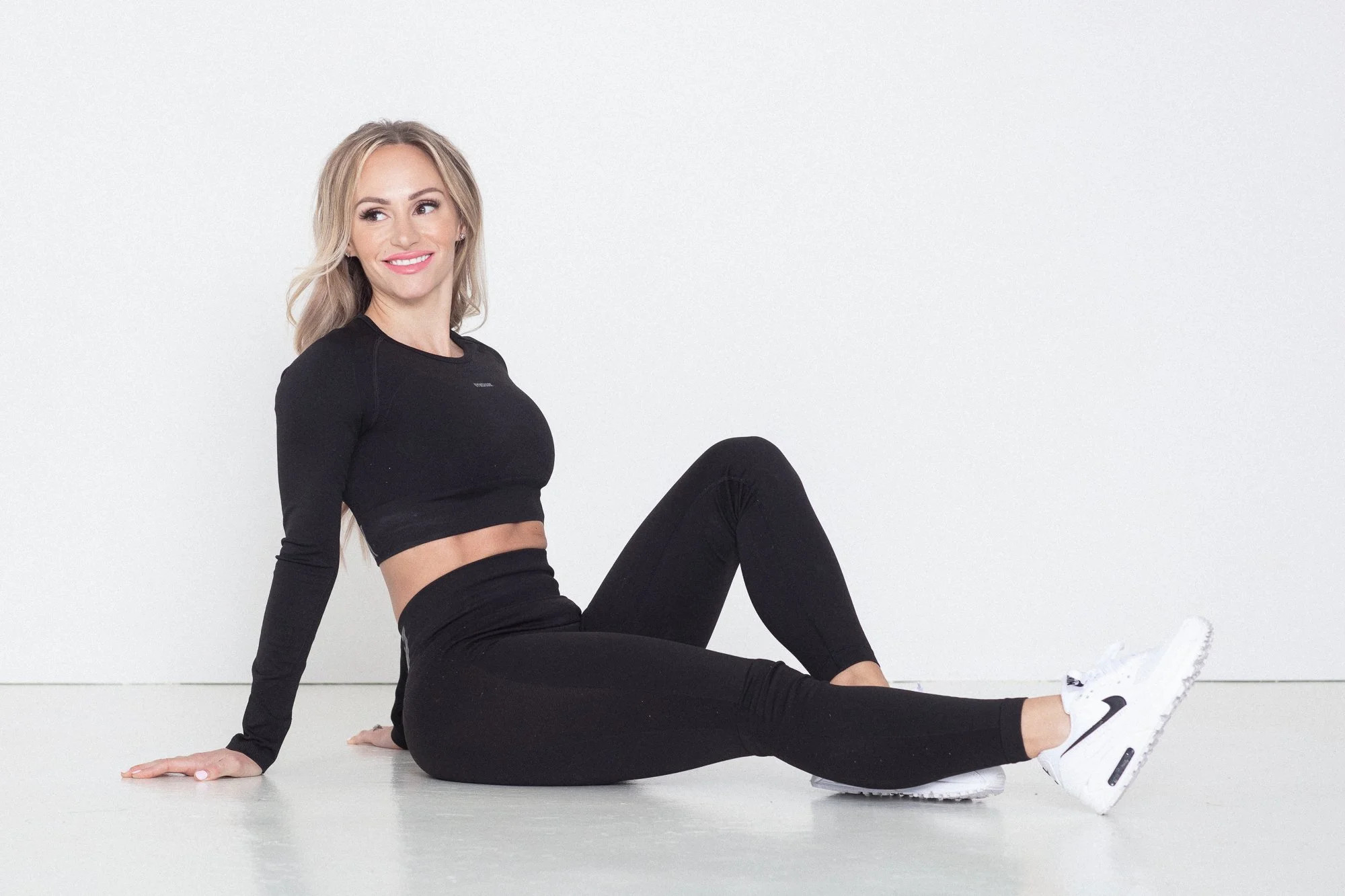
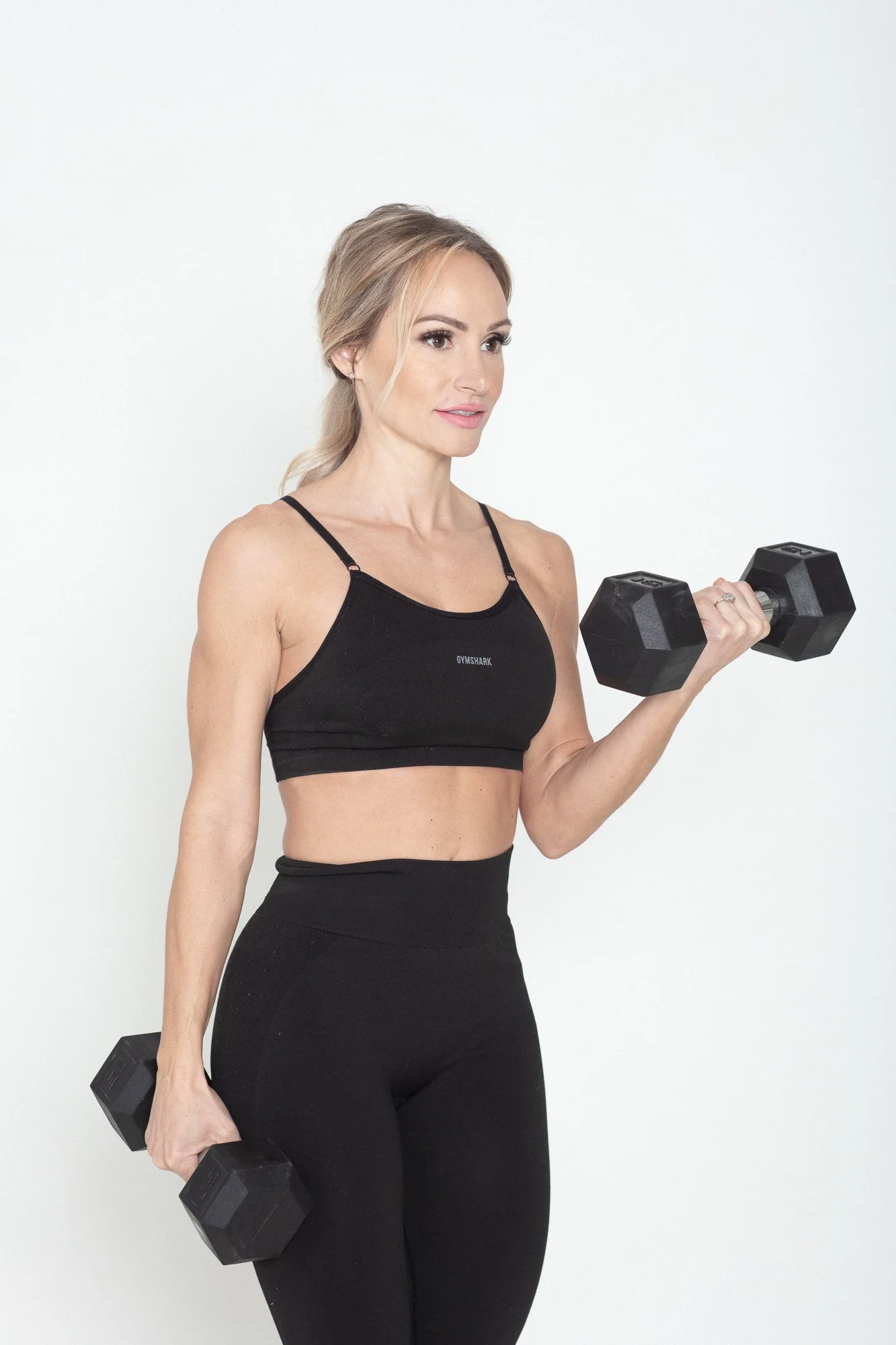
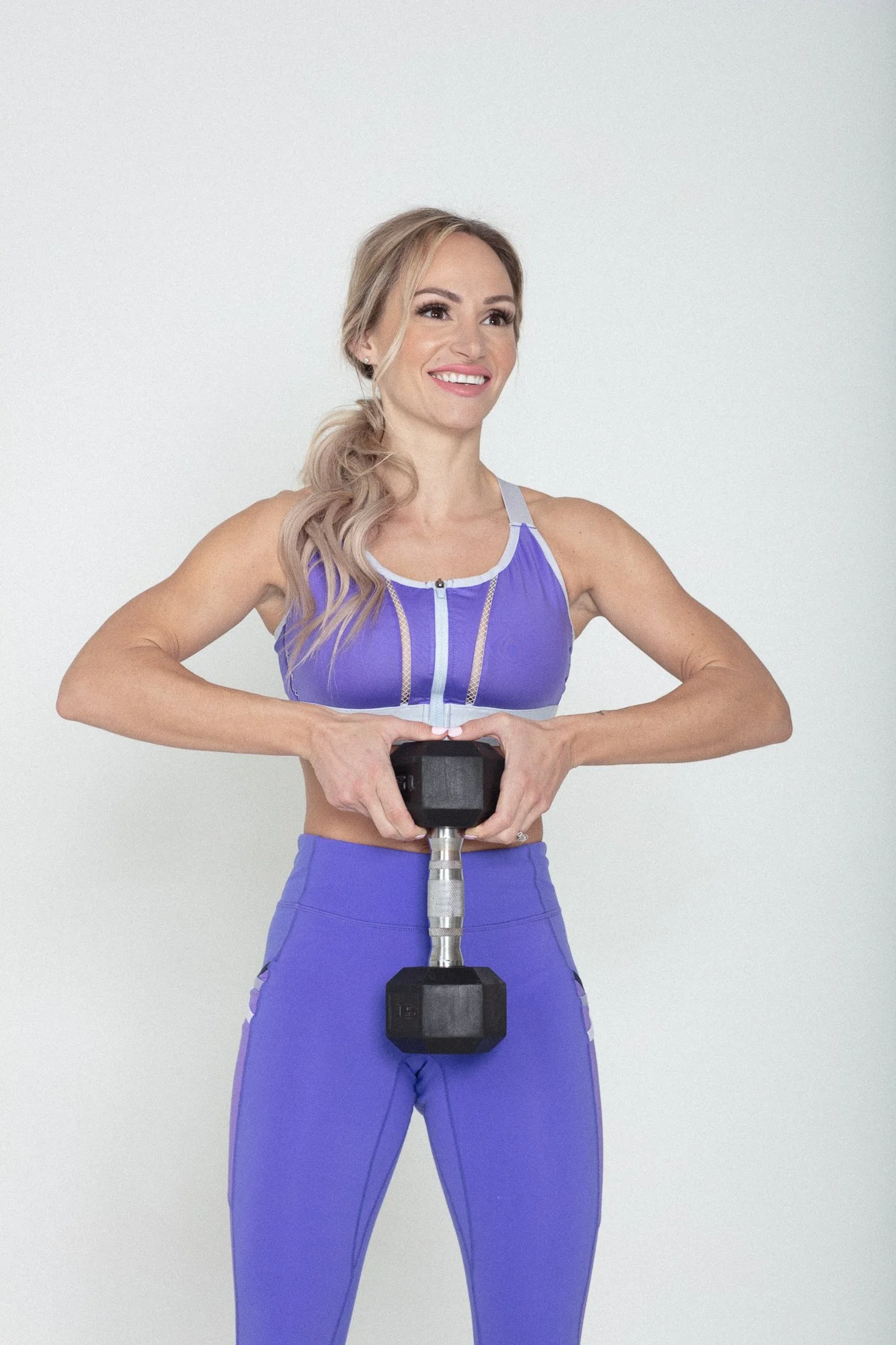
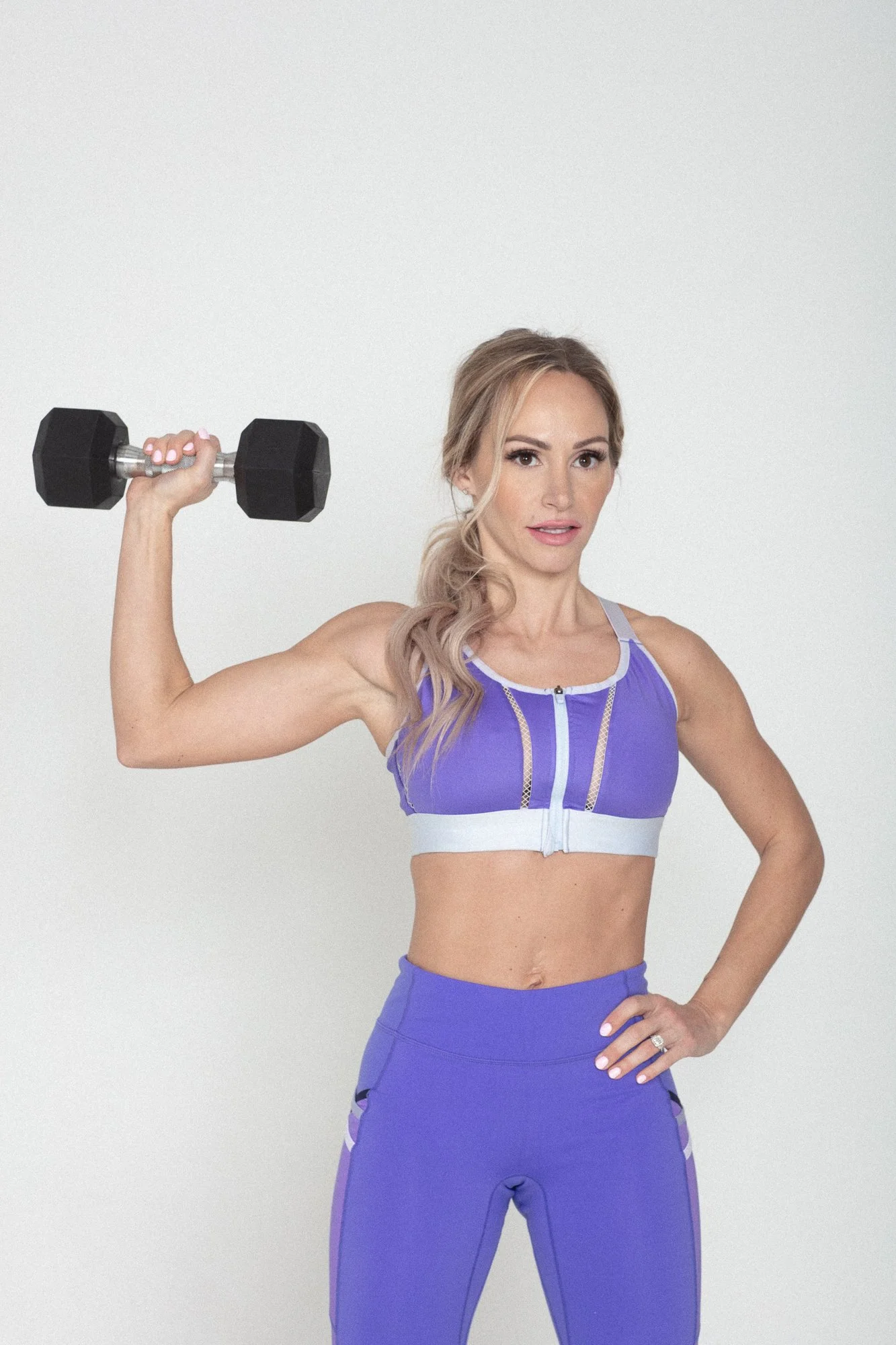
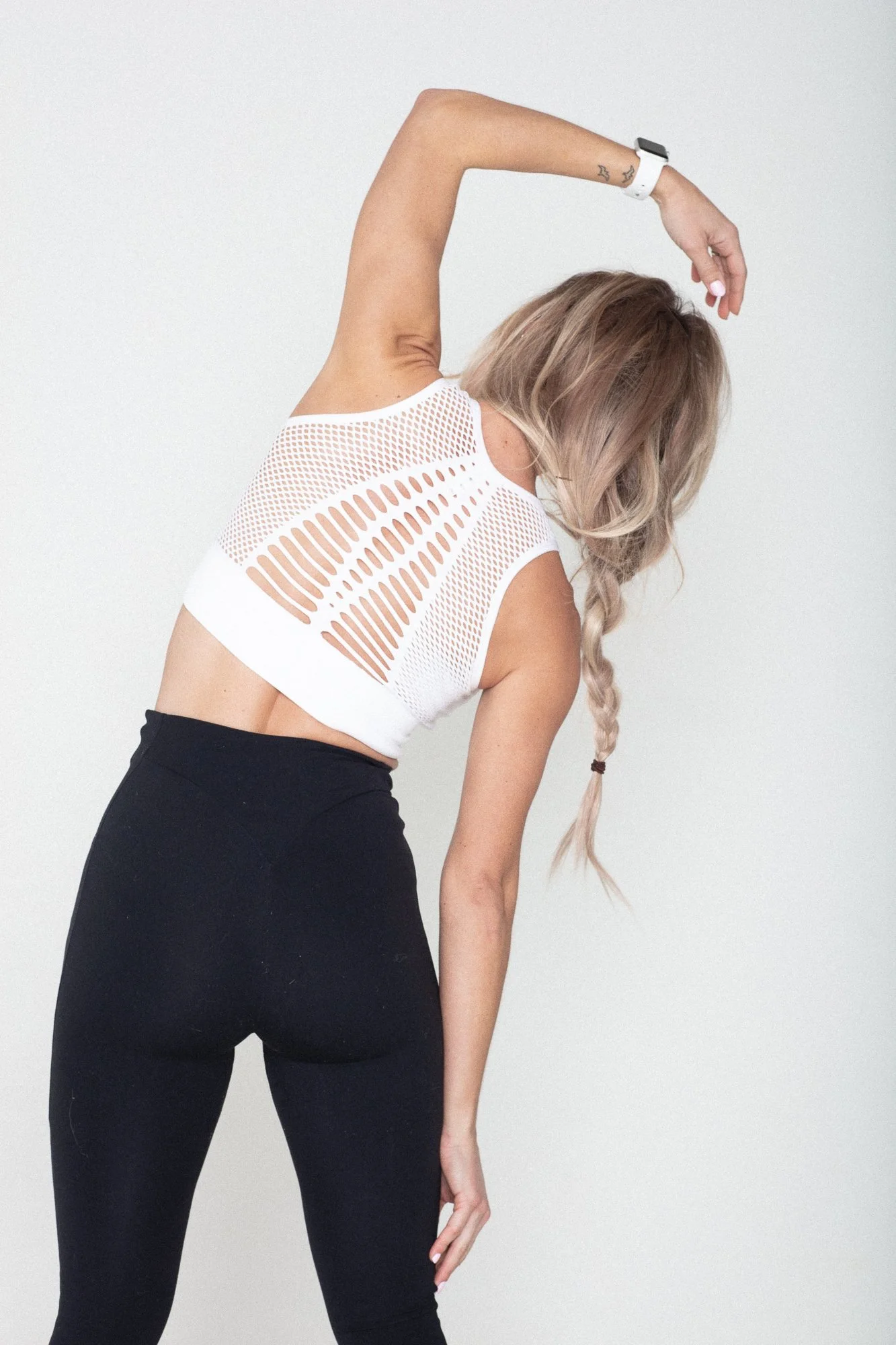
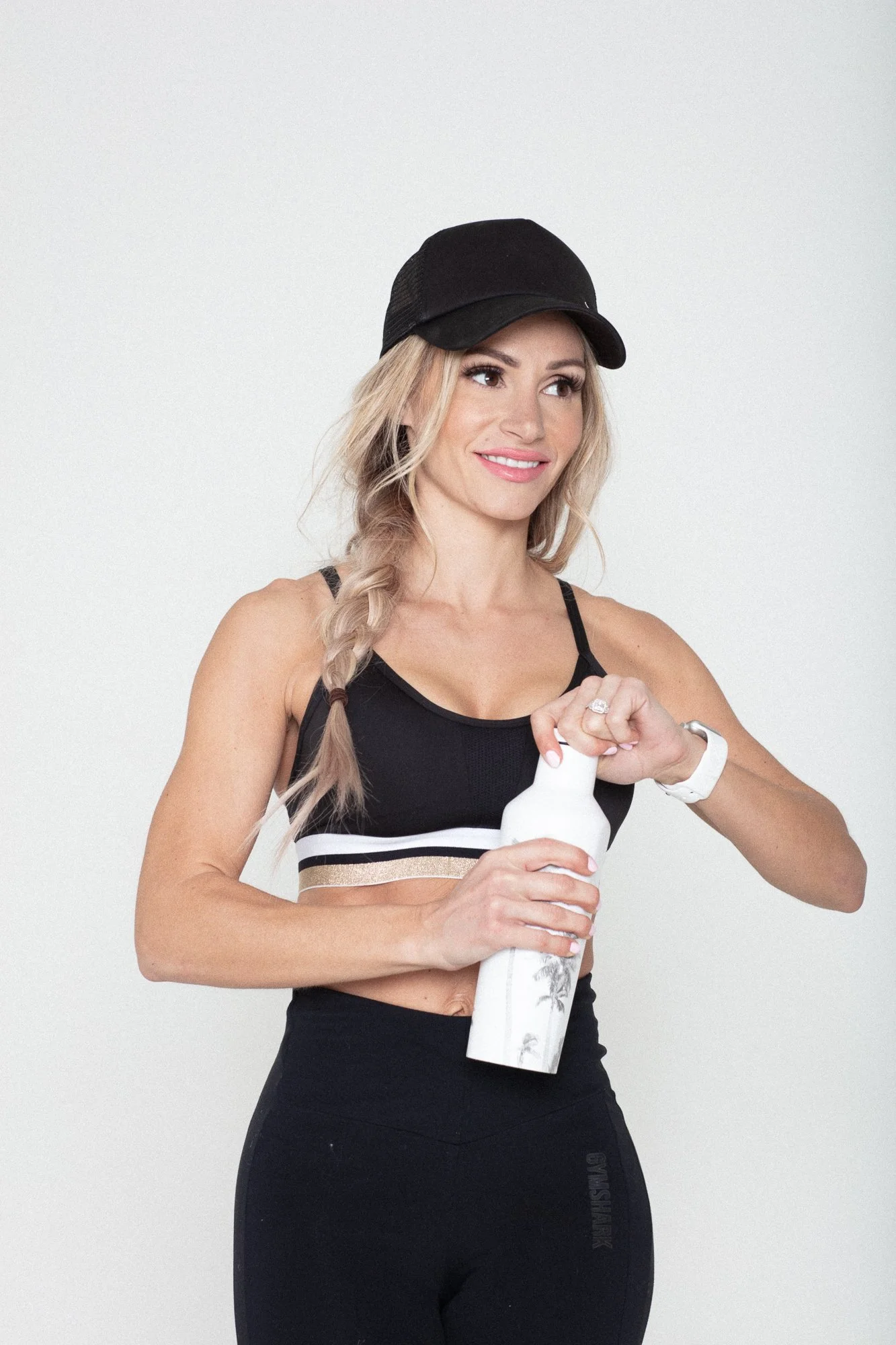
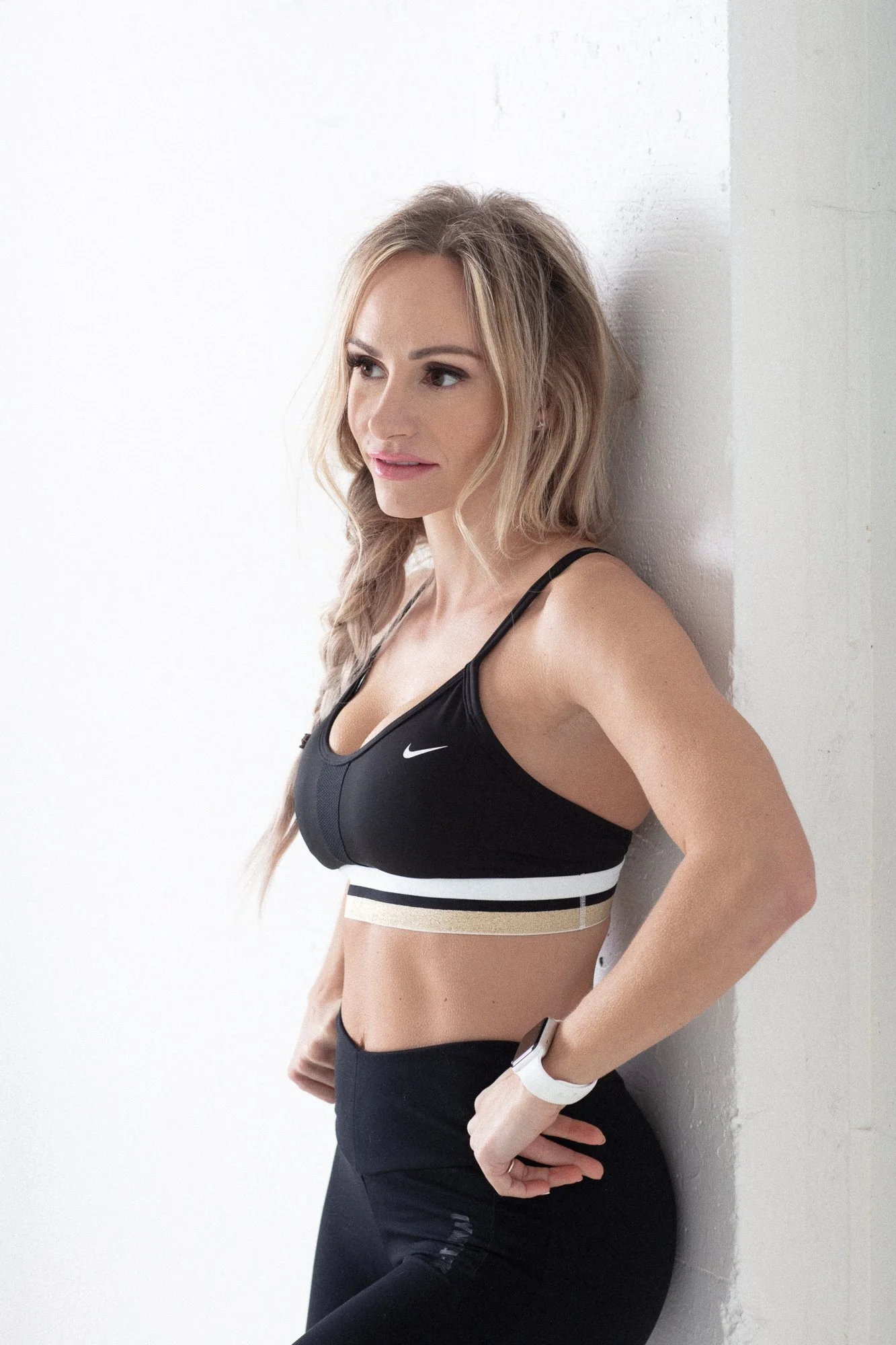
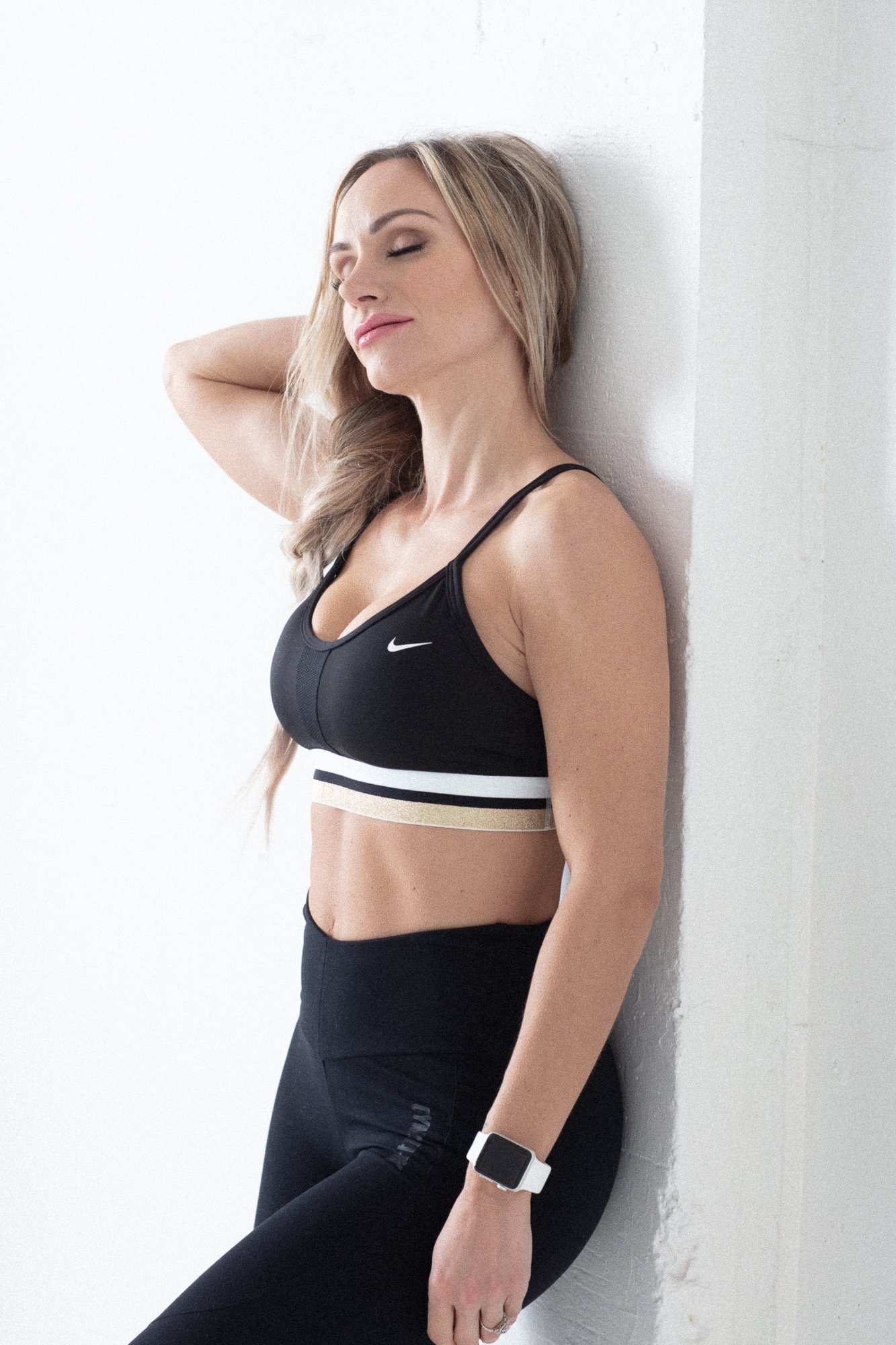
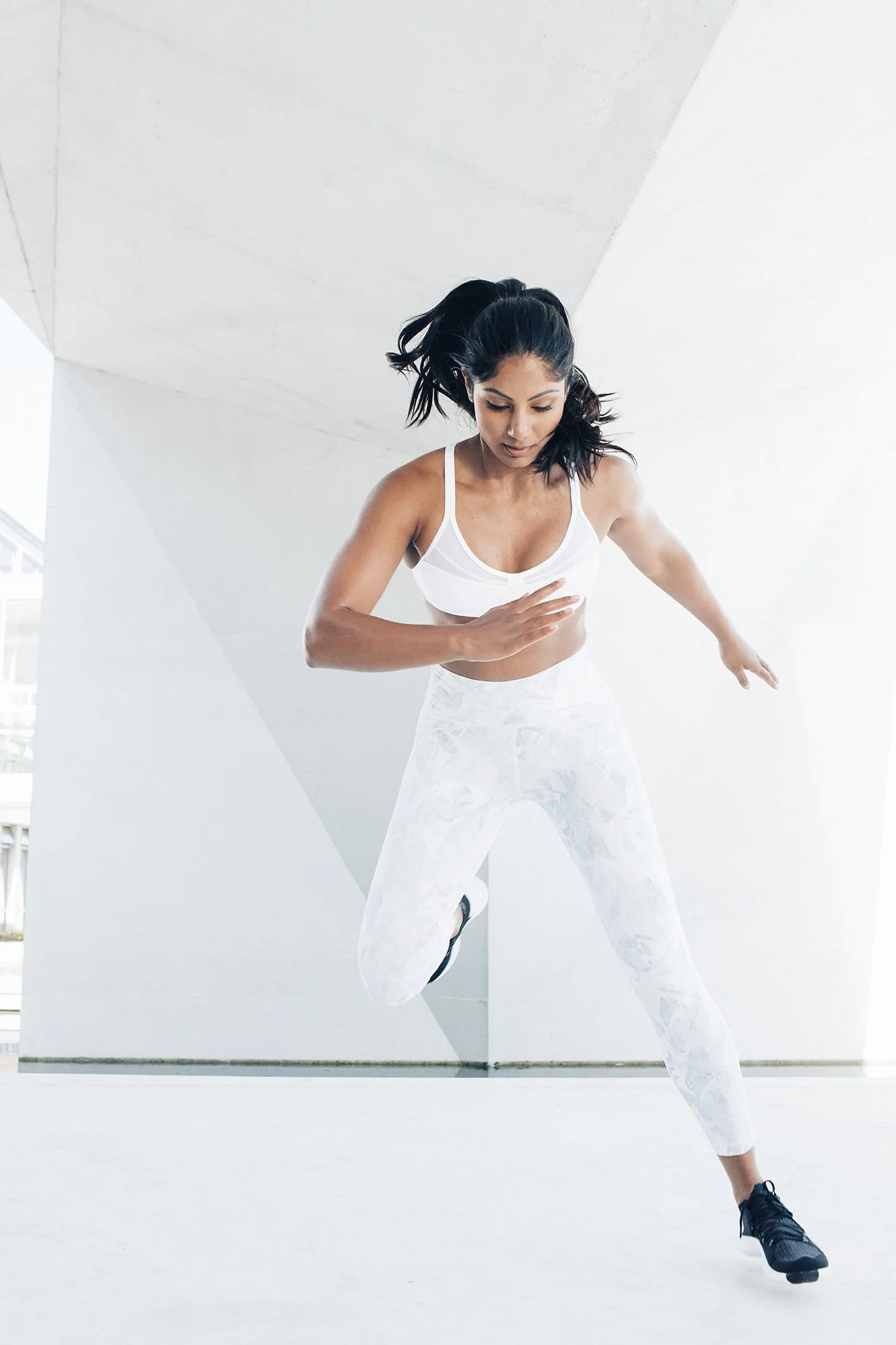
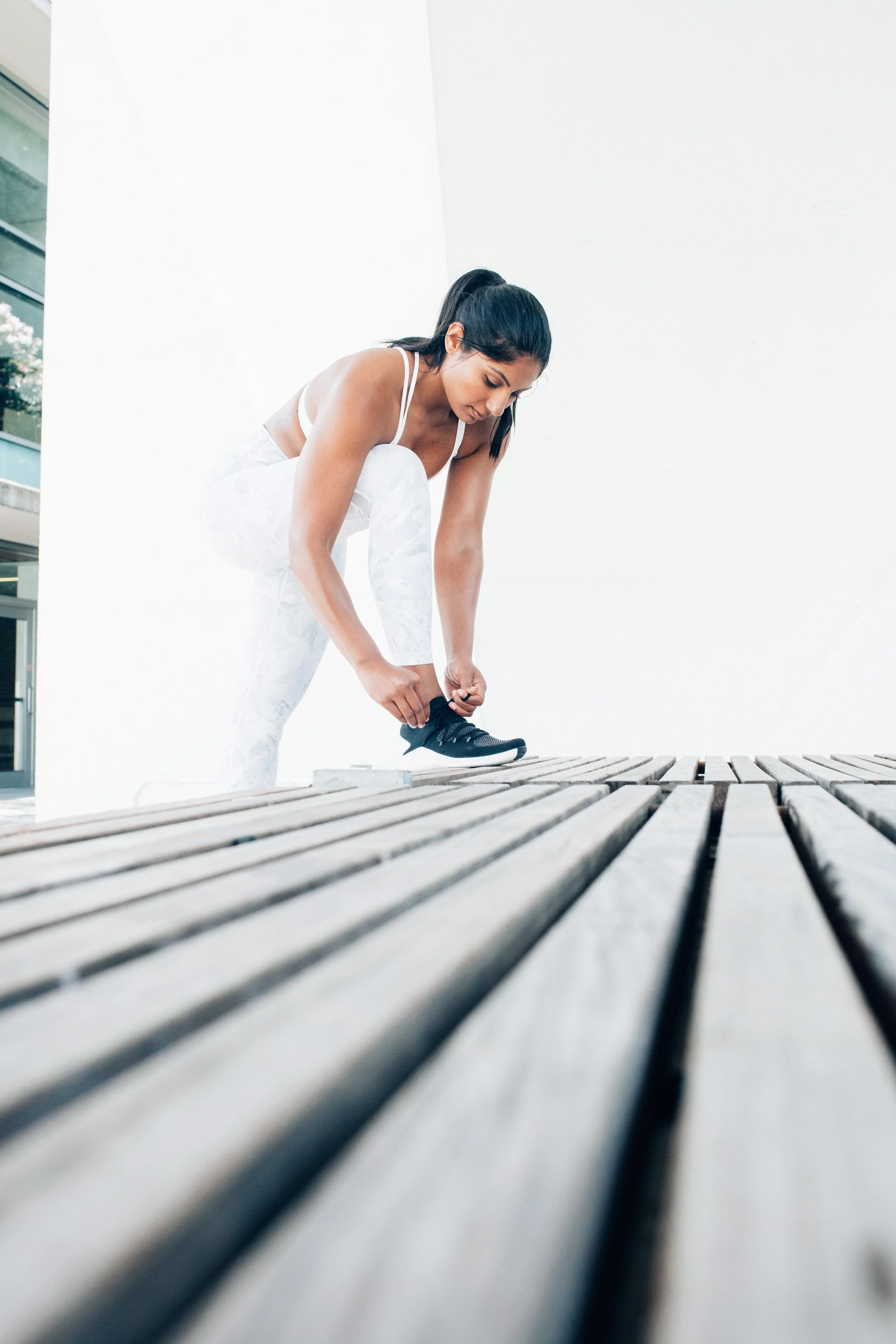
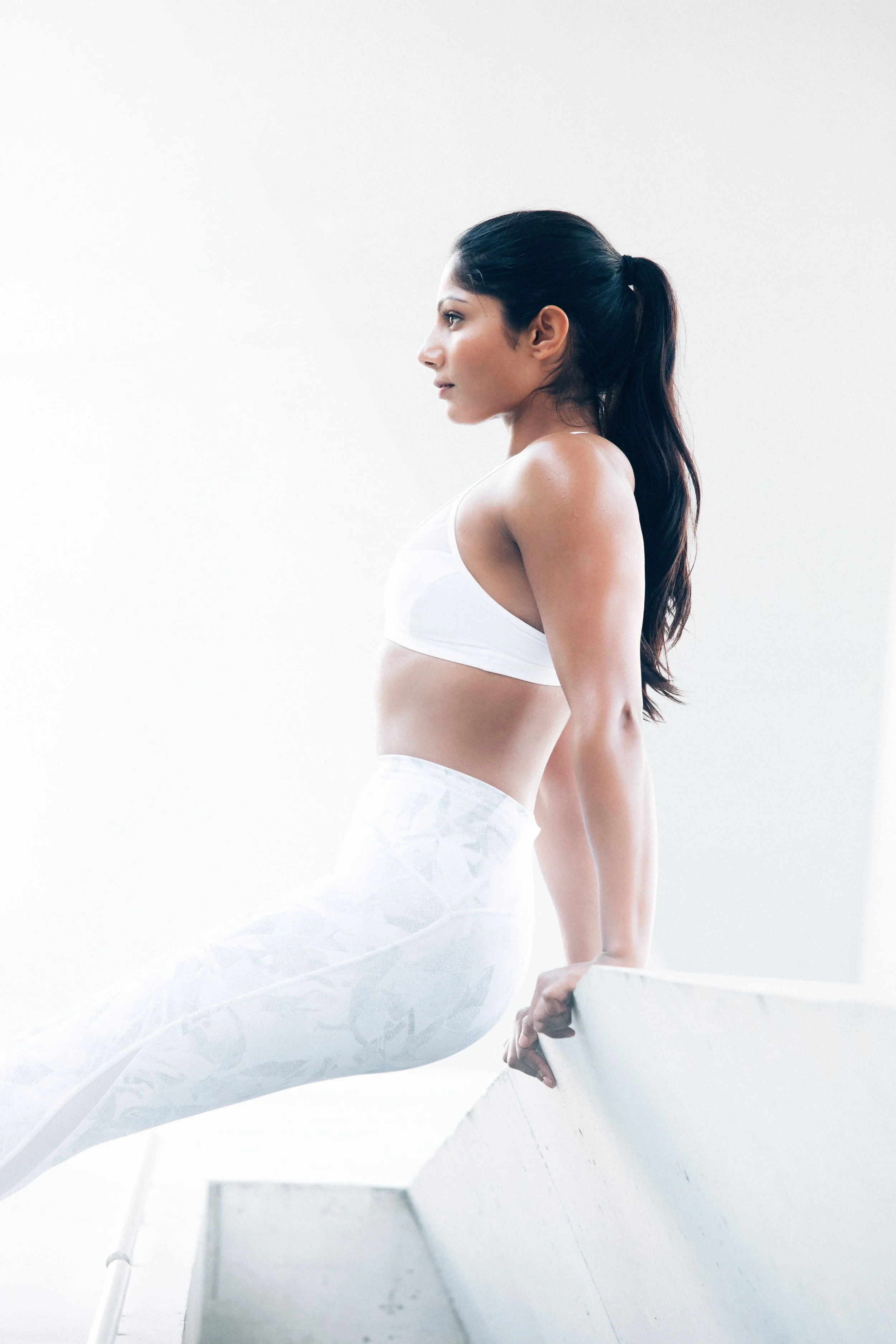
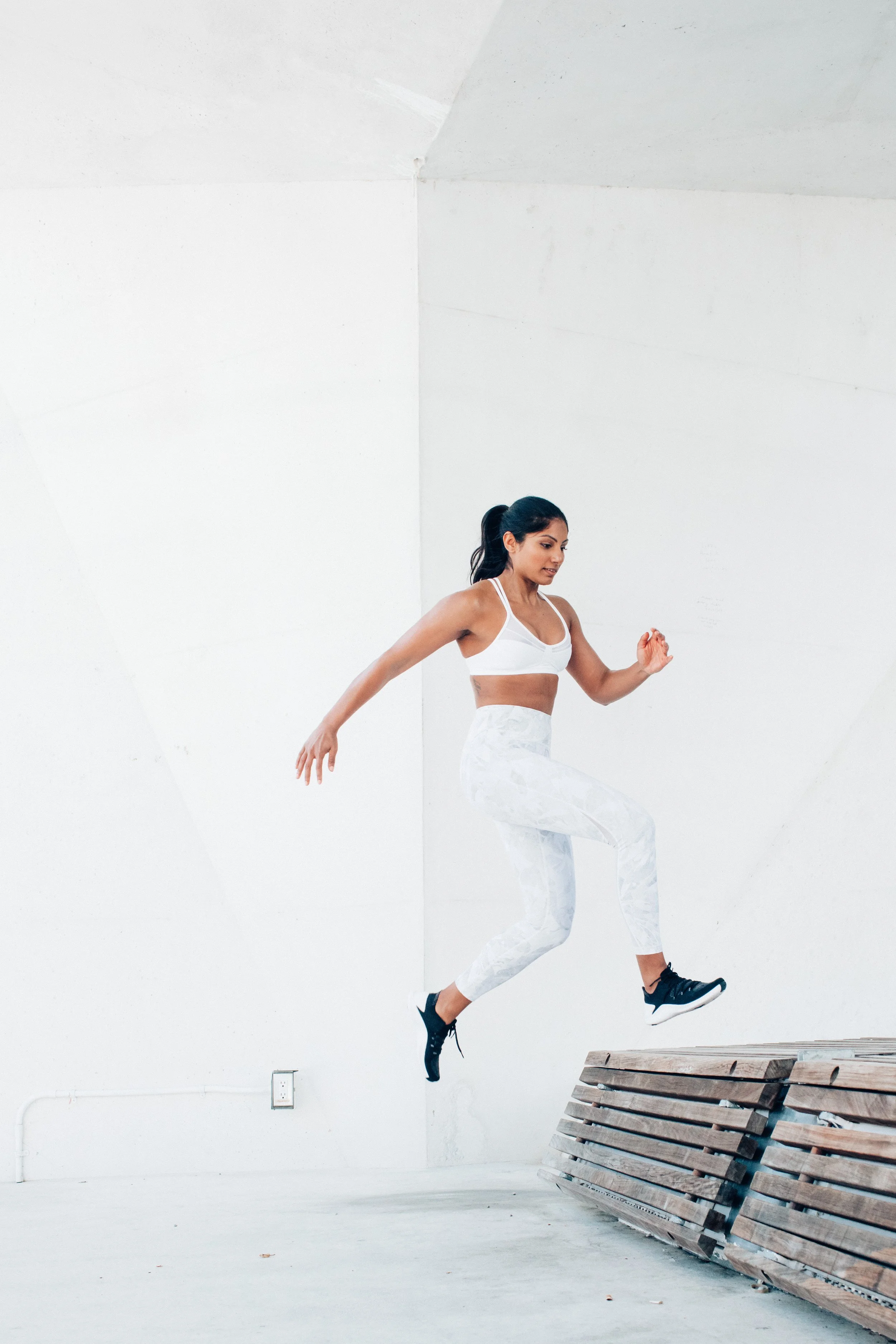
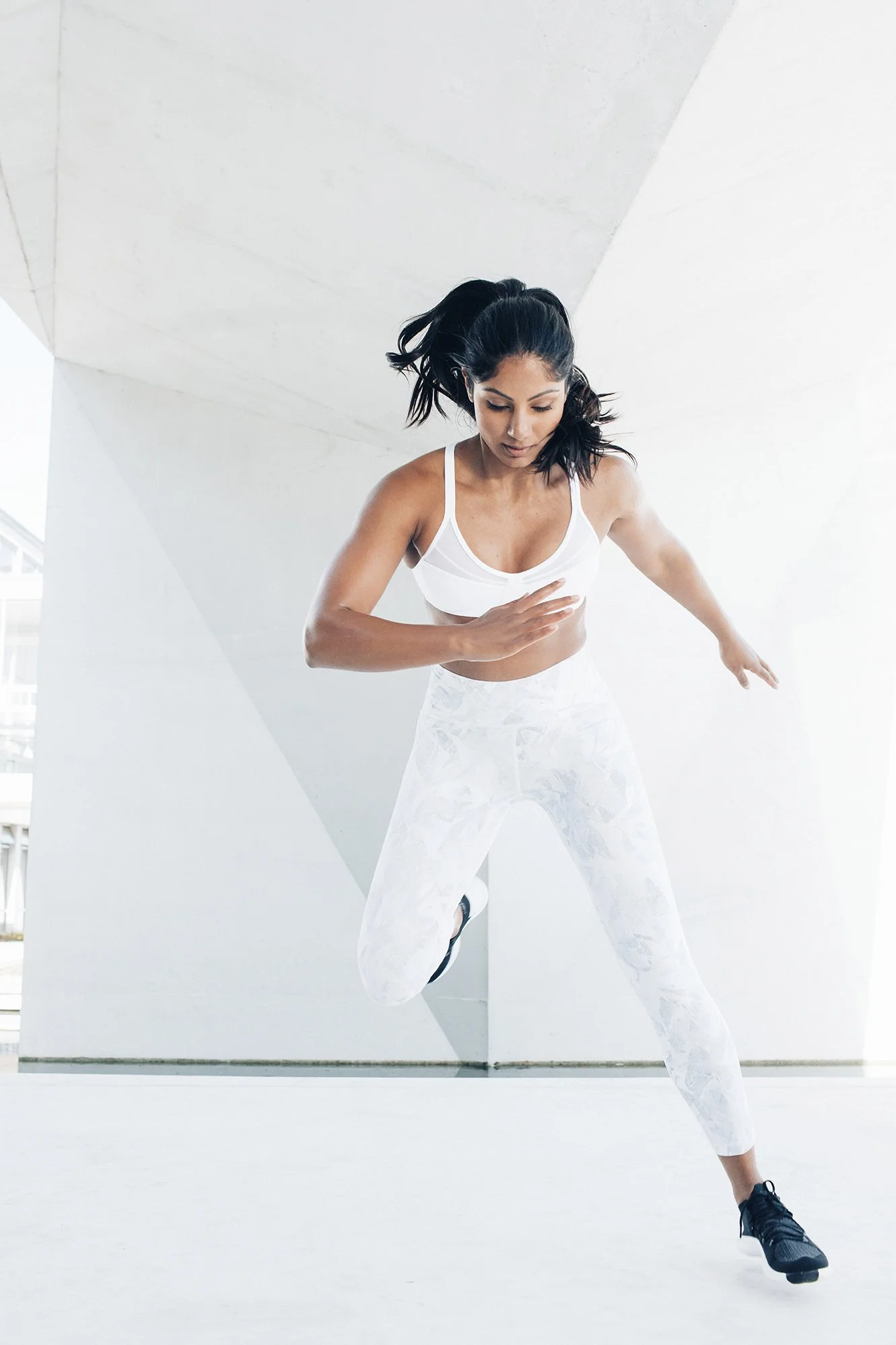
Fitness photography, at its core, is not about perfection. It’s about energy. It’s about that split second where effort turns into expression—where movement, discipline, and personality all come together in one frame.
Over the years, I’ve found that the most compelling fitness images are never the ones where everything feels staged. They’re the ones where something real is happening. A breath between reps. A moment of focus before a sprint. The subtle shift in posture when someone forgets the camera is even there.
That’s where the story lives.
Beyond the “fit aesthetic”
Social media has shaped a very specific idea of what fitness photography should look like—clean lines, posed symmetry, polished bodies under perfect light. While there is a place for that, it often misses the deeper layer: why the movement exists in the first place.
When I photograph athletes or individuals in training, I’m more interested in:
the intention behind the movement
the rhythm of their training
the quiet discipline that doesn’t always get seen
A strong image doesn’t just show what someone looks like. It reflects what they do consistently when no one is watching.
Creating space for real movement
One of the most important parts of a fitness shoot is letting go of over-direction.
Yes, there is always intention behind light, location, and framing—but within that structure, I like to create space for people to move naturally. To run, jump, stretch, lift, reset. That unpredictability is what brings life into the frame.
Often, the best images happen in between instructions.
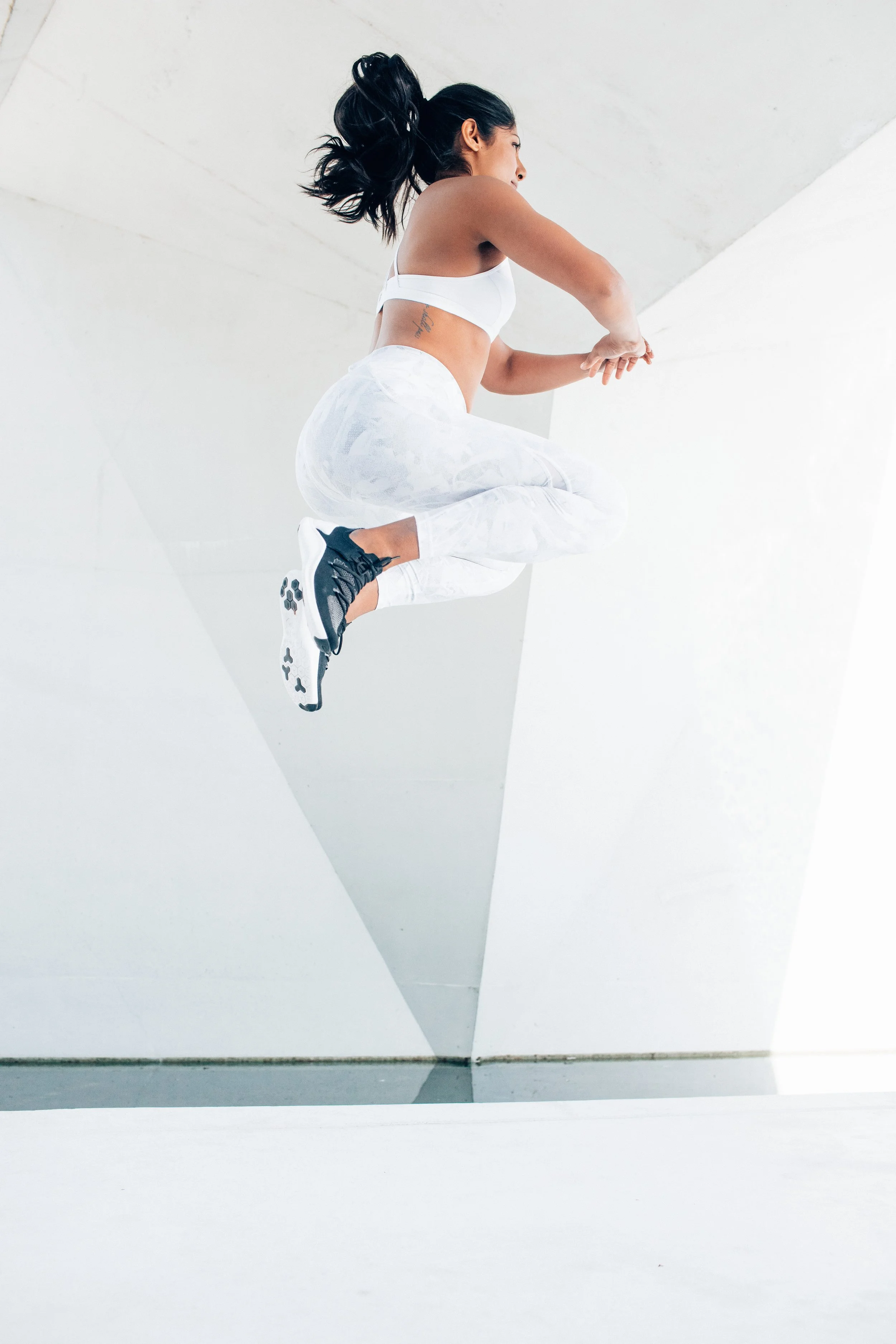
Location as part of the story
Whether it’s a track, a gym, a beach, or an urban space, location is never just a backdrop. It contributes to the narrative.
A concrete parkade feels different than a forest trail. A university track carries a different energy than a private studio. Each space adds its own layer of meaning to the final image.
Choosing location is always about asking: what environment reflects this person’s relationship to movement?
The human side of fitness
At some point during every shoot, the surface drops away. The performance fades. What’s left is a person fully present in their body—focused, tired, energized, sometimes all at once.
That moment is what I look for.
Because fitness photography isn’t really about fitness alone. It’s about resilience, identity, and how people show up for themselves over time.
Final thought
The strongest fitness images aren’t about looking strong.
They’re about feeling strong—honestly, imperfectly, and in motion.
That’s what makes them real.
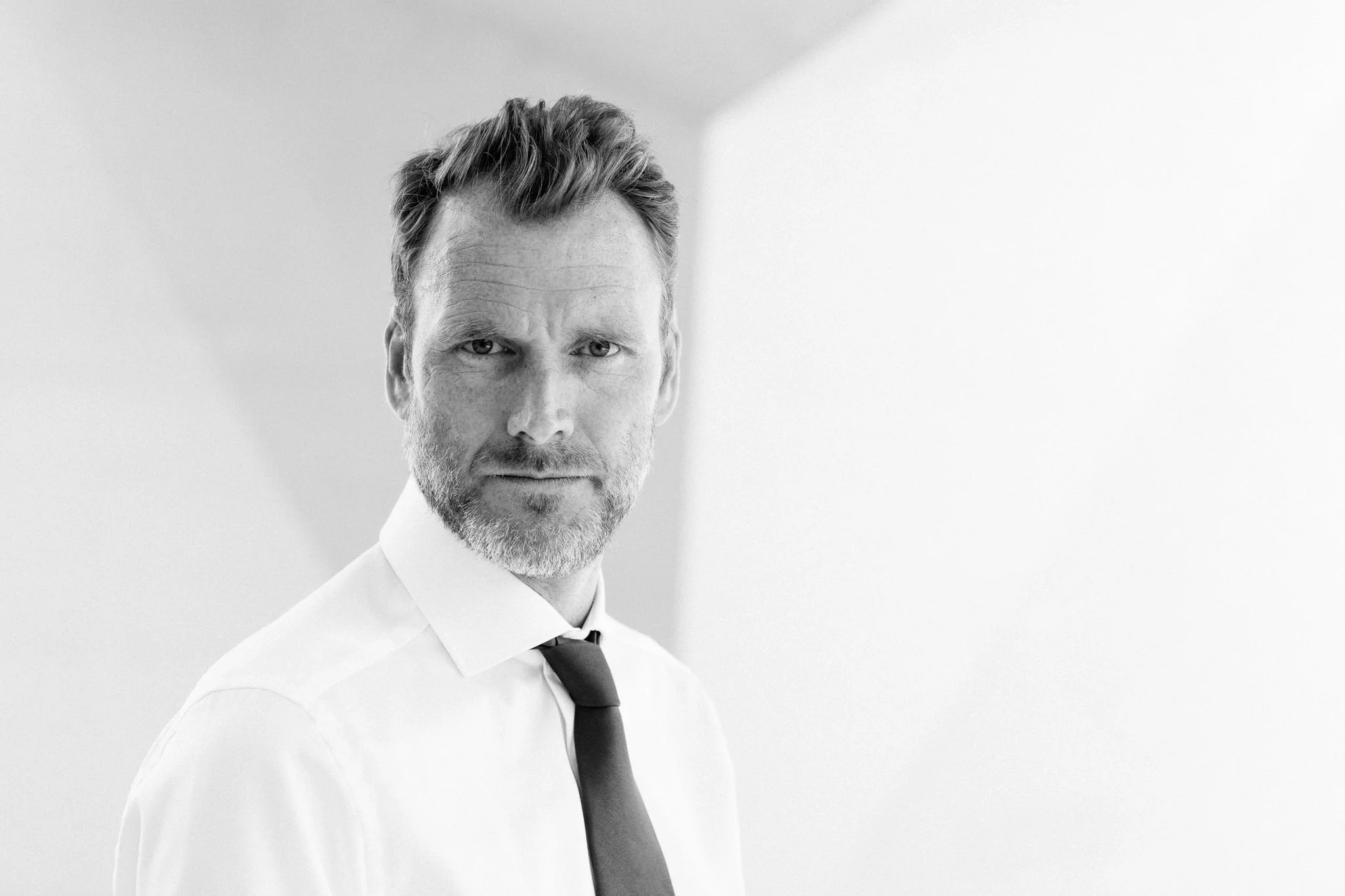
A photographer's top tips for preparing a personal brand photoshoot.
First and foremost: Define who you are as a brand and have a clear vision of your photoshoot objectives. What are your values, mission, style and unique selling proposition? How to you want to present yourself and be perceived by your audience?
Make yourself a mood/vision board: Pinterest is a great tool for creating a clear visual communication that you can use for adding images that inspire you as you work on creating this vision easily sharing it with your photographer and other artists that might be working on the day of your photoshoot.
Select your photographer wisely: Look for a professional who specializes in personal branding and who’s style and aesthetics aligns with your brand and your voice. Find someone who has experience working with brands, entrepreneurs and professionals.
Plan your looks: Selecting clothing can be hard for some people and if you have the budget, an industry professional wardrobe stylist can be a great option. If the rates are out of your budget, asking for input from friends and even doing some shopping with the option to return the garments after your shoot is a good way to go. Photographers and stylist do it all the time. They shop, keep the tags on, make sure to be mindful with the items on the day of the photoshoot and then just return everything. Keep in mind to choose outfits that are consistent with your brand image and colors that will elevate your website if you have a color pallet associated with your products and branding.
Not all clothing translates well on camera: I always tell clients plan on bringing more than you need … just in case. Avoid busy patterns, large logos, or distracting accessories.
Strongly recommended: Since you’re investing into professional photography, at the very least, I highly recommend hiring a professional artist for your hair and makeup. Even if you’re used to doing your own and consider yourself well versed in makeup, having a pro on set is so valuable. Most photographers usually have a list of their favorites and having a team that is used to working together and understand each other’s cues can be so helpful.
You will need to select your location: Consider a location that can provide a visually interesting backdrop for your photos. Find a place or maybe it’s a couple of places that will be complimentary to your outfits, in your branding and speaks to your target customer.
Have your shot list: This is a must! Make sure you have list of shots that you want the photographer to capture during your shoot. It can be anything from headshots, product and/or lifestyle shots depending the type of business run or the brand you represent. If you provide a service, you may want to dedicate a portion of the photoshoot to lifestyle images of you actually physically interacting with your clients at the location of your business. This could involve more logistical planning but can provide highly engaging content for your website and social media.
Posing: Hopefully you have selected a photographer is good at helping people pose for the camera specially if you are someone who’s not used to being in front of the lense. make sure you ask. As silly as it sounds, practicing posing in front of a mirror can be very helpful in helping you see what you might be doing with your head and body. Watching the pros do on TV or Youtube is also an option. Mostly, just have fun with it! try to keep it fun and loose and move around. Most photographers are shooting in digital format and you only need a few great shots of the same outfit, so it’s better to try to give the photographer posing options then standing in front the camera and not moving. Don’t overthink it to much and don’t be shy to ask for guidance.
Sleep tight and don’t let the bedbugs bite: You want to show up well-rested and hydrated leading up to the photoshoot. An industry trick for women specially, is to ice your face before you head out the door. It will help reduce any puffiness. If and hopefully you have a makeup artist on set, all you need to do is show up with a clean, well moisturized face and dry hair. They will work their magic! And, a side note for those women who are not used to wearing much makeup, it never looks as heavy as it feel on camera. And a word of caution … if there is something you don’t like about your hair or makeup, please speak up and communicate with the artist. It’s much easier to fix or change something before taking millions of photos, then to try to fix things in post productions with photoshoot.


May 1st, 2023 . Brand identity and creating content that speaks to your brand.
When it comes to building a brand, compelling images are an essential tool for creating a cohesive and recognizable brand identity. As a photographer, I understand the importance of images in conveying a message or story. Your branding is the personality behind your products or services and the images that your company puts out to the world has to resonate with your target market … your persona. Visual elements like colors, typography and your logo tell the story of your brand. Whether your selling physical products or a service, images are arguably one of the most powerful components of branding to help show your potential clients who you are as a brand by displaying a visual story … and if done right they can get a clear understanding of the brand's offerings, values and mission without even reading a word. Strong images can really help establish an identity and voice that helps you shine over some of your competitors and build a framework of loyal and repeat customers that connect with you and your brand.
You want to hire a photographer that has a body of work with a style that aligns with the aesthetics of your brand can help create a consistent look and feel across all platforms from your website, social media profiles to your business cards and product packaging. Using your phone and other friend’s a family to take snap shots does not equal the value that a photographer can bring to a photoshoot with thousands of dollars of professional equipment and the experience behind the camera. They can create a collection of images that tell the story of your brand that will speak to your audience.
Professional images are such an important component of brand recognition and can really help make a strong impression. Good quality images elevates a brand, creates trust and helps build brand awareness. Even if your target client doesn’t purchase the first time they discover your product or service, they will at least be likely to remember you as a well polished brand that had a clear communication of what your brand is all about.
Whether you’re professional providing a service or have service and/or product based brand, you need to create a story that will resonate with your potential clients and stays consistent across all platforms and sales tools. People don’t buy products only on the fact that they work, they buy products because they identify with the brand’s image, values and mission.
High-quality images can increase engagement on social media and other digital channels, helping to build brand awareness and attract new customers. If your visual message is consistent, they are more likely to remember you when they are ready to buy or hire your services.
Here’s what to expect if you decide to hire a professional photographer to work with:
A consultation phone call to talk about your vision and photographic needs.
A good photographer will ask that you provide them with visual examples (websites or social media accounts you admire or a Pinterest page as mood board). This helps get both the client and the photographer on the same page and establish clarity on the look and feel you are hoping to achieve from a photoshoot.
Them comes an estimate with the photographer’s rates, then maybe followed by a conversation about what kind of budget you are working with and how many deliverables you hoping to get from this photoshoot. Sometimes it’s easier to problem solve the budget together until you can come to an production cost that works for you, the client, while also being respectful of the photographer’s time, equipment and expertise that person is bringing to the table.
Then you plan the shoot: Will it be shot in studio or on location somewhere? Will you need models, makeup artists, wardrobe stylist or will it be smaller production with just you and your products?
Keep in mind the cost of a photoshoot with a professional will not only depend on how long the shoot lasts and how many final images you expect but also on what responsibilities the photographer is in charge of to put together this photoshoot: location scouting, model research, finding props or putting an entire productions team together.
Depending on the photographer and the size of the production, you will likely need to pay 50% up front to confirm the day and time of your photoshoot in case they need to turn other work away and usually you will pay the balance upon deliverables.
Always have clear directions on your timeline for final images and make sure they can deliver the images on time specially if you have a product or website launch date.
It’s always a good idea to have a list of shots for your photoshoot so you can tick them off as you shoot to ensure you don’t finish your photoshoot only to realize you forgot some important images you need.
Because of the popularity of social media and behind the scenes, it’s not a bad idea to make sure you capture some real time behind the scenes while on a shoot as often these shots get some much engagement and be sure to show your personality. People like brands and products that have personality that they can relate to.
Here is an example of a shoot for a client with a telling a story with a cohesive look, feel and style.


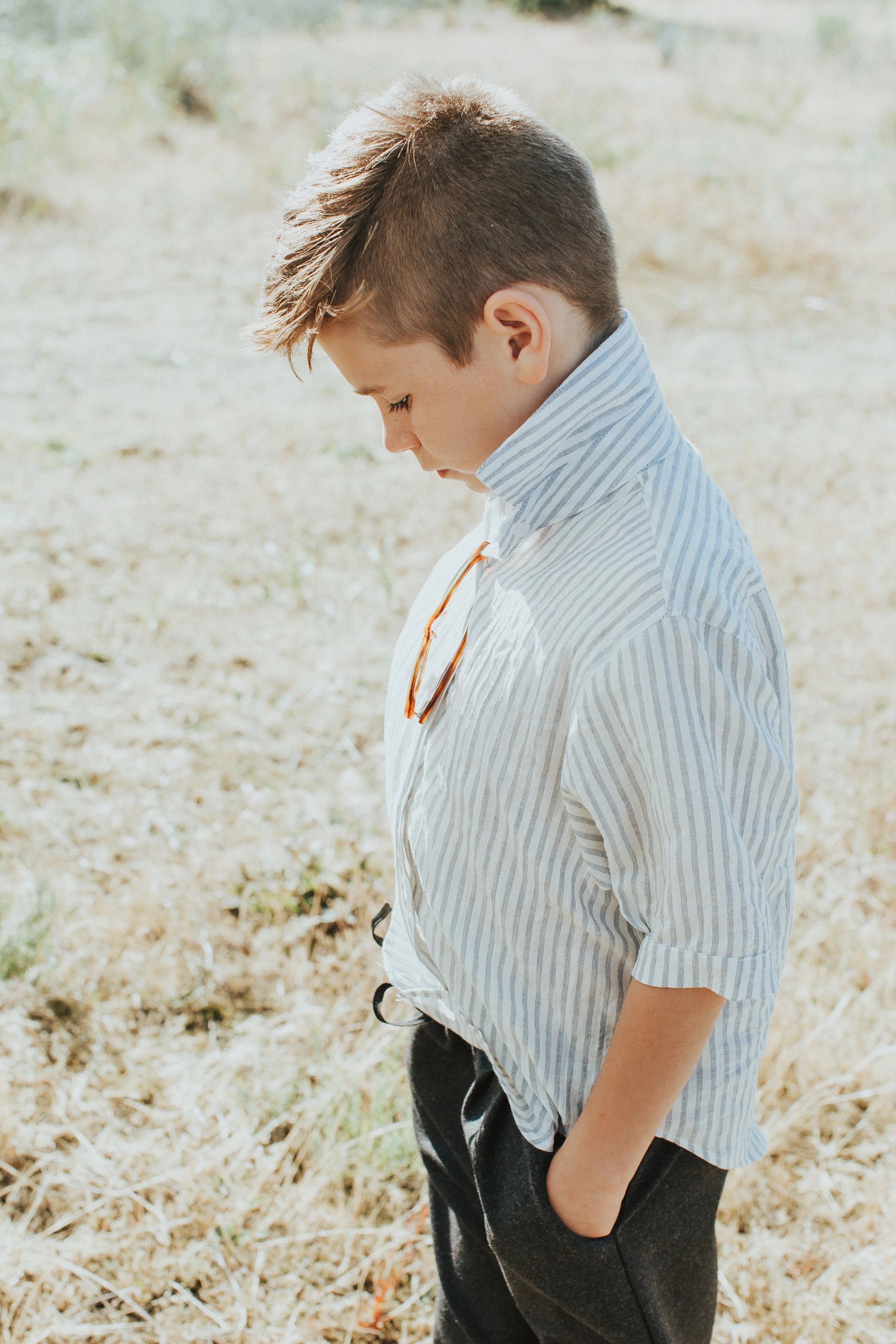
A PHOTOSHOOT WITH PLEY CLOTHES . KIDS FASHION PHOTOGRAPHY
A photoshoot for kids fashion apparel Pley Clothes in Vancouver with owner. designer Carlie Condon, art director Jamie Anderson and photographer Anick Violette.
Kids Fashion Photoshoot . Vancouver . June, 2018
Last June, I had the pleasure offing the photography for a new kids fashion brand, Pley Clothes. I worked closely with fashion designer, Carlie Condon and talented art director Jamie Anderson on a two day photoshoot for for the launch of the new brand. We had several meetings leading up to the two day production to discuss vision, intention, models, props and color grading of the final images.
Both Carlie and Jamie wanted to keep the photography very loose, natural, candid to represent the name and identity of the Pley Clothes brand . They didn’t want a very produced look to the imagery, so we decided to shoot without natural, available light even thought we knew we would likely be working in harsh mid-day sun. I suggested using large scrims but that meant we needed a crew and the budget didn’t allow for 2-4 extra hands on deck.
The first day of the photoshoot happened on a beautiful horse farm in Langley. The place was owned by a older lady who was a retired race horse trainer who so gracefully let us use the property for the photography with the kids and the horses. The place was flawless but the bugs were terrible. They were like kamikazes, dive bombing and attacking us from all direction . It made the day a little challenging trying to keep the kids smiling while under attack but thankfully the horses helped dissipate the unpleasant company on our photoshoot. The kids were troupers, we got the shots we needed, thanked the lady and her husband and swiftly left the merciless mosquitoes behind.
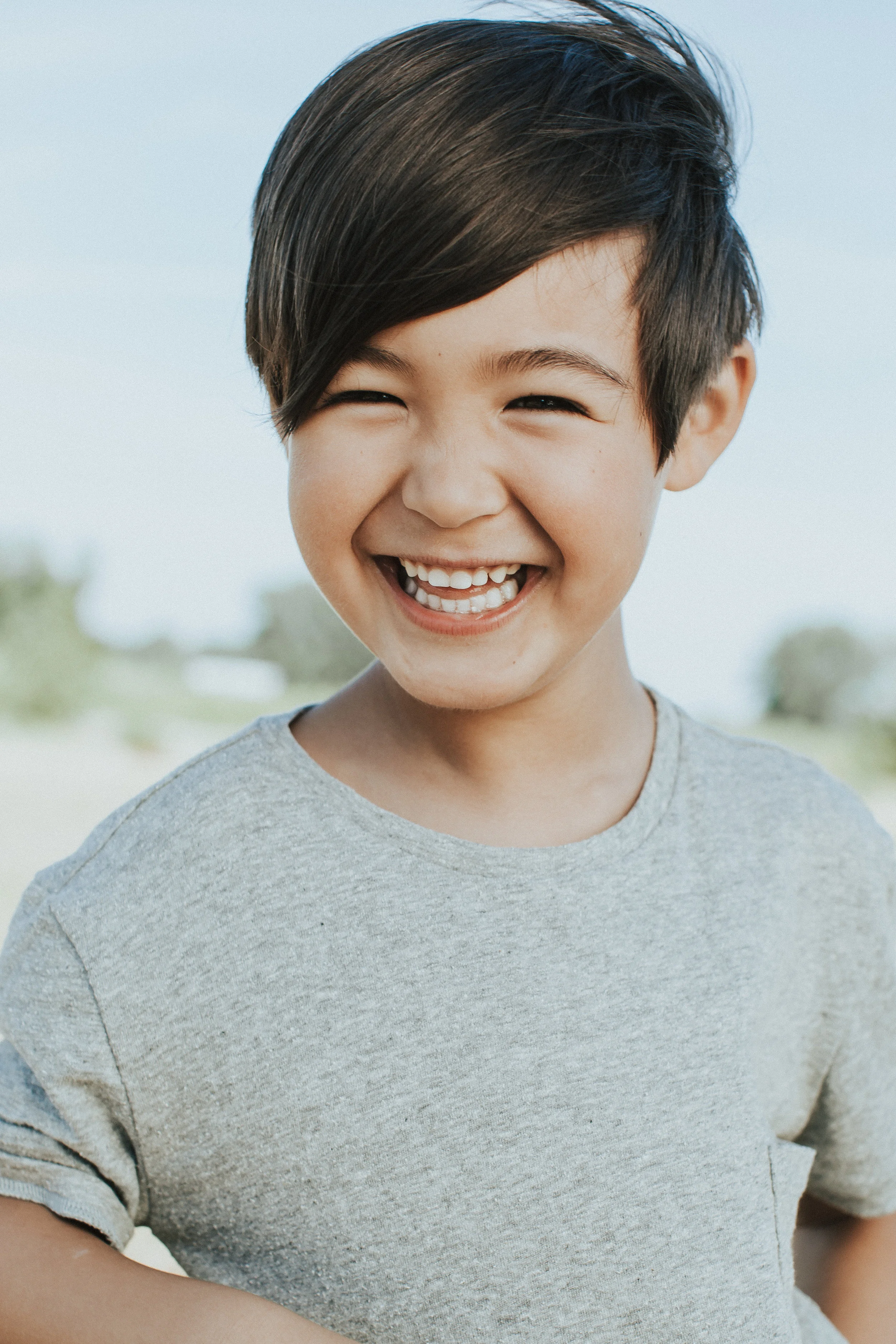
The second day of the photoshoot was a bit more enjoyable with feet in the sand, open fields and kids just having fun in the sun. There was some direction involved by most of the photoshoot was just documenting the play and action around me.
Check out PleyClothes. They are beautifully made from the finest Italian and Japanese fabrics and produced locally in Vancouver. Genderless, simple yet refined neutral fashion made with thought and integrity.





A PHOTOSHOOT OF VANCOUVER'S DOUGHGIRL'S BAKESHOP
A lifestyle photoshoot of UBC’s Doughgirls Comfort Kitchen and Bakeshop for company advertising and branding with photographer Anick Violette.
Photography . Doughgirls Bakeshop . Vancouver . December, 2018
Looking for some comfort food, artisan breads or old-fashion baked goods? Doughgirls is your place if you’re up on the UBC campus in Westbrook. I recently had the opportunity to photograph their operation. They have the best cheesy kale scone breakfast sandwiches. It’s not a big place but the atmosphere is good, eclectic music, friendly staff and the goods are good! It’s my go to place for a coffee and a soup on a winter rainy day or early morning during the summer to sit outside. It’s the perfect spot to stop in if you’re going for a long ride or walk through the UBC Endowment Lands. They have croissants that actually has just the right amount of crunchy on the outside and the buttery softness on the inside. Being from Montreal, we get a bit spoiled when it comes to croissants and baguettes. The owners definitely know what they’re doing and it was amazing to be witness to the production behind the scenes of the little but quaint cafe and bakery! It takes some serious dedication and passion to run a bakery, where I’m assuming the call time for staff is well before most of us get out of bed. I mean, by the time we roll into the coffee shop for our freshly bake goodies and double “whatevers, these people have already done enough foot steps to fill there quota for the day. Not only does it all smell good but everything is crafted to look so pretty and so insanely irresistible, you might as well forget your early morning calorie burning session at the gym. They will, without a doubt, give you momentary amnesia to let yourself enjoy the next moment of absolute delight!


