headshot photographer

May 13th, 2026 . Fitness Photography: Capturing Strength, Movement, and Real Energy

Fitness Photography: Capturing Strength, Movement, and Real Energy

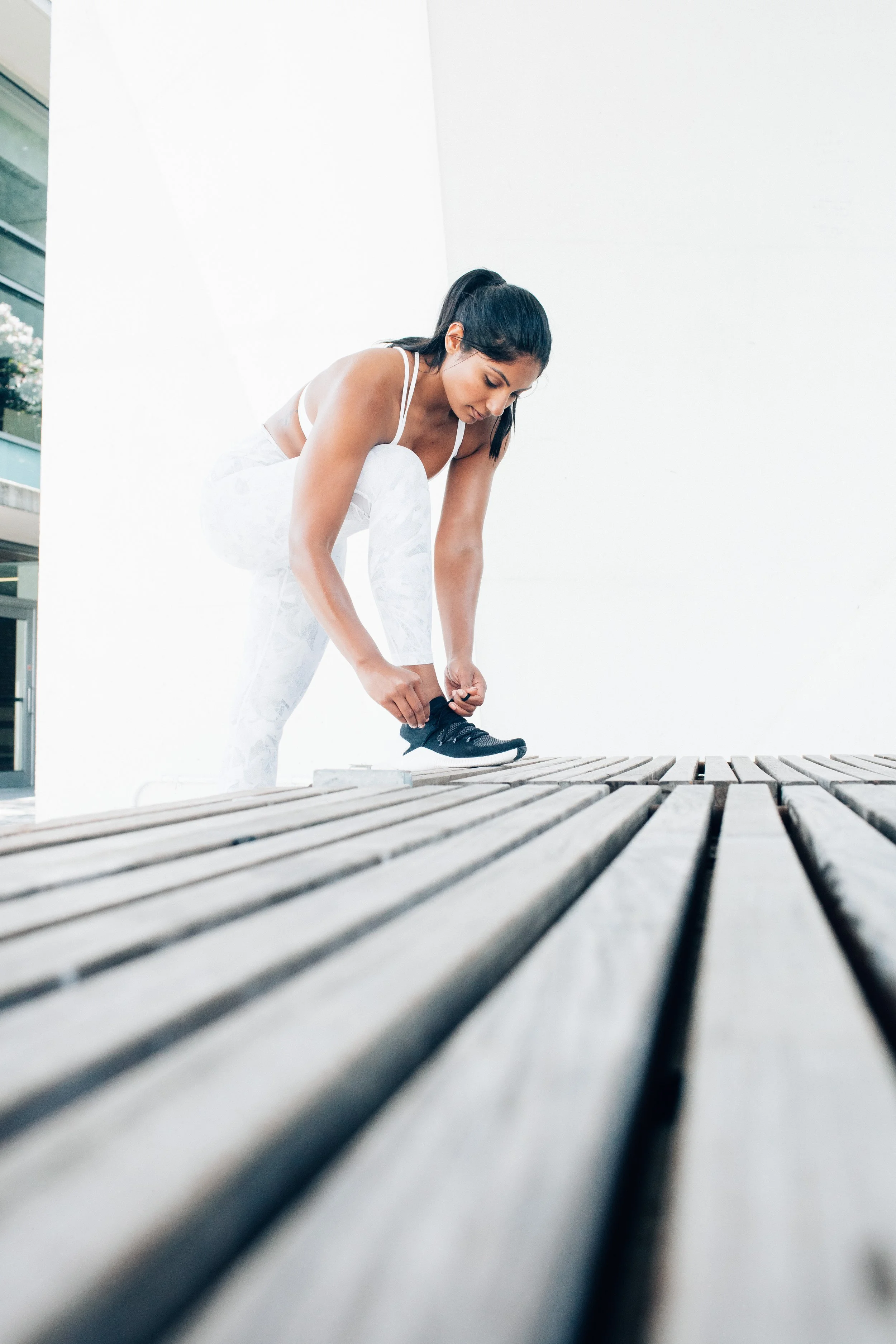
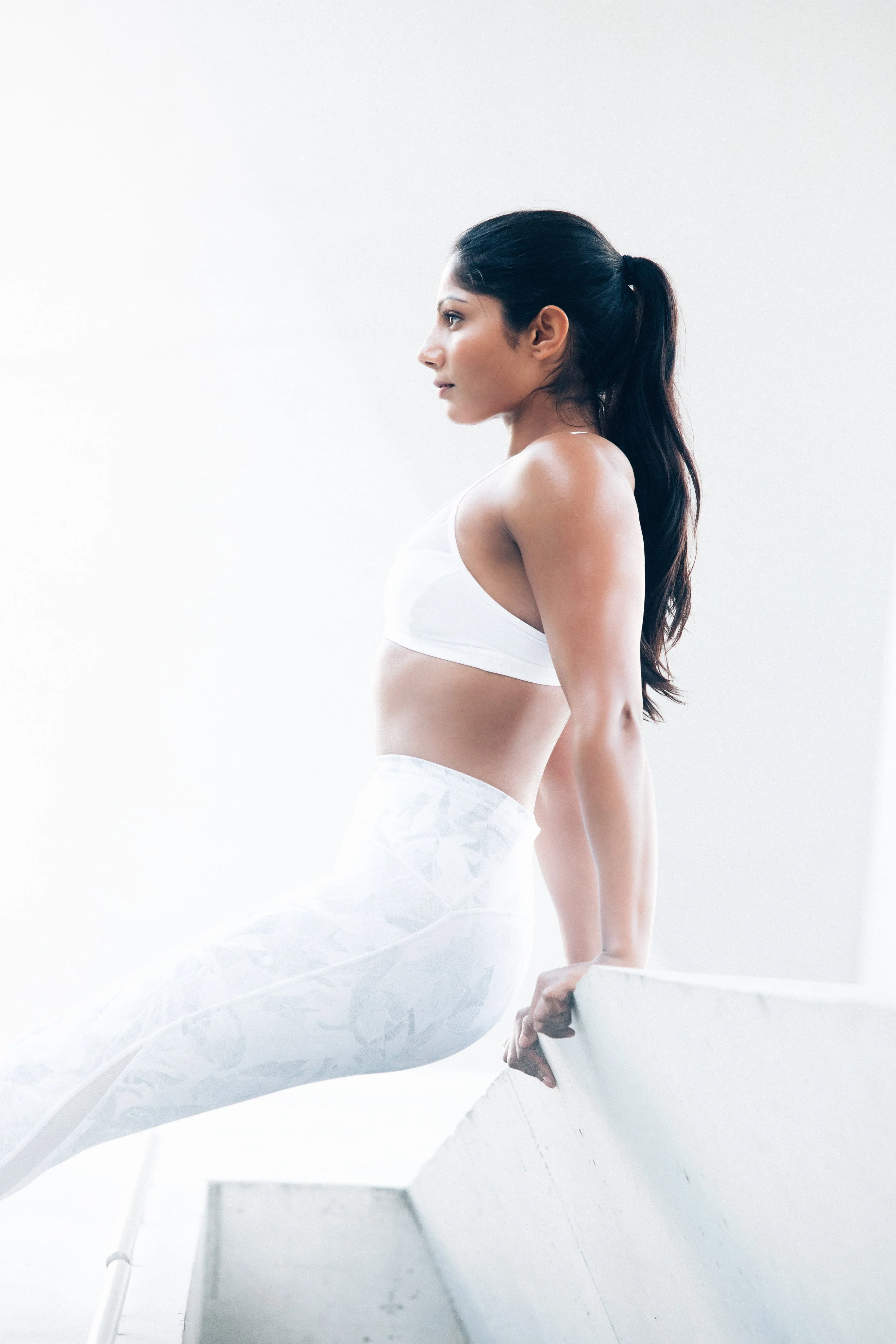
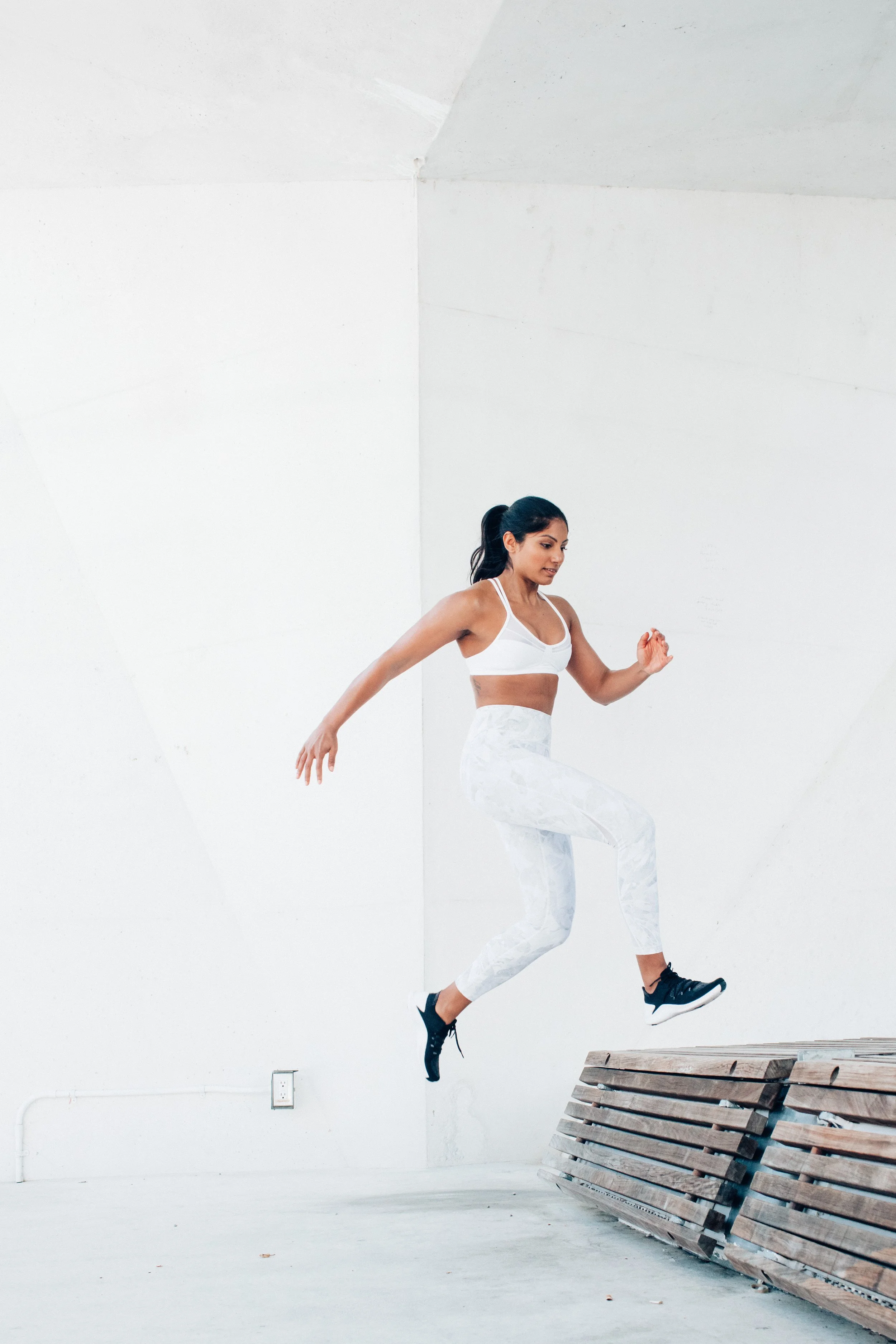
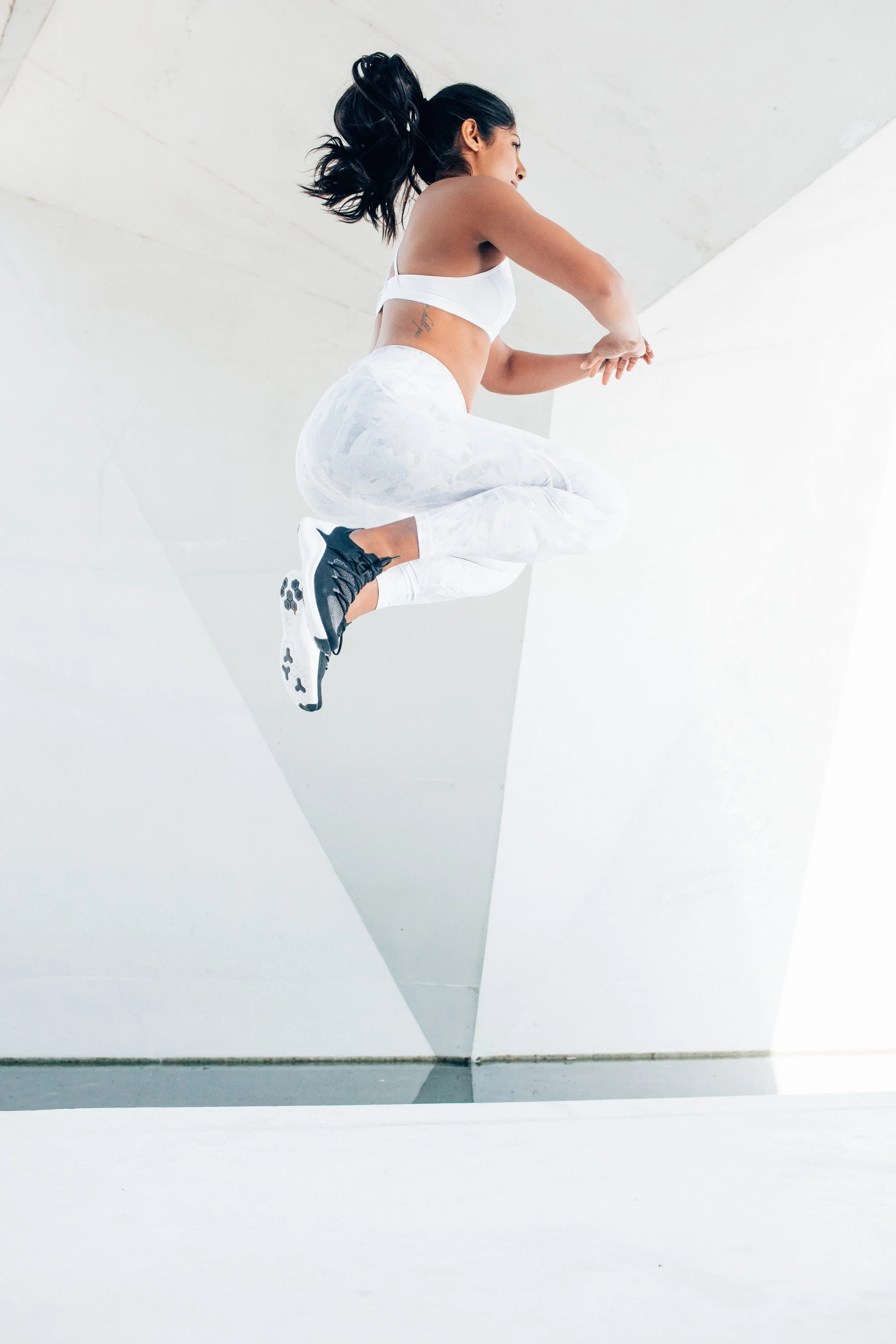
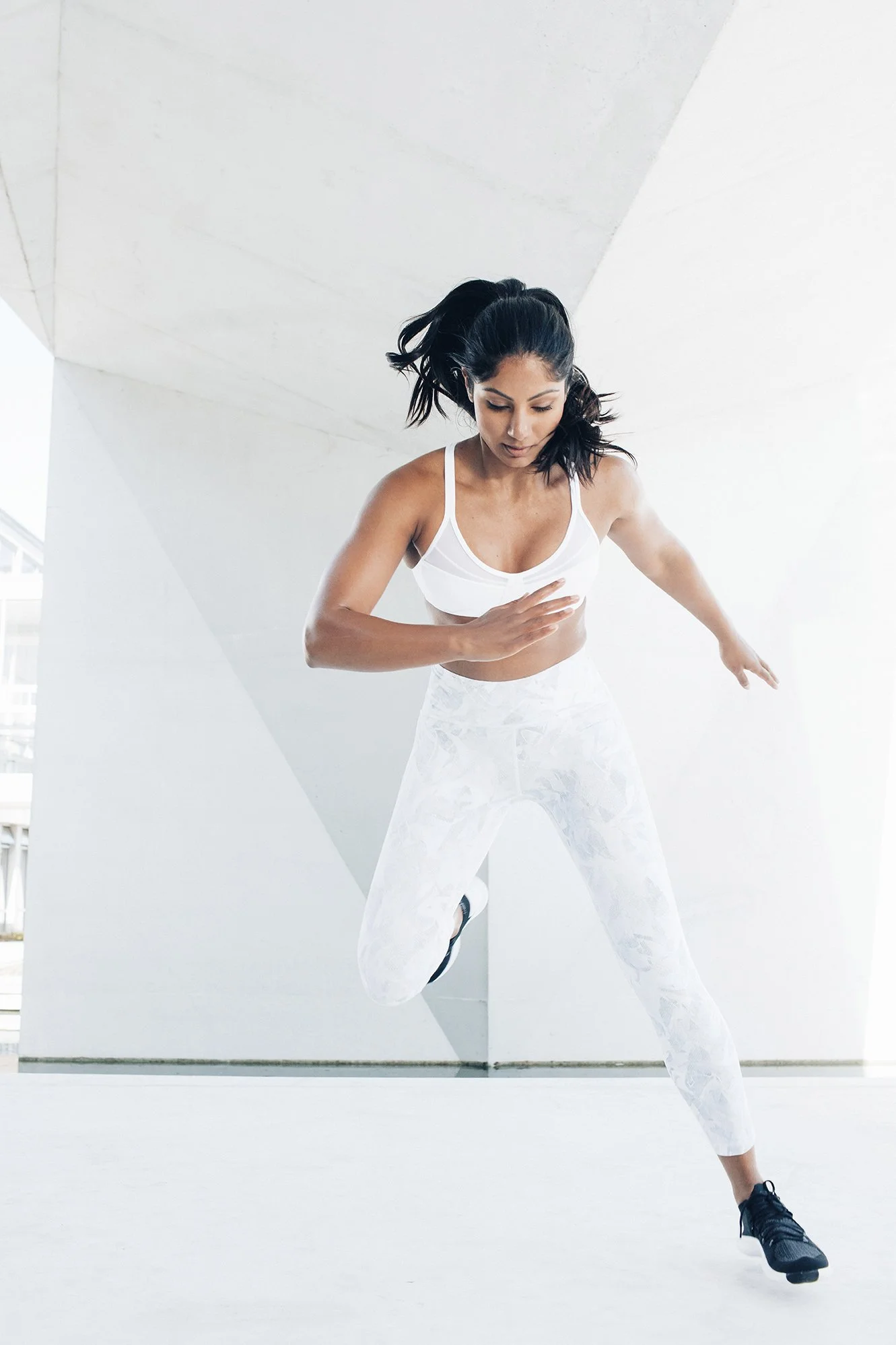
Fitness photography, at its core, is not about perfection. It’s about energy. It’s about that split second where effort turns into expression—where movement, discipline, and personality all come together in one frame.

Over the years, I’ve found that the most compelling fitness images are never the ones where everything feels staged. They’re the ones where something real is happening. A breath between reps. A moment of focus before a sprint. The subtle shift in posture when someone forgets the camera is even there.

That’s where the story lives.

Beyond the “fit aesthetic”

Social media has shaped a very specific idea of what fitness photography should look like—clean lines, posed symmetry, polished bodies under perfect light. While there is a place for that, it often misses the deeper layer: why the movement exists in the first place.

When I photograph athletes or individuals in training, I’m more interested in:

  • the intention behind the movement

  • the rhythm of their training

  • the quiet discipline that doesn’t always get seen

A strong image doesn’t just show what someone looks like. It reflects what they do consistently when no one is watching.

Creating space for real movement

One of the most important parts of a fitness shoot is letting go of over-direction.

Yes, there is always intention behind light, location, and framing—but within that structure, I like to create space for people to move naturally. To run, jump, stretch, lift, reset. That unpredictability is what brings life into the frame.

Often, the best images happen in between instructions.
Location as part of the story

Whether it’s a track, a gym, a beach, or an urban space, location is never just a backdrop. It contributes to the narrative.

A concrete parkade feels different than a forest trail. A university track carries a different energy than a private studio. Each space adds its own layer of meaning to the final image.

Choosing location is always about asking: what environment reflects this person’s relationship to movement?

The human side of fitness

At some point during every shoot, the surface drops away. The performance fades. What’s left is a person fully present in their body—focused, tired, energized, sometimes all at once.

That moment is what I look for.

Because fitness photography isn’t really about fitness alone. It’s about resilience, identity, and how people show up for themselves over time.

Final thought

The strongest fitness images aren’t about looking strong.

They’re about feeling strong—honestly, imperfectly, and in motion.

That’s what makes them real.
May 13th, 2026 Why Personal Branding Matters More Than Ever Today

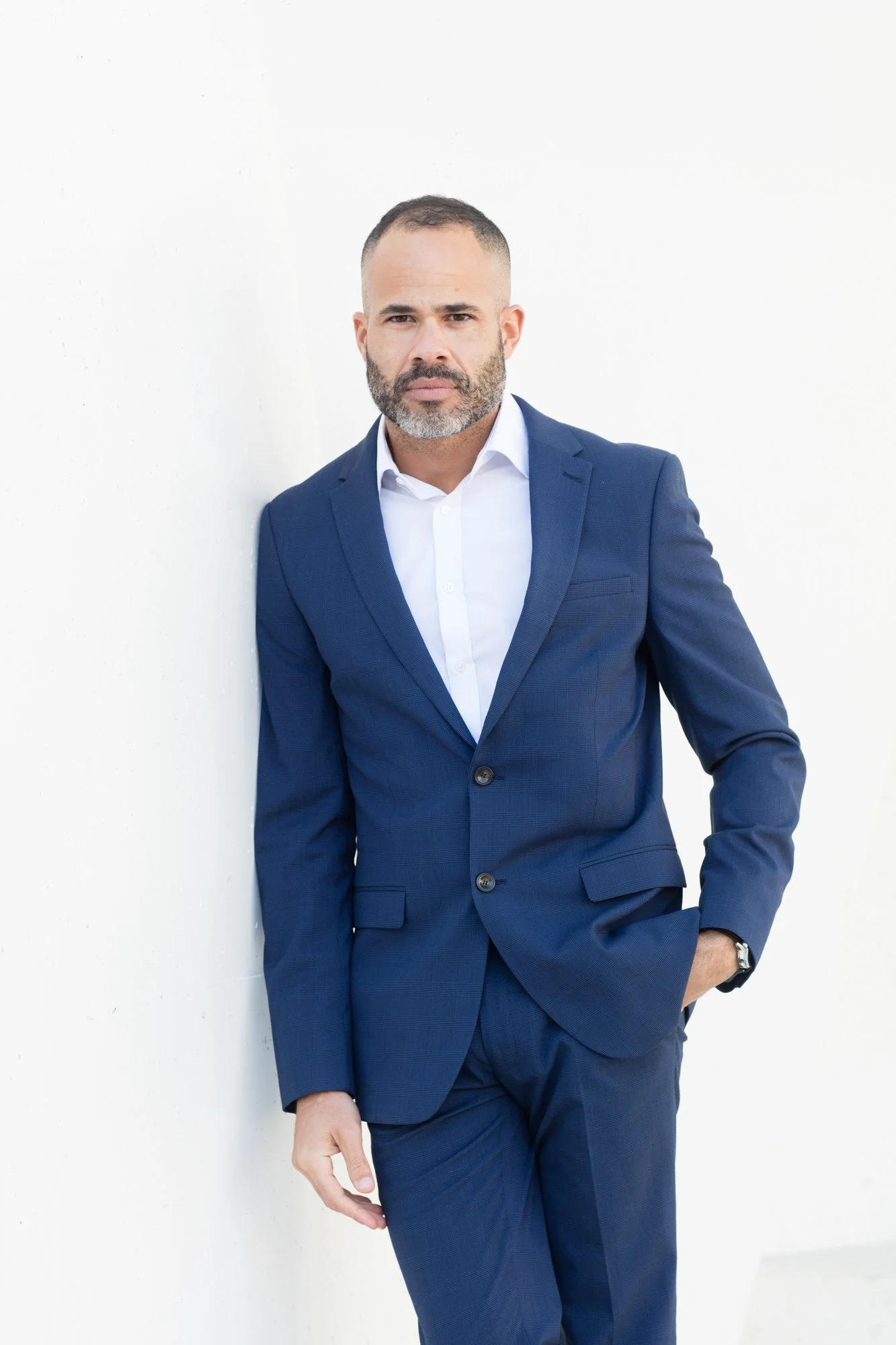
We live in a time where people don’t just “find out” who you are—they search you, scroll you, and decide about you before you ever get a chance to speak. That’s why personal branding has become one of the most important tools for building a career, business, or creative life.

Personal branding is simply clarity

At its core, personal branding is how clearly you communicate:

  • what you do

  • what you stand for

  • and why it matters

It’s not about being polished or perfect. It’s about being recognizable and consistent in how you show up.

Attention is limited, so clarity wins

Every day, people are exposed to thousands of posts, videos, and profiles. In that environment, vague messaging disappears quickly.

A strong personal brand answers three questions fast:

  • Who are you?

  • What do you help with?

  • Why should someone care?

If people can’t answer those in a few seconds, they move on.

Your reputation now lives online

In the past, reputation was built through word of mouth in small circles. Today, it’s built through:

  • Instagram posts

  • LinkedIn activity

  • Google search results

  • client reviews

  • shared content

Even if you’re not actively building a brand, one is still forming in the background.

It builds trust before you ever meet

People feel more comfortable working with someone they already recognize. A strong personal brand creates familiarity, and familiarity builds trust.

That’s why someone can see your work for months online and then finally reach out already feeling confident in hiring you.

It creates momentum, not just visibility

The real power of personal branding is that it compounds over time.

One post leads to another follower.
One follower becomes a client.
One client becomes a referral.

Over time, your brand starts working even when you’re not actively promoting yourself.

It separates you from others doing similar work

Skill alone is rarely enough anymore. There are talented people everywhere. What makes the difference is how you position yourself:

  • your perspective

  • your voice

  • your story

  • your consistency

That combination is what people remember.

Final thought

Personal branding isn’t about trying to become someone else. It’s about being intentional with how you show up so people understand your value faster.

In a noisy world, the clearest voice is usually the one that gets heard.

May 5th, 2023 . A personal branding shoot with a nutritionist.

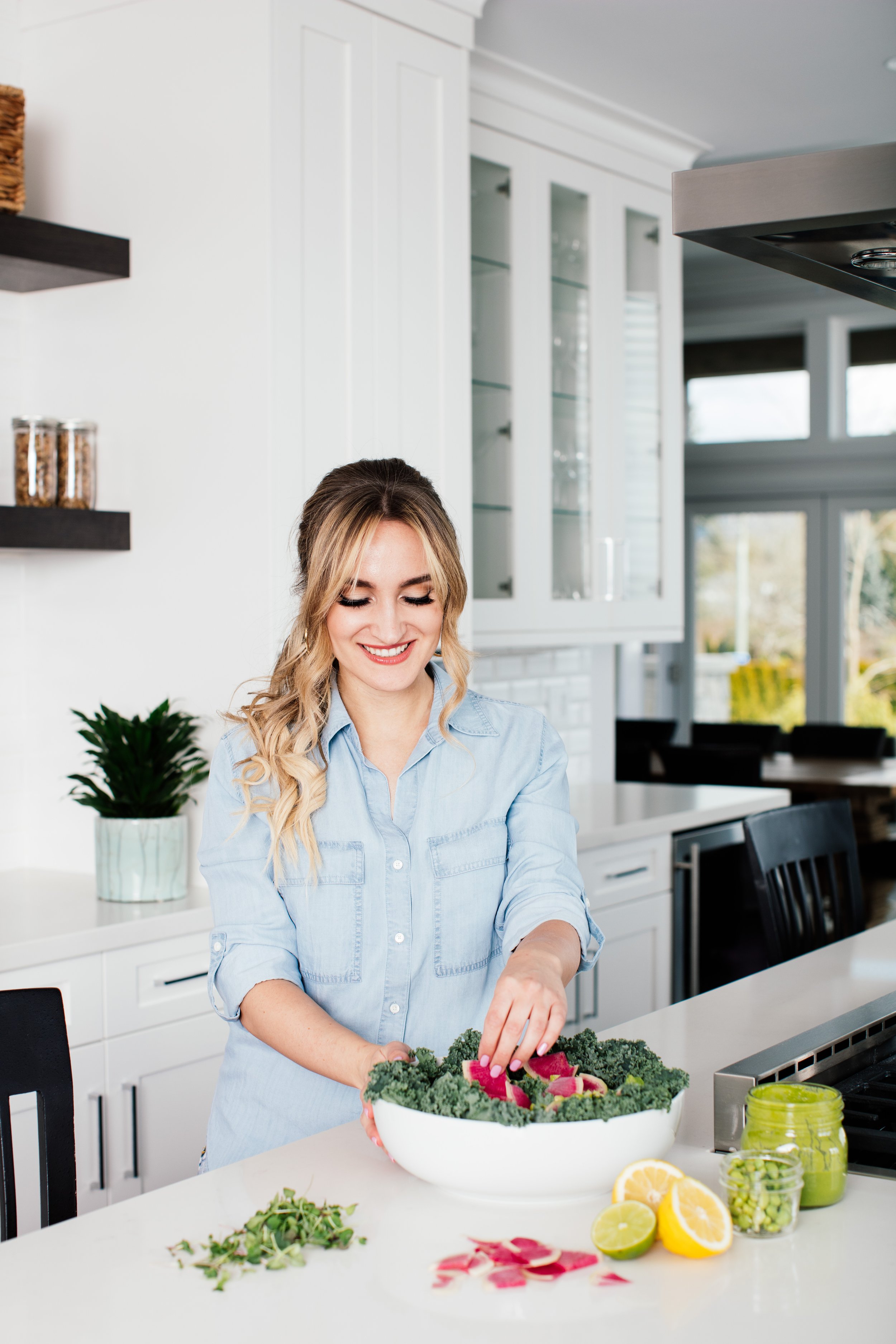
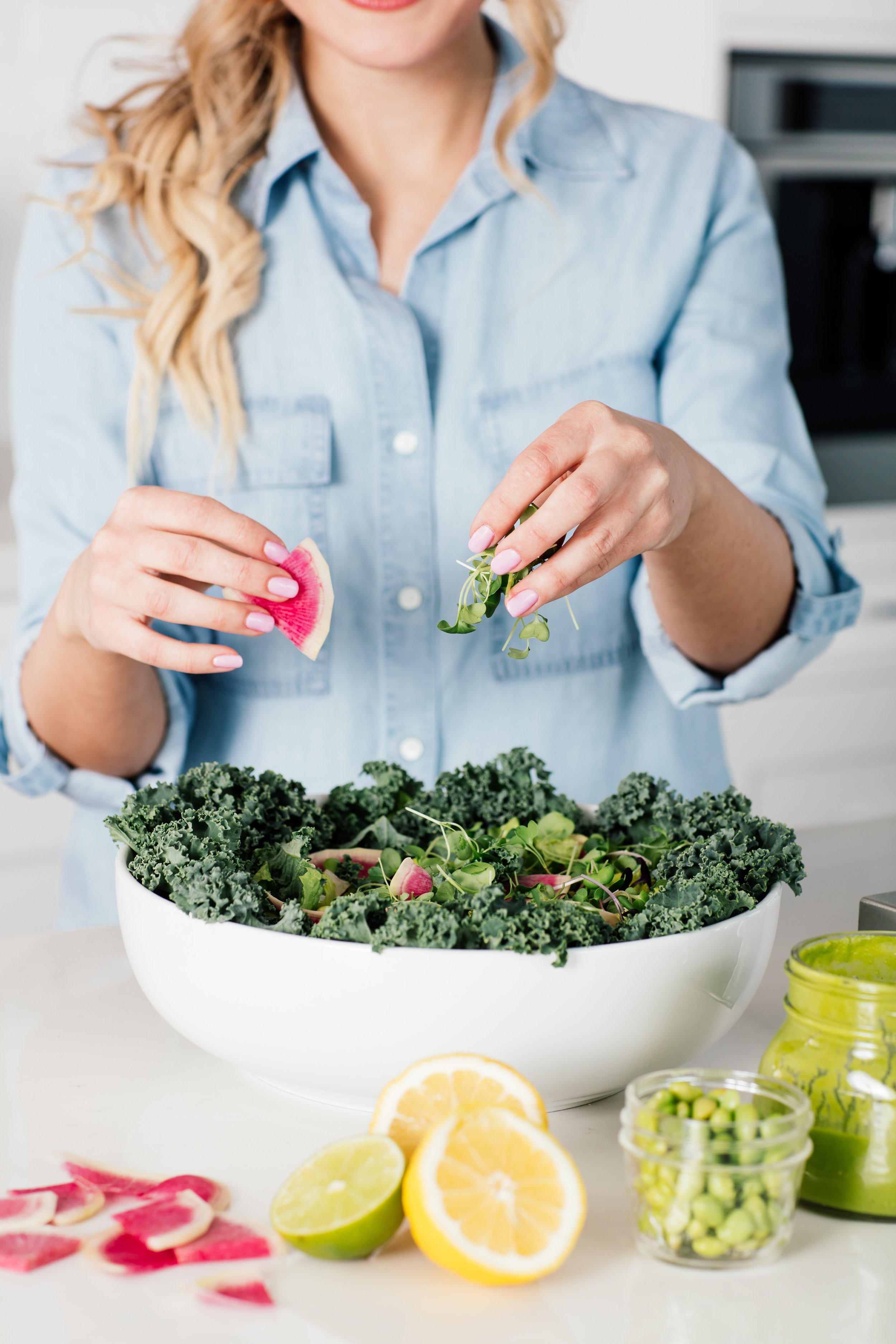
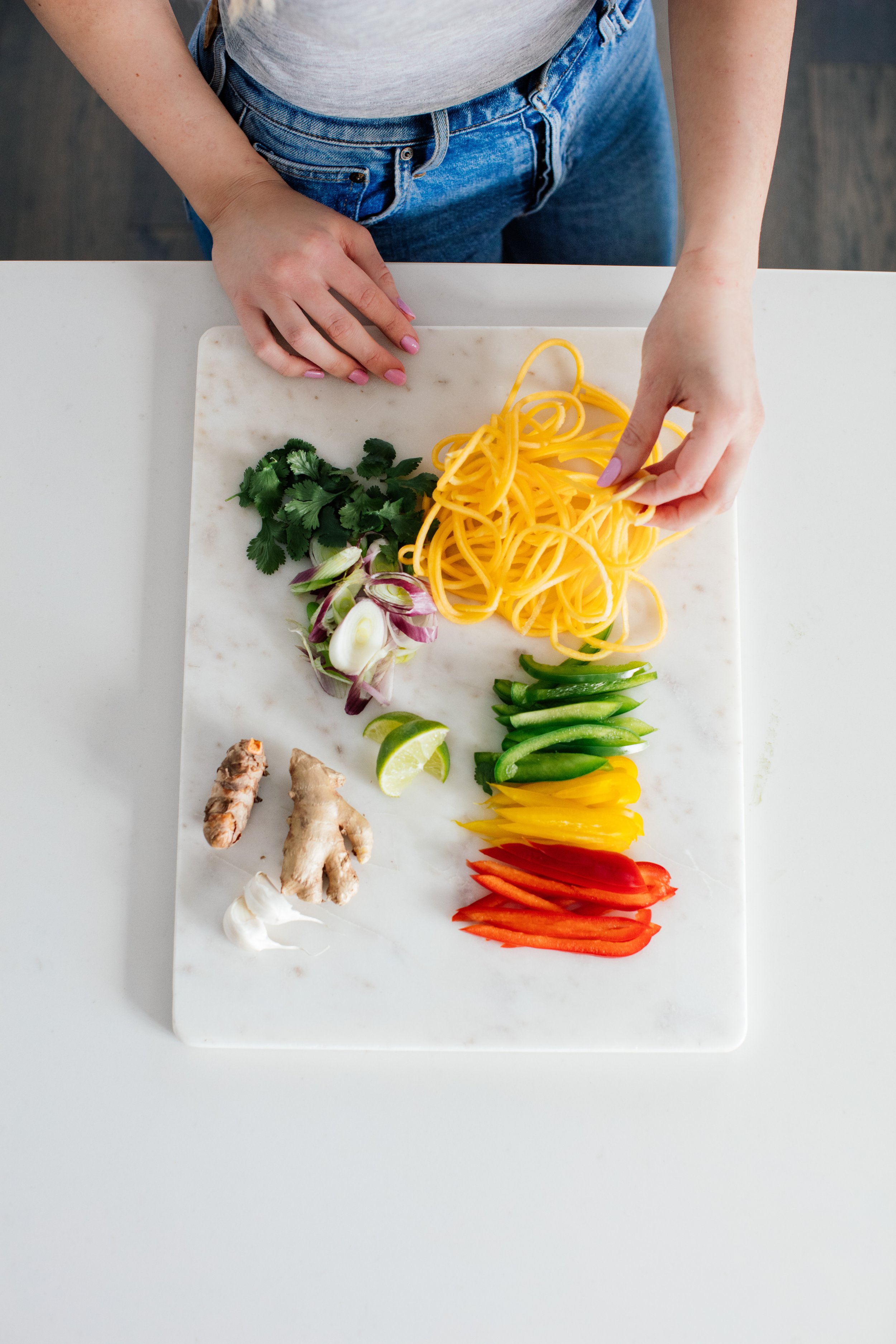
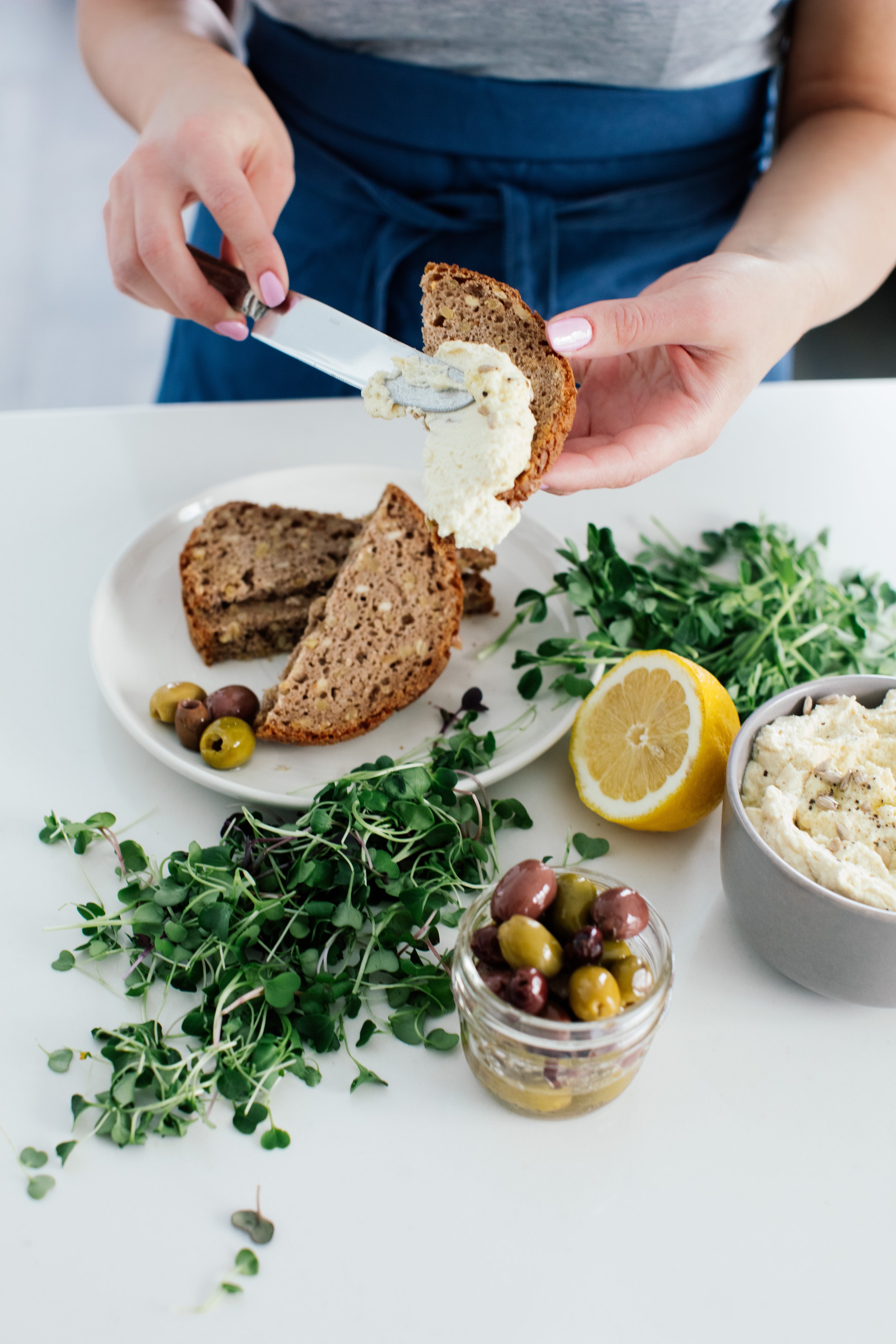
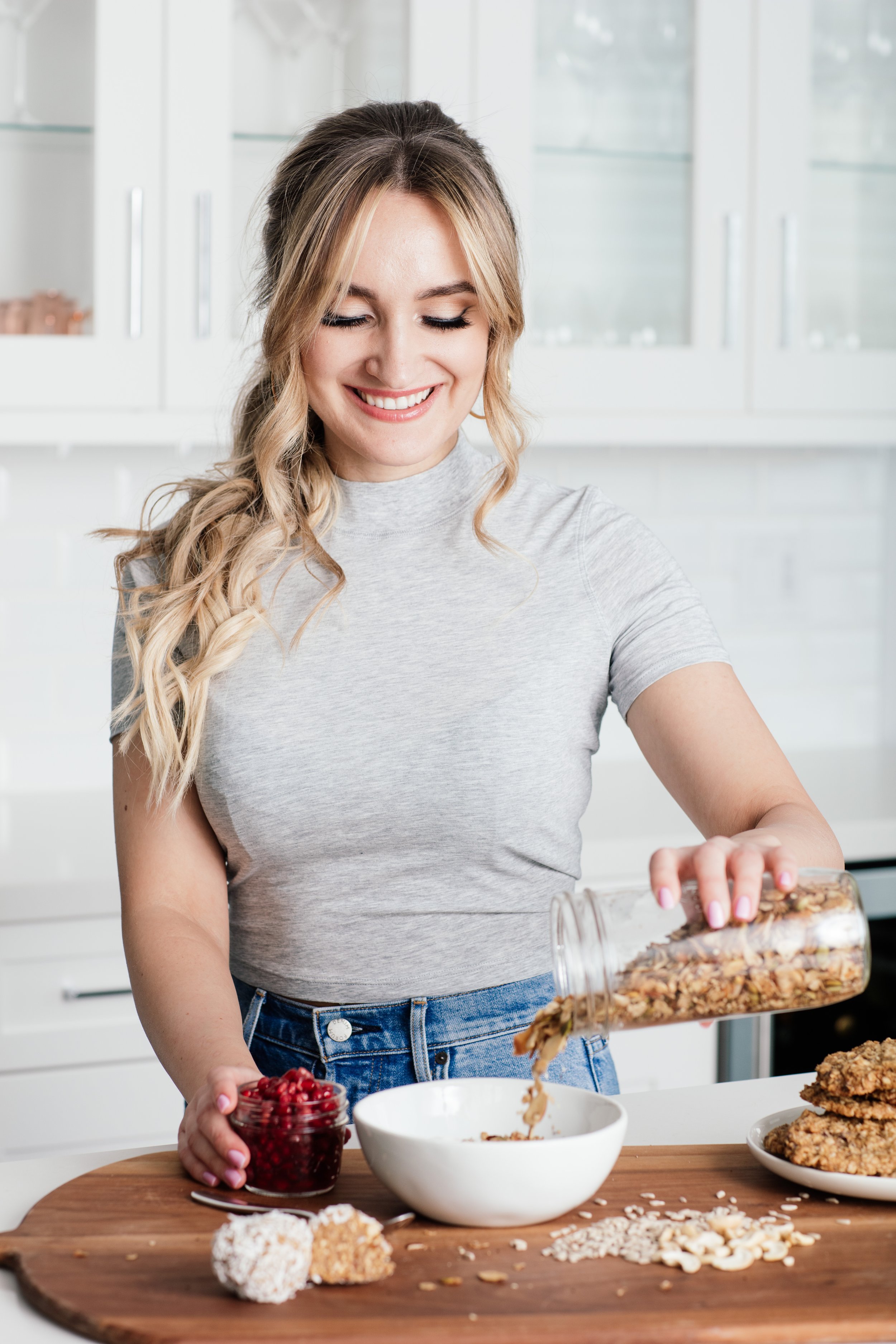
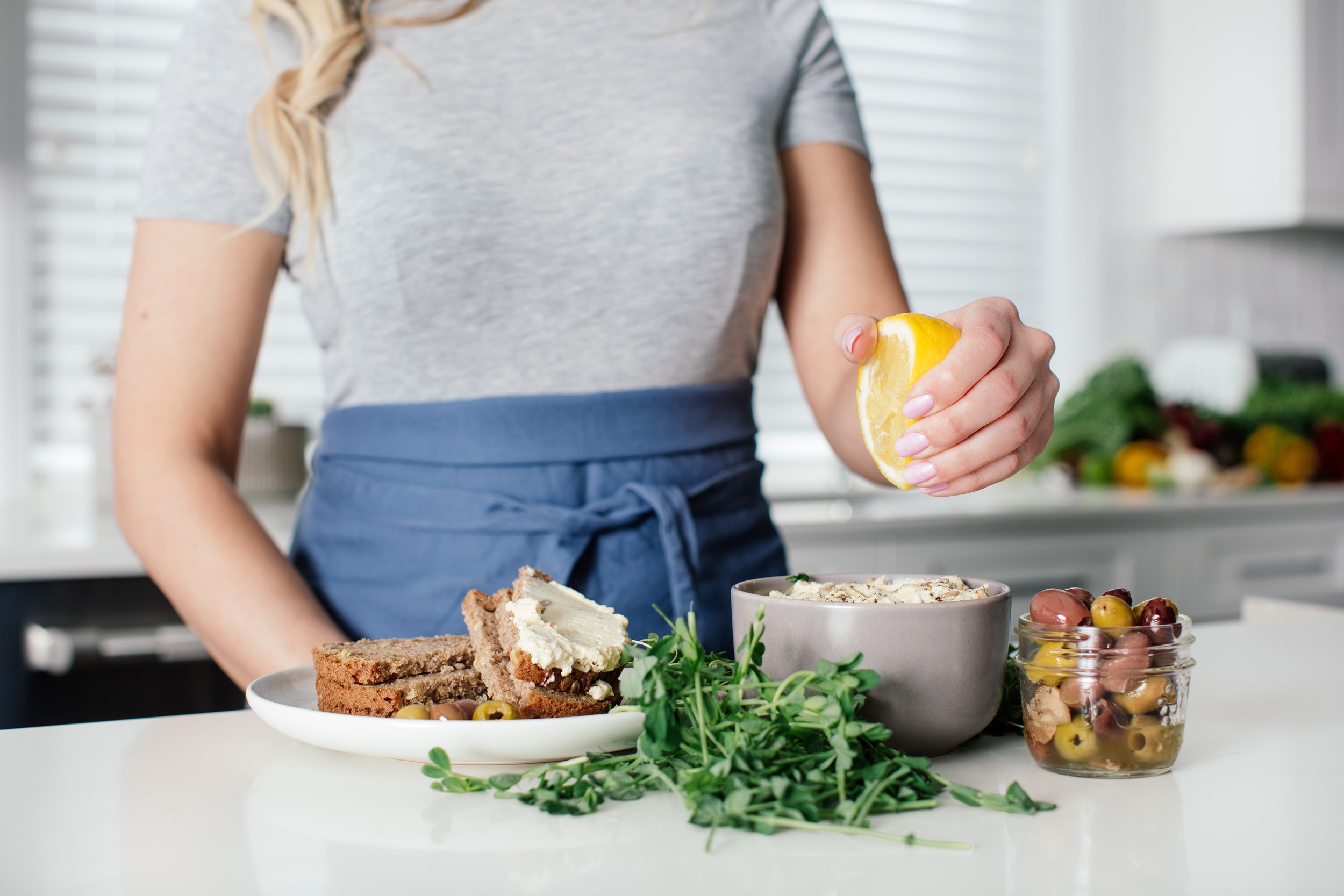
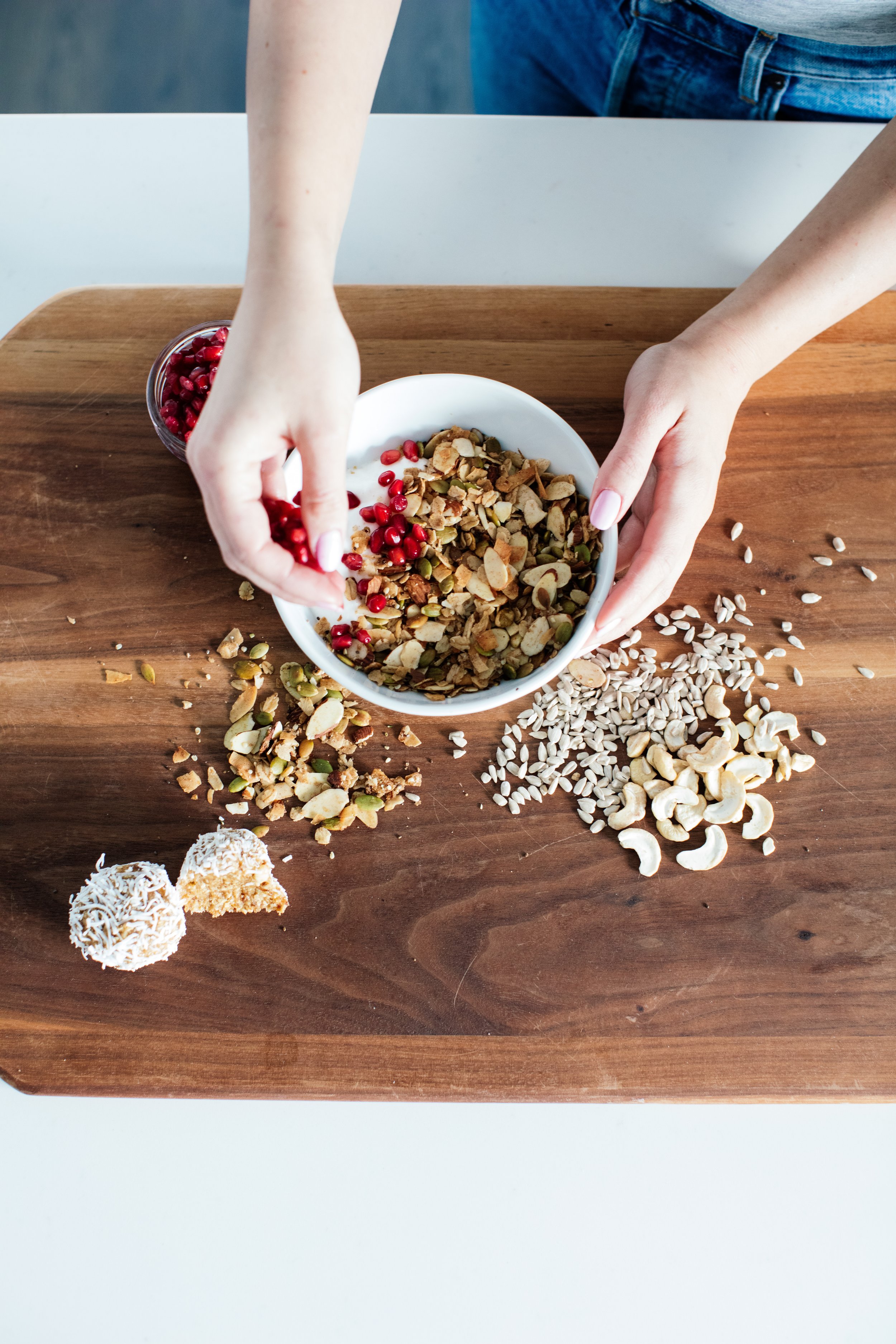
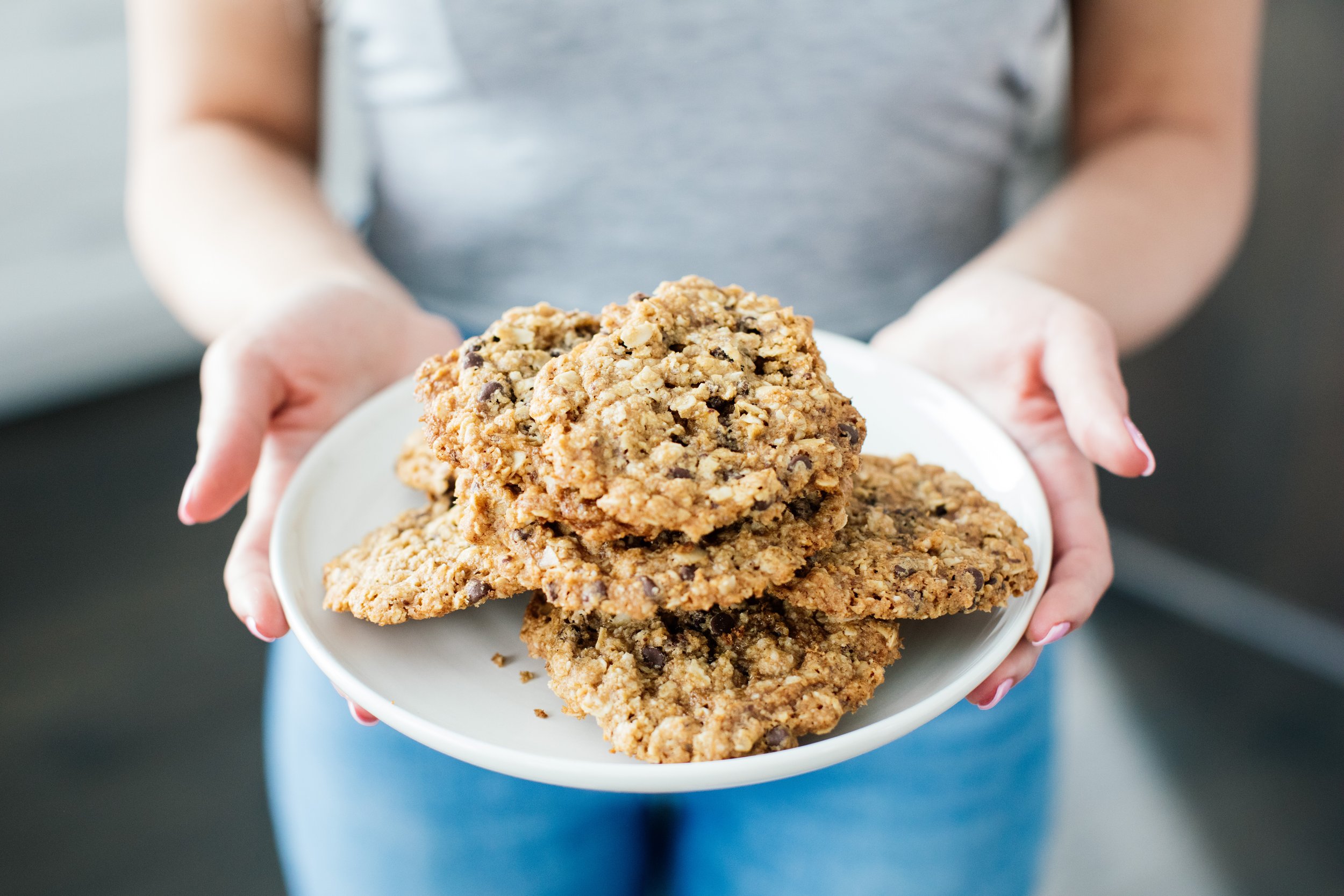
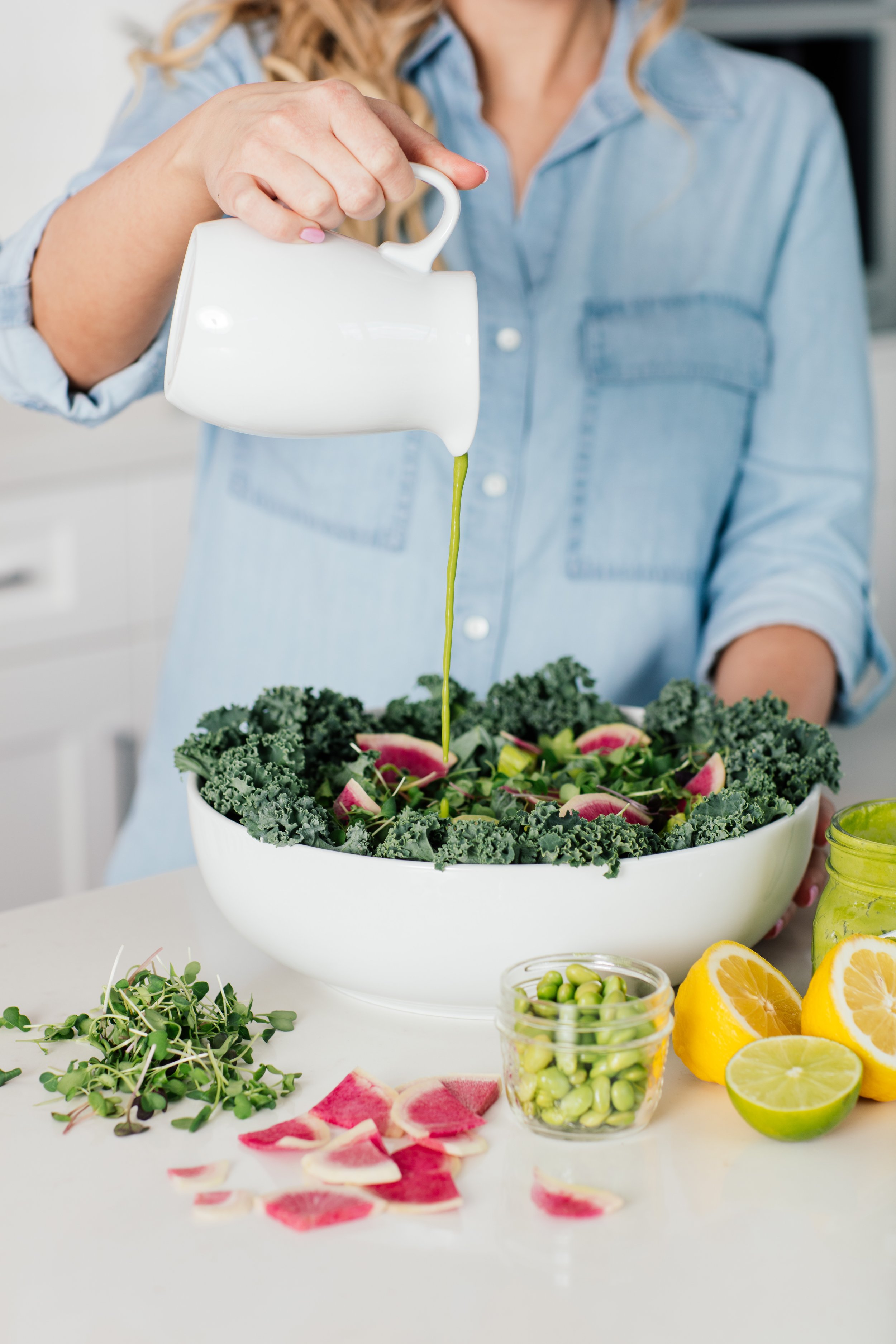
Shooting with nutritionist Rosina Vecchio, was a fun experience. The goal was to capture images that not only showcased her personality and expertise but to promote her approach to food and nutrition. There was a bit of work on her part leading up to our photoshoot with food preparation but also to bring a range of fruits, veggies, ingredients and props. Here are some of thing I go over with clients when planning a personal branding photoshoot.

When working with professionals and branding, we always have at least a couple of consultation calls or meetings to talk about the vision, the mood, the location, lighting, props, makeup, wardrobe amongst other details.

For this particular project Rosina had borrowed a friends kitchen to shoot in which was nice and big, given us space to move around and the ability to create slightly different backgrounds for a variety of shots.

A few things to consider when you plan a photoshoot in a house are:

  • how much ambient light there is.

  • what are the colors you will be dealing with? Is it a neutral tones which is ideal in most circumstances or; are the walls dark or brightly colored which can affect the lighting and cast weird colors on someone’s skin. If there is a lot of color but nice ones, maybe you just need to coordinate your props and wardrobe accordingly.

  • is the house really cluttered because that can quickly become a nightmare to deal with. If so, can we move stuff around if we have to?

  • are the cabinets highly reflective? that can create problems because you can start seeing your own reflection in the images.

Here are some key tips to organizing a personal branding photoshoot:

Create your moodboard of ideas, colors, props, looks and share it with your photographer.

It’s important that you everything is discussed in detail prior to your shoot, so everyone is one the same page and understands the vision and what kind of images we are trying to create.

Make sure you have your shot list:

Create a list of shots you need and extra in case you have time. Make sure someone is checking things off the list as you go along. You don’t want to walk away from you shoot forgetting to shoot a shot that was on the list.

Decide what the style and mood with lighting will be:

Lighting is one of the most important elements of any photoshoot. For a nutritionist's photoshoot, it's important to create a bright and airy atmosphere that promotes healthy living. Use soft, diffused lighting to create a warm and inviting feel. You can also experiment with natural light by shooting near a window or outside in the fresh air.

Choose your prop wisely:

Use props that speak to your audience and matches your brand. Choose colors that will compliment and not clash with the surrounding colors include your outfits and color pallette on your website. You could bring fresh fruits and vegetables, a blender, or a glass of water, a lemon squeezer, cutting board, knife and other items that promote cooking healthy and nourishing foods and put in contexts. This will not only add interest to your photos but also emphasize the nutritionist's expertise and message.

Experiment with poses and expressions

Try to create realistic situations like making a salad, drizzling the dressing, squeezing a lemon and make sure. A nutritionist should appear knowledgeable, confident, and approachable in their photos. Try different poses that showcase your personality and expertise. Help the photographer be able to capture expressions such as a smile or a laugh that promote positive energy and health. This will make you potential clients identity with you and picture themselves being happy prepping and cooking health foods in their own kitchen. Remember you are selling you as a brand, not necessarily your service. Your client wants to work with you to inspire them to want to be better at feeding themselves and their family. That’s why it’s so important to show your personality in your brand. Be authentics!

You don’t have be in every shot:

Think of your social media needs and other advertising photographic content visual to post. You might not need to have your face in every shot. Set up some platters, bowls and props and let the photographer move in closer to get some details shots. Thinks quality and variety!

PORTRAIT PHOTOS DON'T NEED TO BE PERFECT. THEY NEED TO BE HONEST!

After being a photographer for over 10 years now, I can honestly say that some of my favorite portraits are the ones that feel honest and natural.

A good portrait is when you can feel the person’s energy in their eyes with or without a smile. As a photographer’s it’s my job to guide my clients on how to present their bodies and faces to the camera to look their best. If you ever wonder why a headshot session takes over an hour to two hours, it’s because it takes time for most people to learn what they are doing with their body and face until they get to a place where they understand the subtle nuances of their facial expression and whether they feel more natural when they’re smiling or not. Working with models is a different story. If they have experience, they know what to do and how to move. Actor’s are different. Although they are used to being in front of a moving camera, doing stills often feel foreign to them and need coaching just as much as the realtor or other cooperate headshot client.

I recently had the opportunity to do a headshot marathon day at Vancouver’s actor’s union UBCP with a bunch of various actors. It was interesting meeting so many actors in one day of all shapes, gender, ages and ethnicity. I look forward to working with them again.

I’ve learned over the years, that most people don’t love getting their picture taken to begin with and will avoid going to get a professional headshot because they’ve only ever seen themselves in snaps shots taken by family or friends in less then perfect lighting. I think most of us want to look our very best in profile photo for LinkedIn , but we also want to feel genuine and look like ourselves. So my job as a headshot portrait photographer is to put all the pieces together to create images that truly represent the very best version of that person in front of the lens.

Sometimes that means being a problem solver because not everyone is going to love themselves or understand what is it about the photograph that they don’t love or are no comfortable looking at. I mean lets face it, it’s really hard to look at a photo of yourself when you don’t love it.

I had a client once who came to my studio to get her headshots done. She hired one of the professional hair and makeup artists I use. After her hair and makeup was done, I gently guided her in front of the camera and started taking her picture. I was using very soft natural looking light mixing filtered window light and strobes. We looked at the images together and she did not like the way she looked. I have used this lighting on so many women over the years and the usual response is that they never seem themselves look so good. It wasn’t the lighting. We kept trying. We toned down the makeup and changed the lighting. After what seemed like an eternity, she still didn’t seemed to be in love with anything. I saw her start to get more and more uncomfortable and teetering on the verge of tears.

That’s when I decide, ok, nothing is working so I need to change my approach completely. I told her to go in the washroom and take off all the makeup. She was not used to wearing makeup and so I thought at least that might eliminate one problem. I turned off all the strobes and sat her by the window using only available light. I photographed her for about 10 minutes and then we looked at the images together again. Finally I was winning! She loved the images. I was exhausted but felt so relieved that my client was walking out the door with a satisfied heart and feeling pleased with the outcome.

Anick_Violette_Humans.jpg

THE KEY COMPONENTS OF A PROFESSIONAL HEADSHOTS

THE KEY COMPONENTS OF A PROFESSIONAL HEADSHOTS

The key components into creating professional headshots and making someone look like the very best version of themselves.

Read More

A PHOTOGRAPHER'S PERSPECTIVE ON CREATING HEADSHOTS AND PORTRAITS.

A PHOTOGRAPHER'S PERSPECTIVE ON CREATING HEADSHOTS AND PORTRAITS.

Photographer Anick Violette on creating head shot portraits.

Photographer Anick Violette’s perspective on creating headshot portraits for her clients and talking about the living in a world of perfectly curated social media and advertising creating pressure on people to look perfect.

Read More