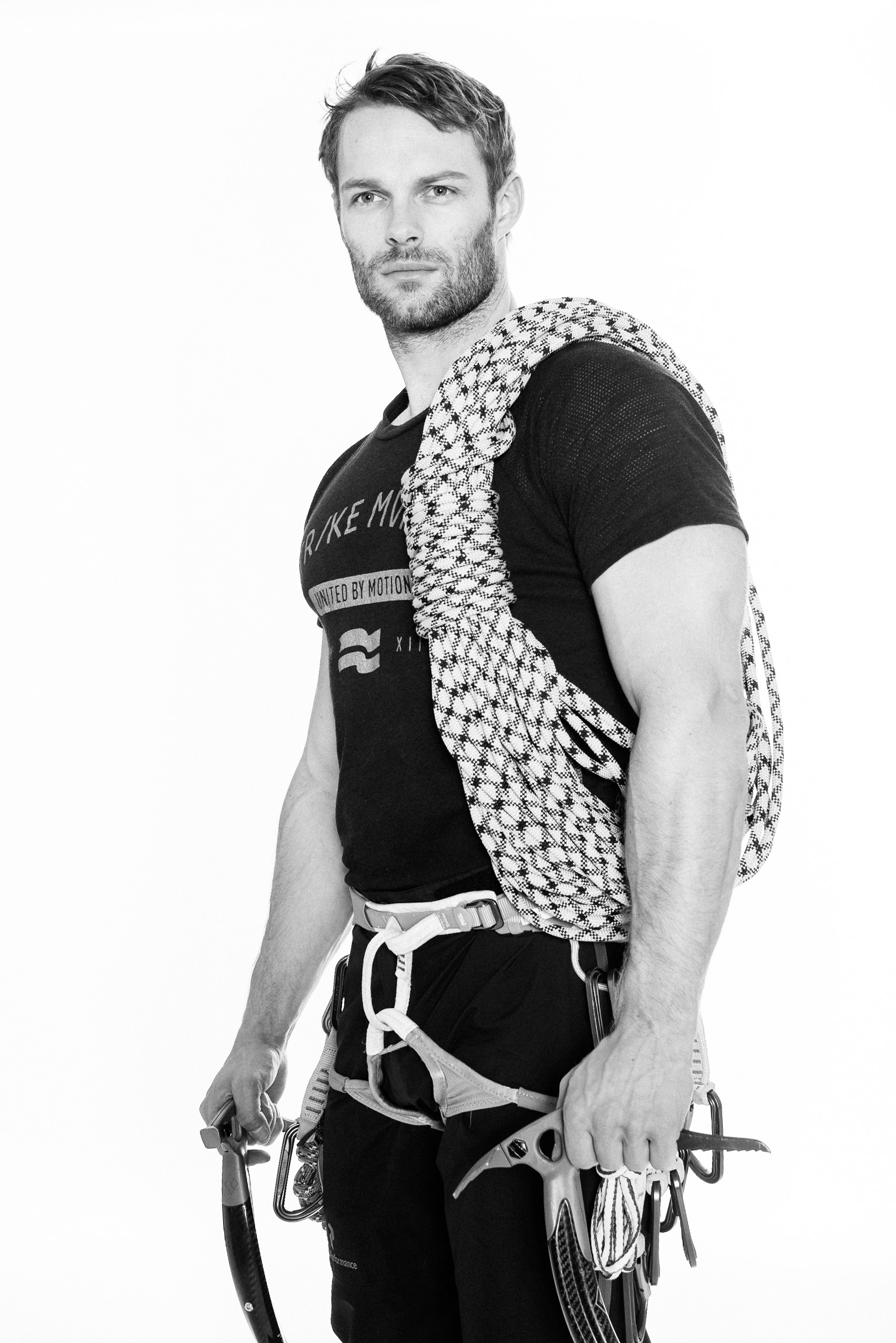
portrait photographer

In a World of AI, Why Real Photography Matters More Than Ever for Your Brand

AI can create almost anything. That’s exactly why real images of real people, places and products are becoming more valuable.

We’re living in a time when almost any image can be created with a prompt.

A perfect lifestyle scene. A flawless portrait. A mountain landscape that never existed. A product photographed in a studio that was never there.

AI-generated imagery is changing the way brands create and use visual content—and there’s no question that it offers exciting possibilities.

But there’s an interesting paradox happening at the same time:

The easier it becomes to create an image, the more valuable a real image can become.

Why?

Because people aren’t just looking for beautiful images anymore. They’re looking for connection, credibility and something they can believe in.

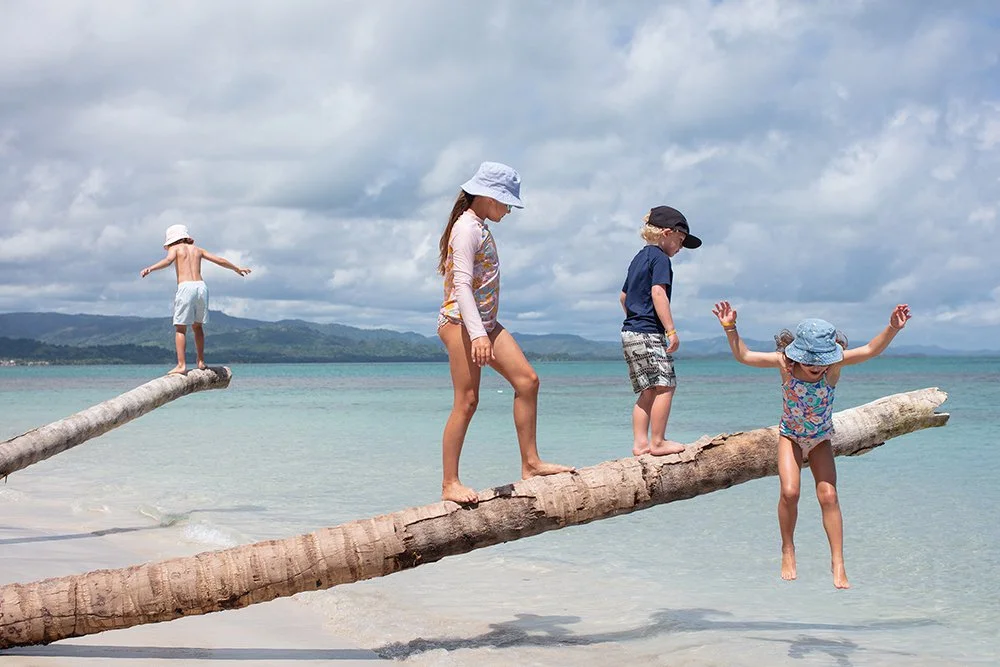
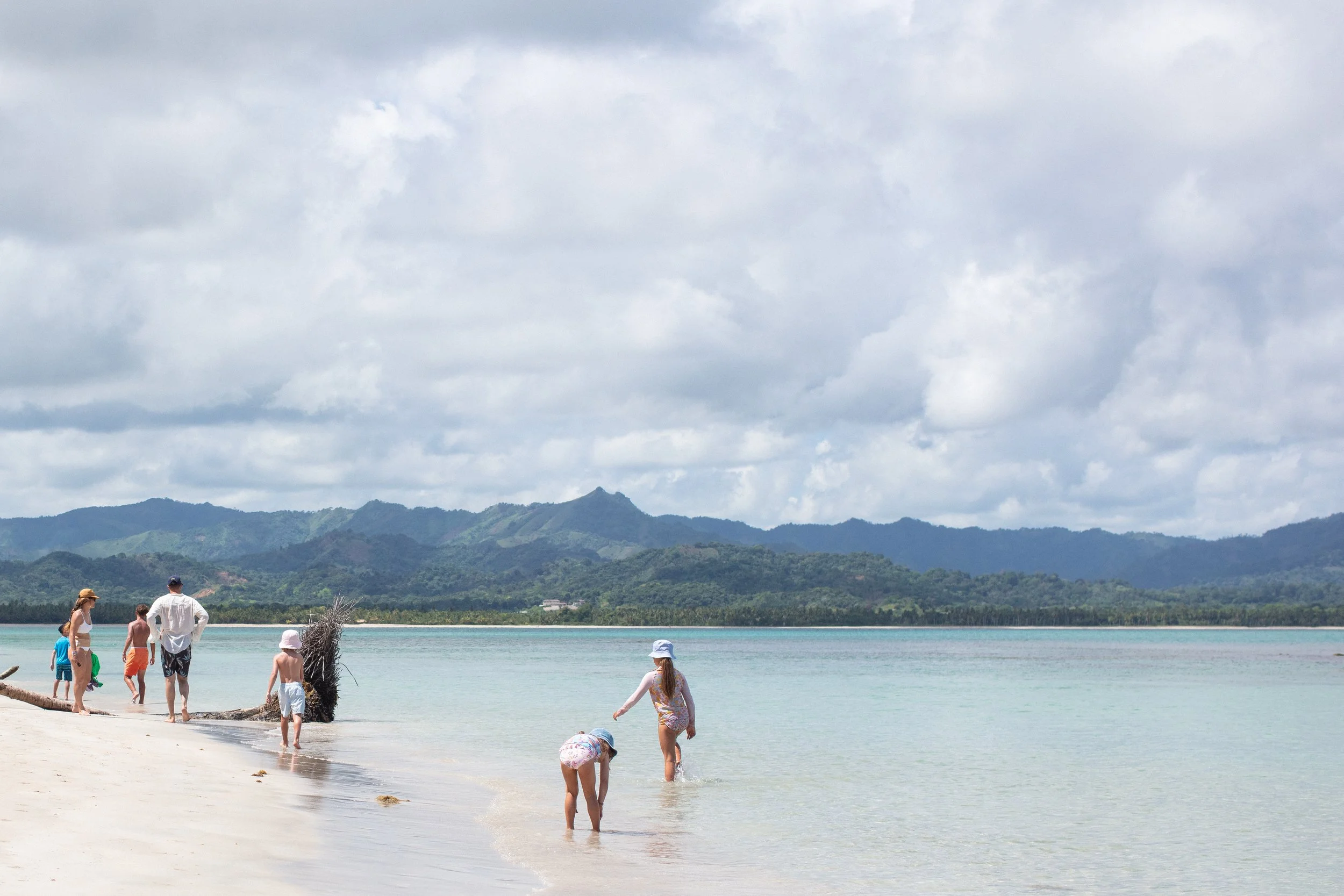
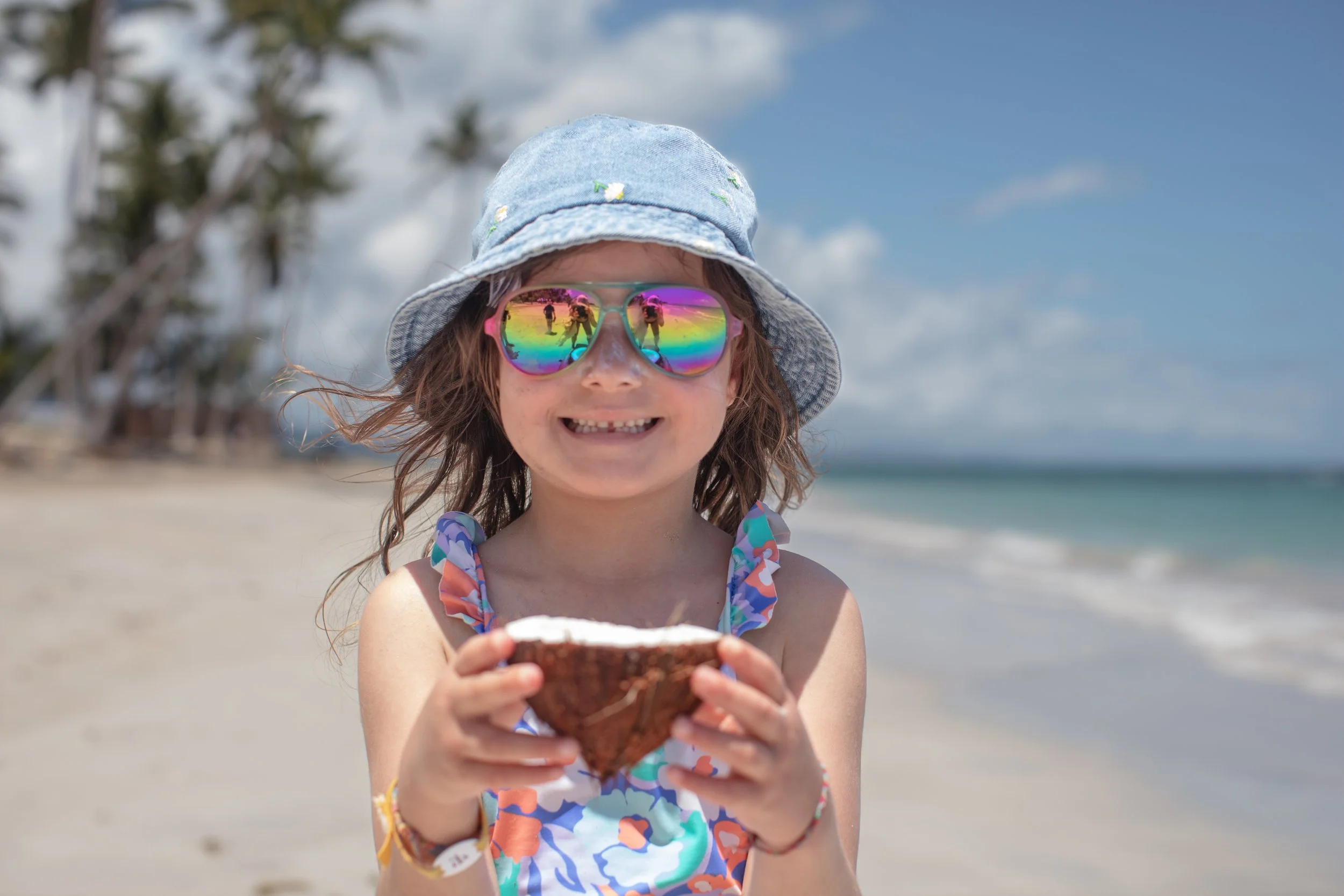
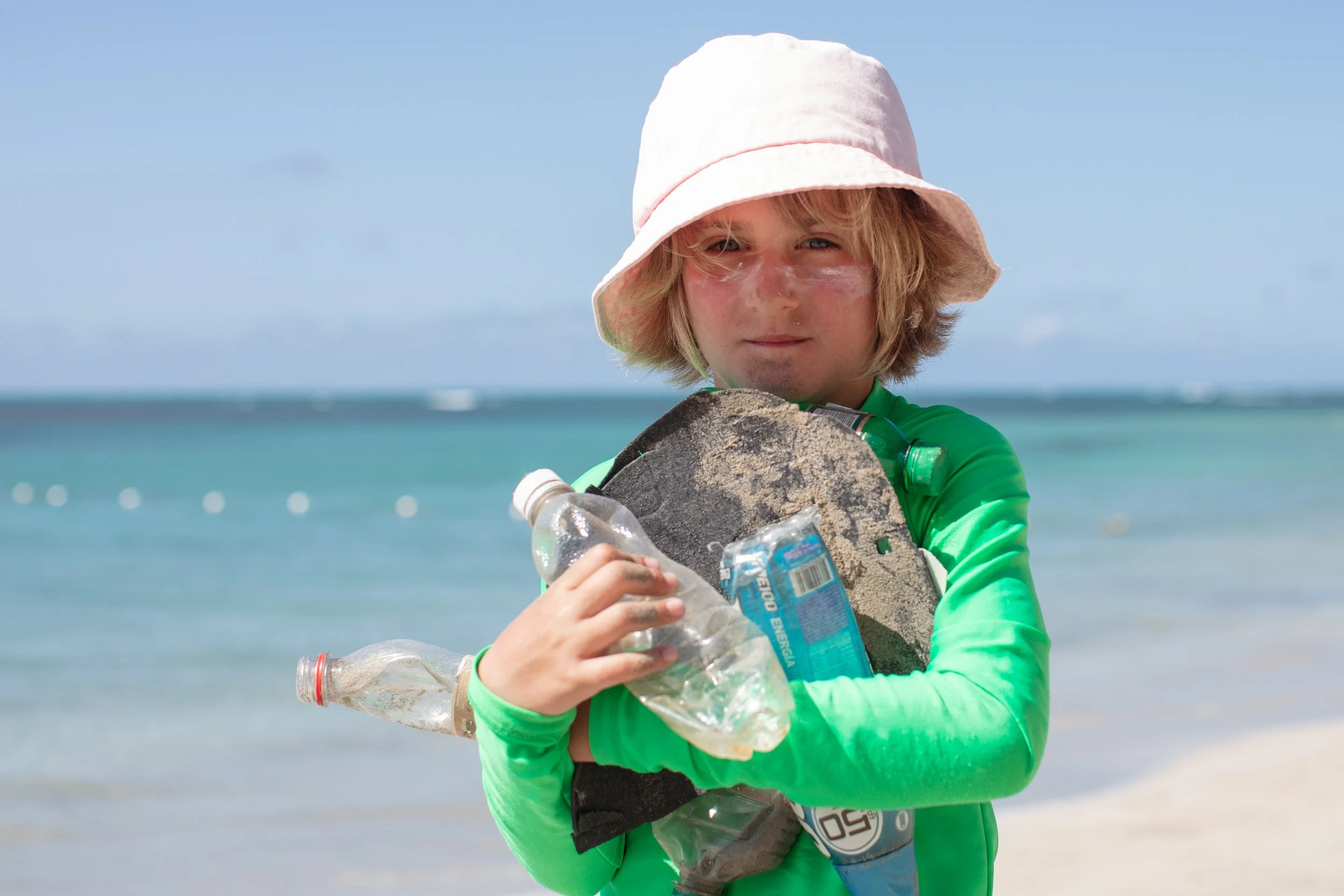
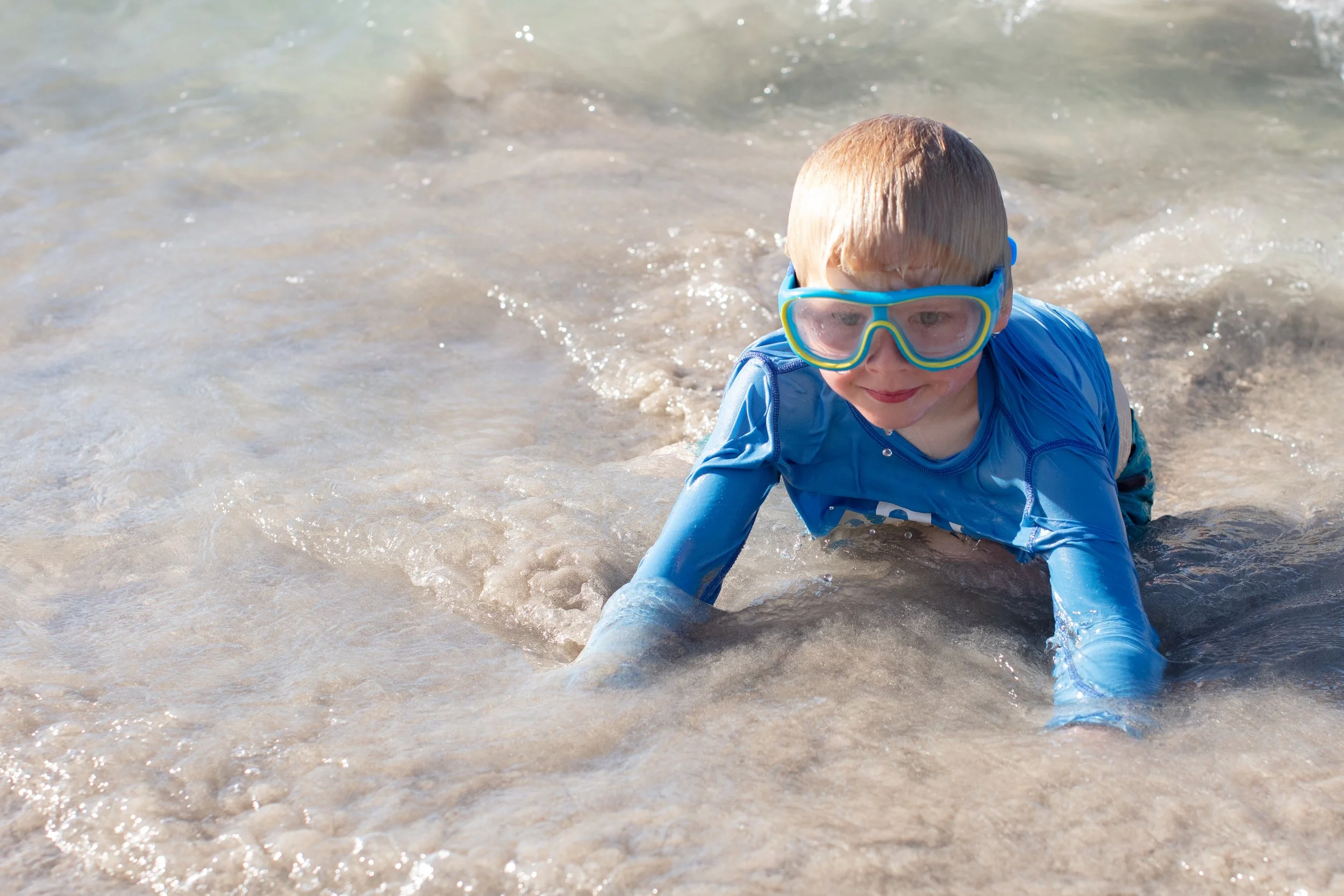
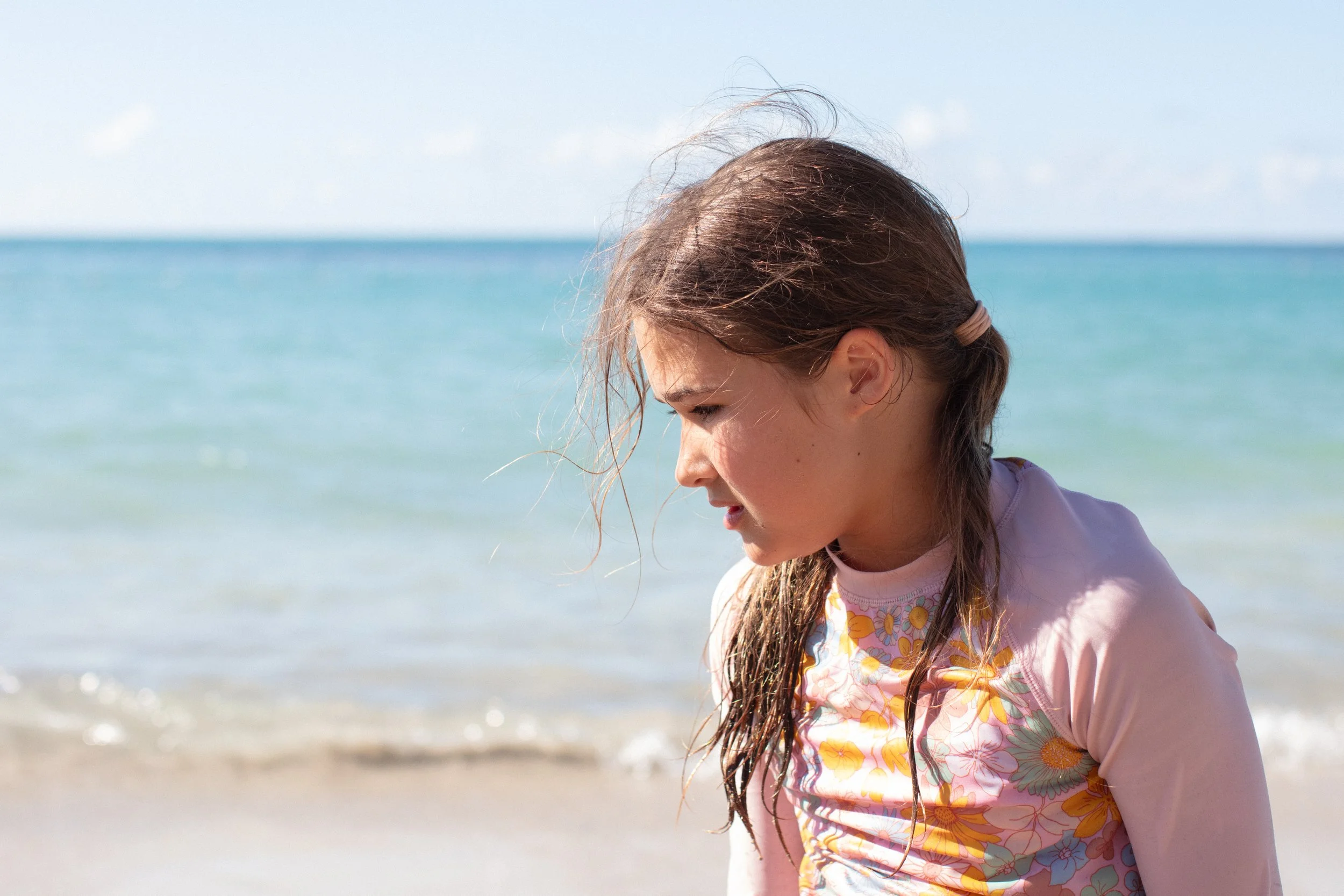
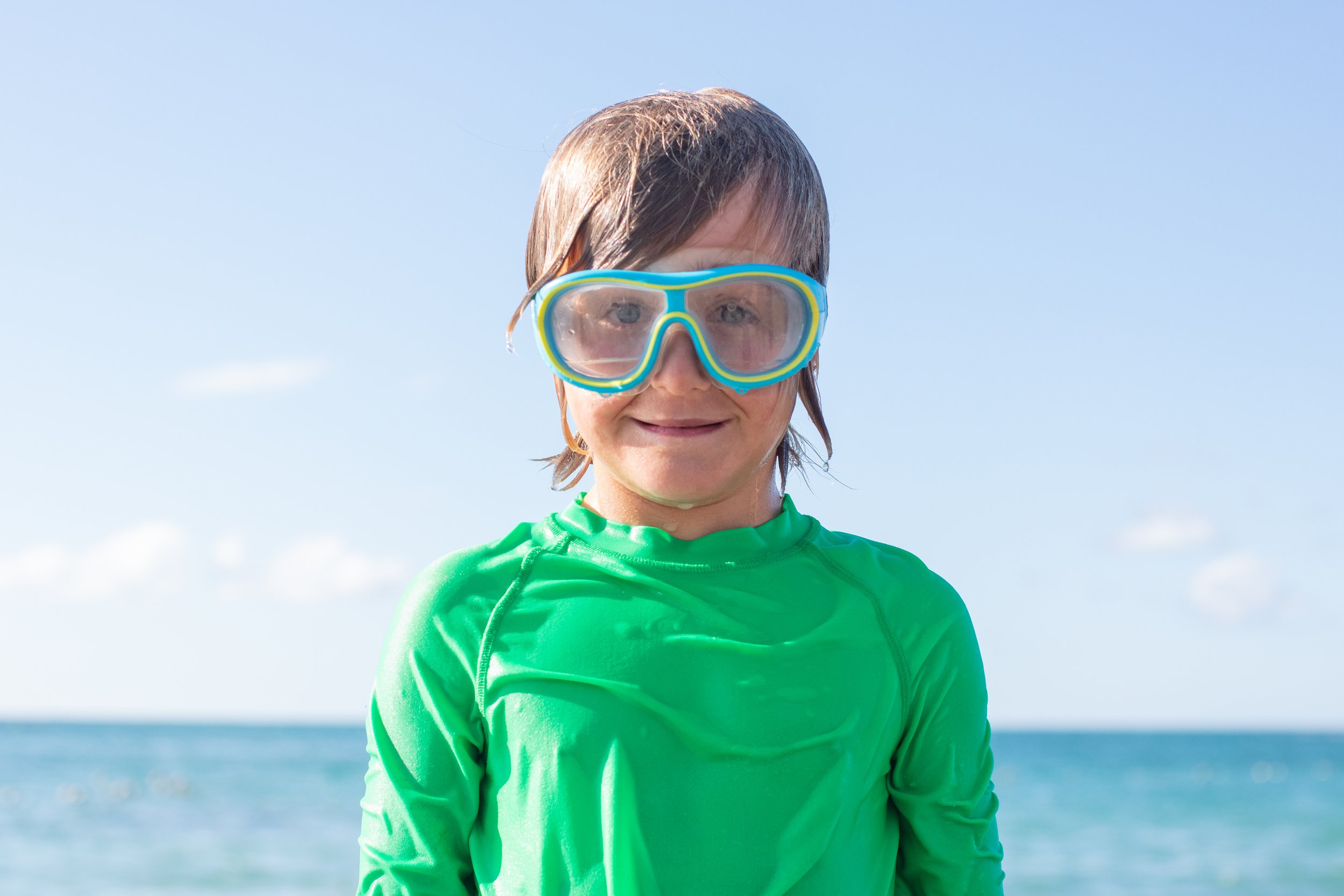
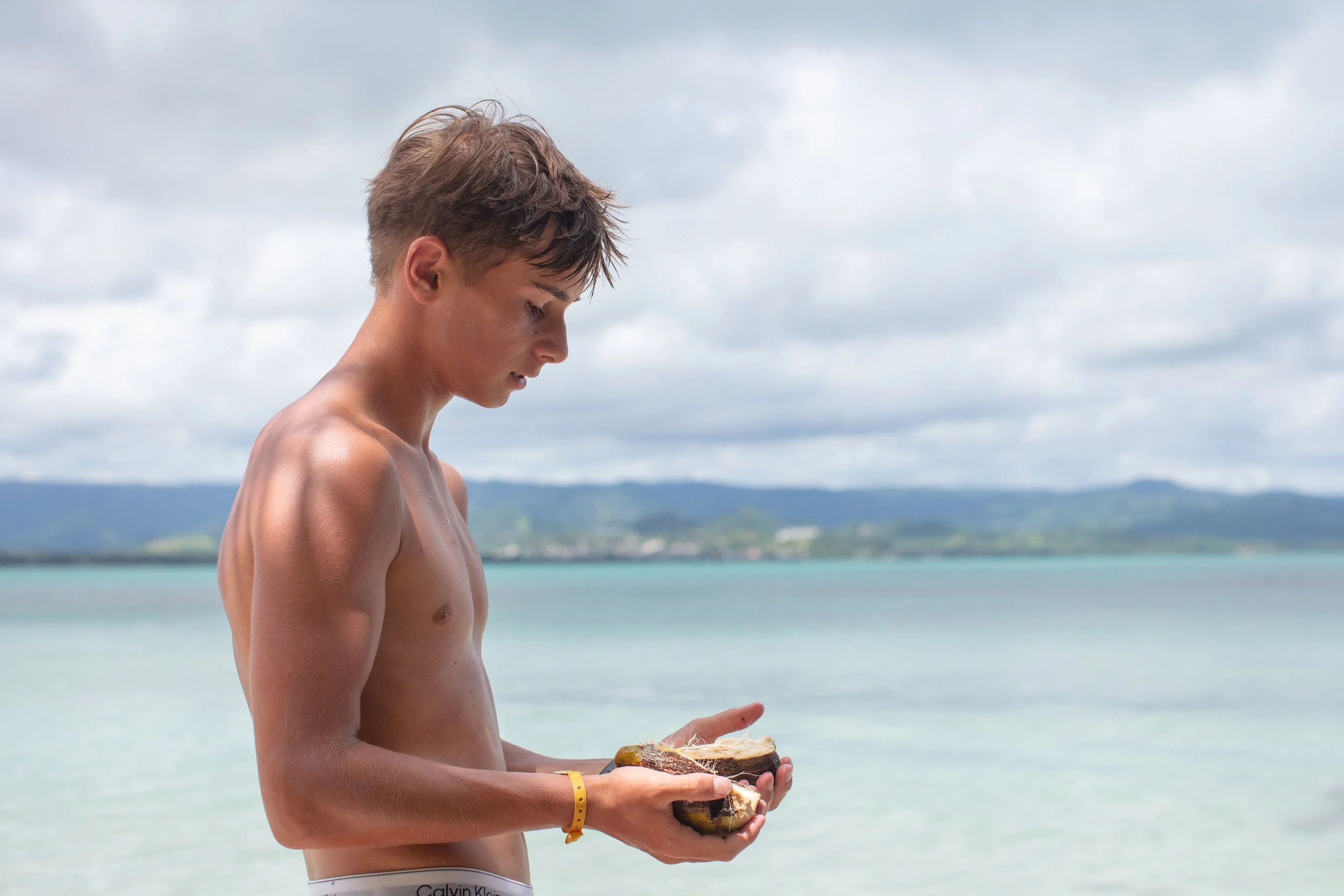
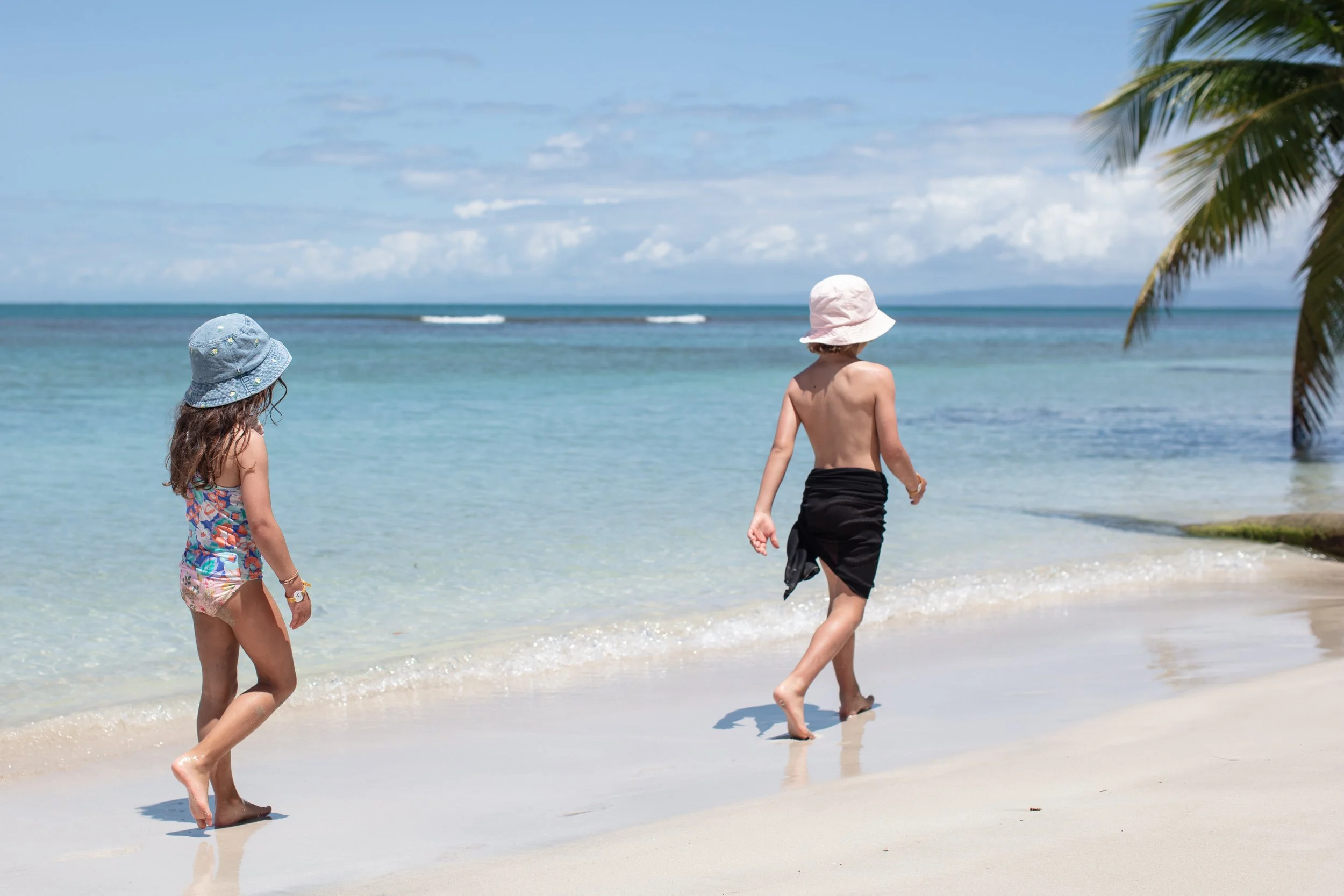
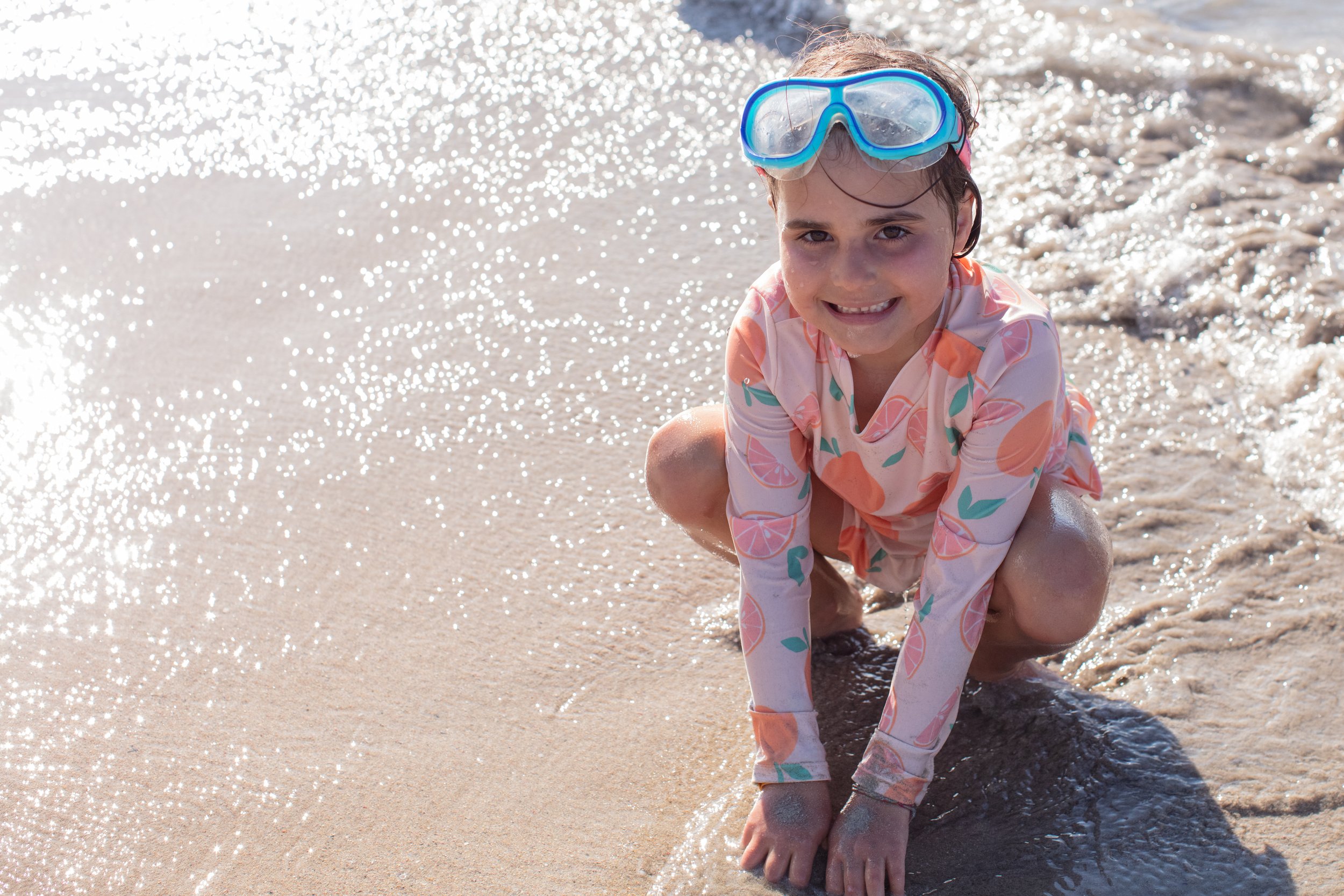
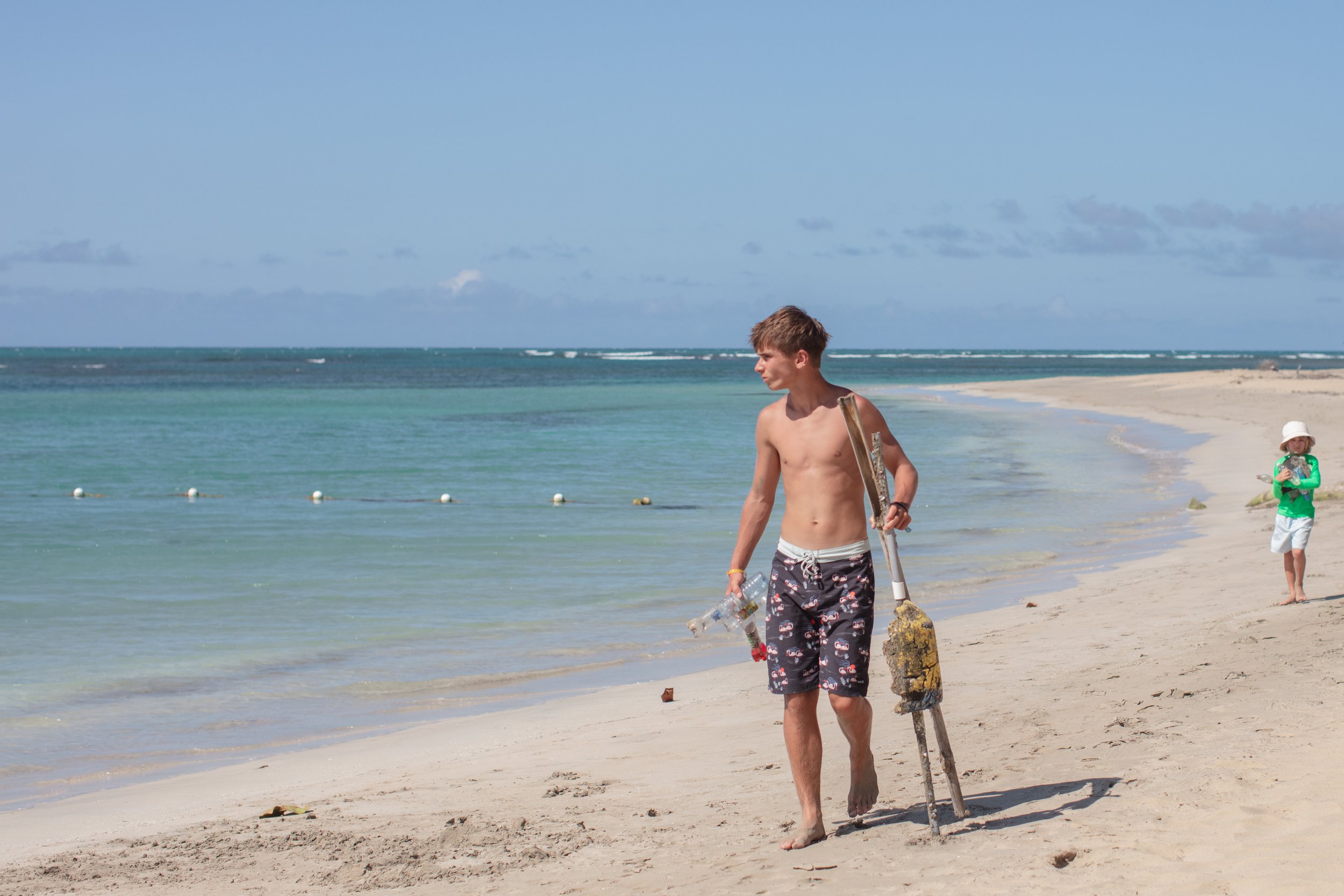
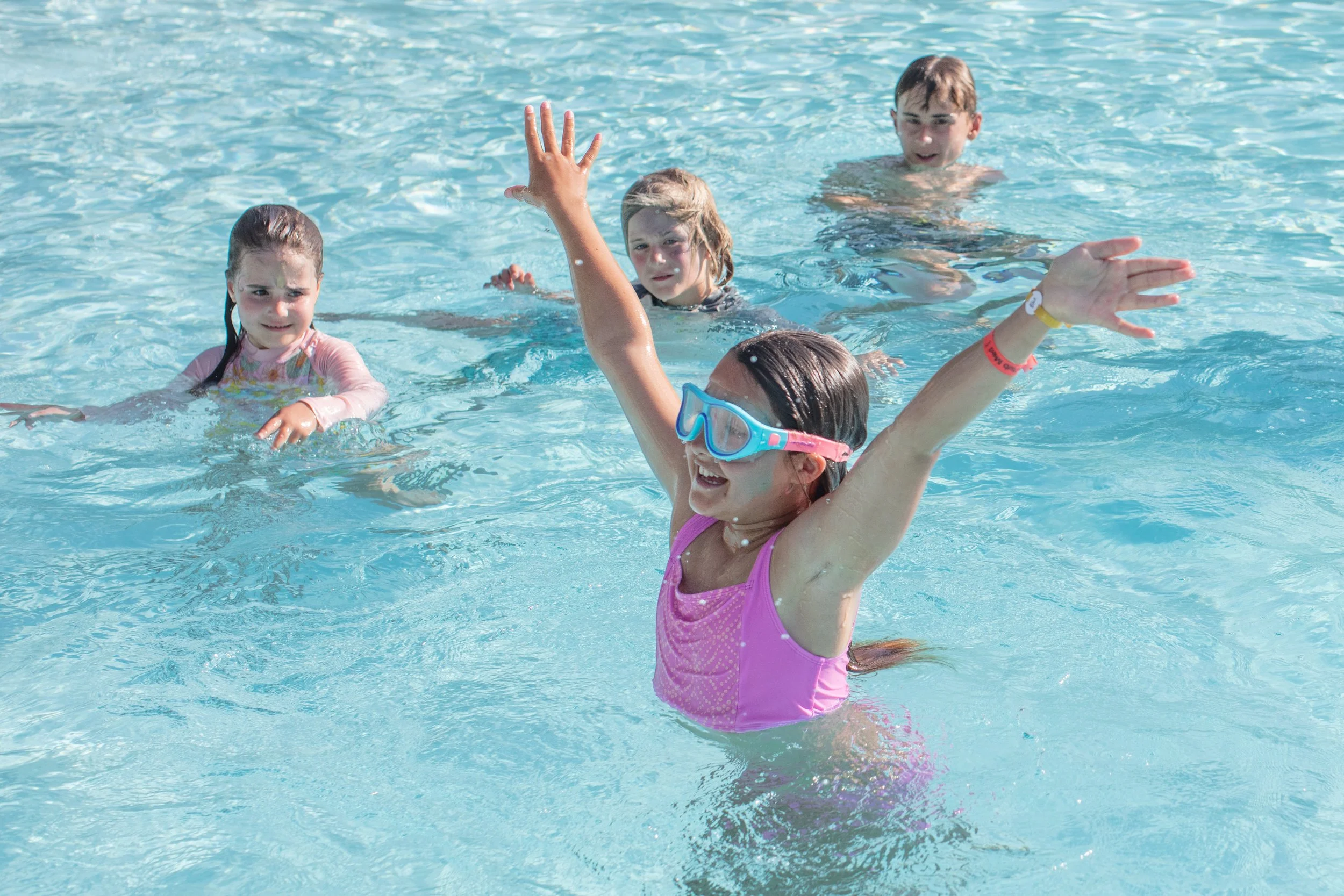
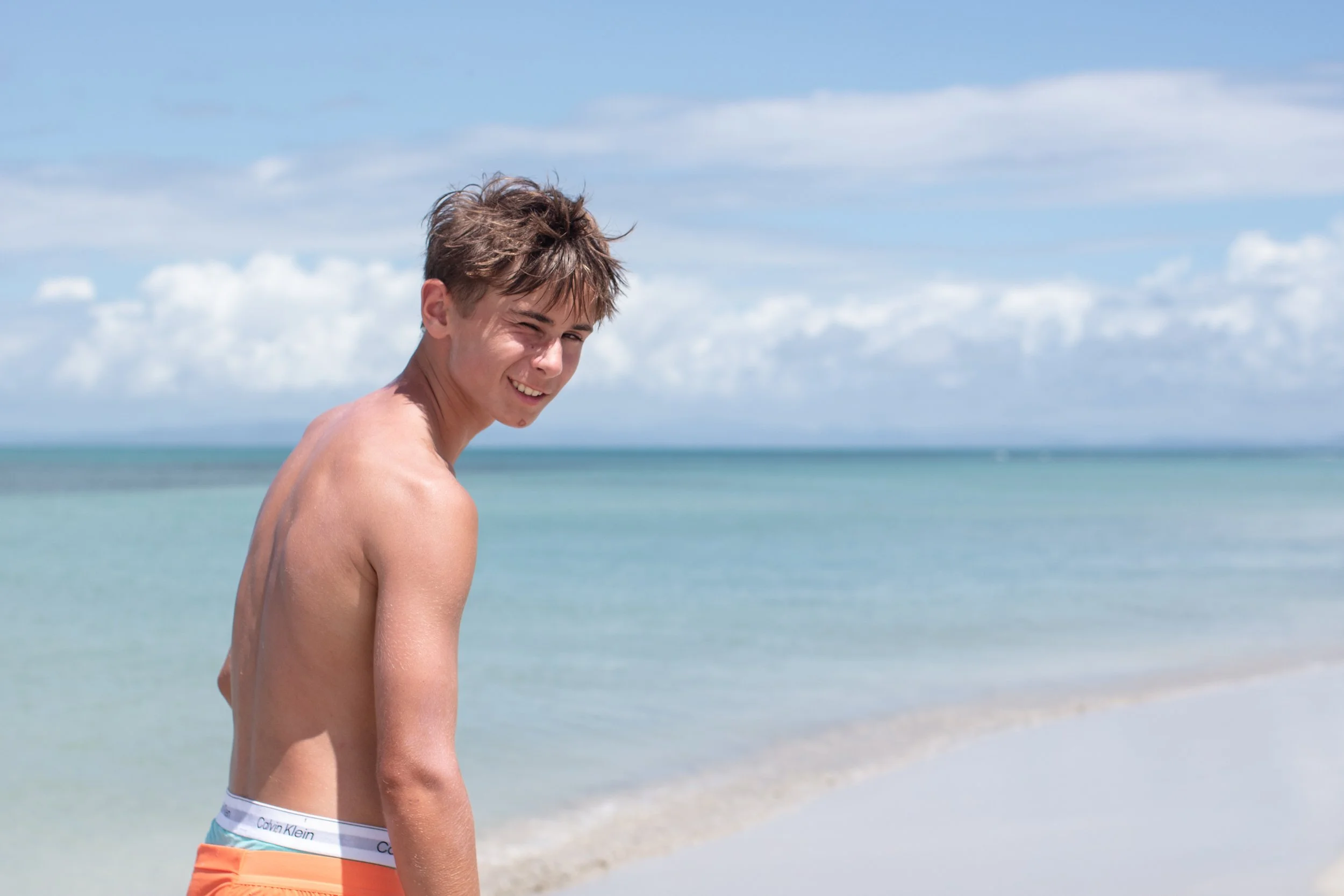
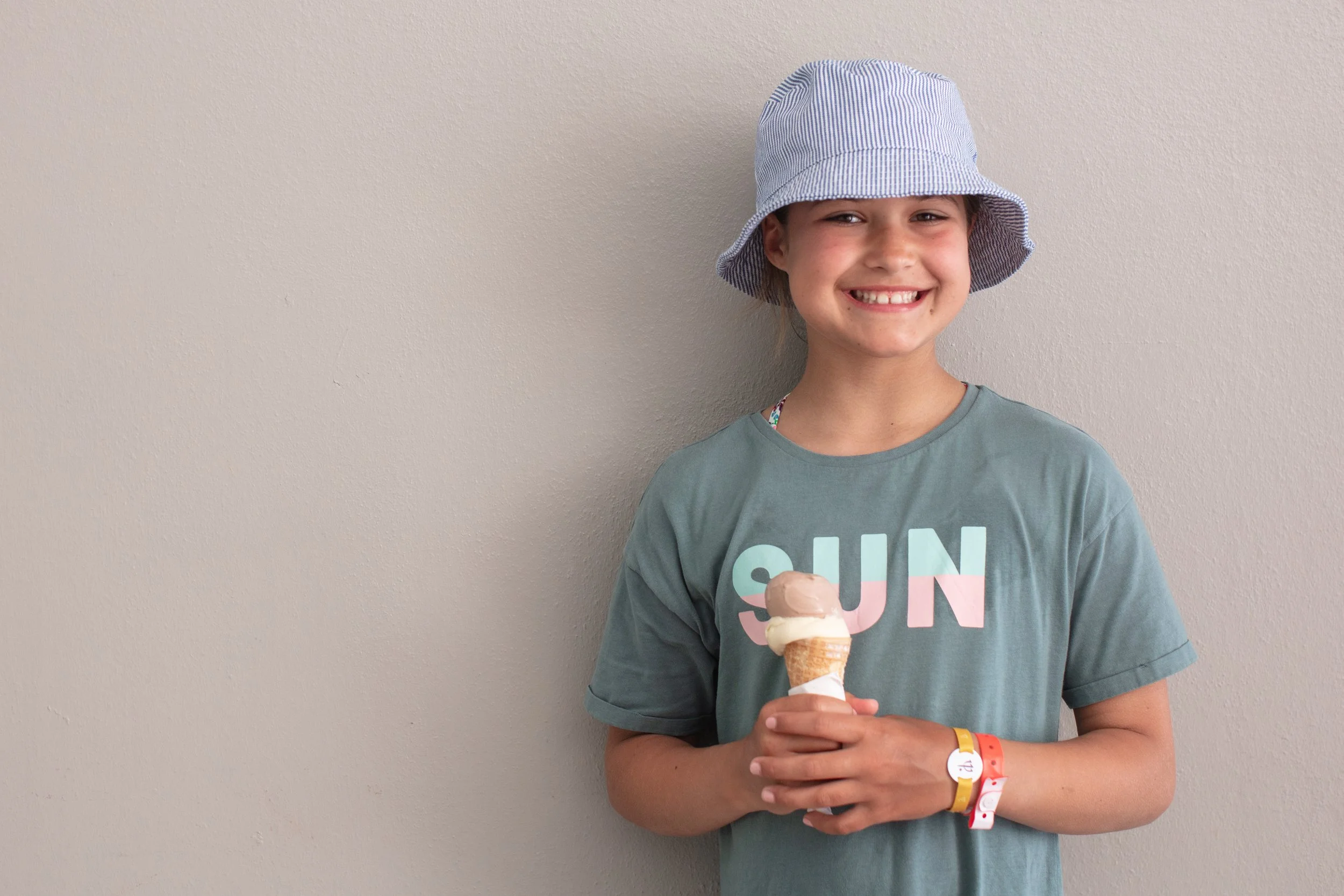
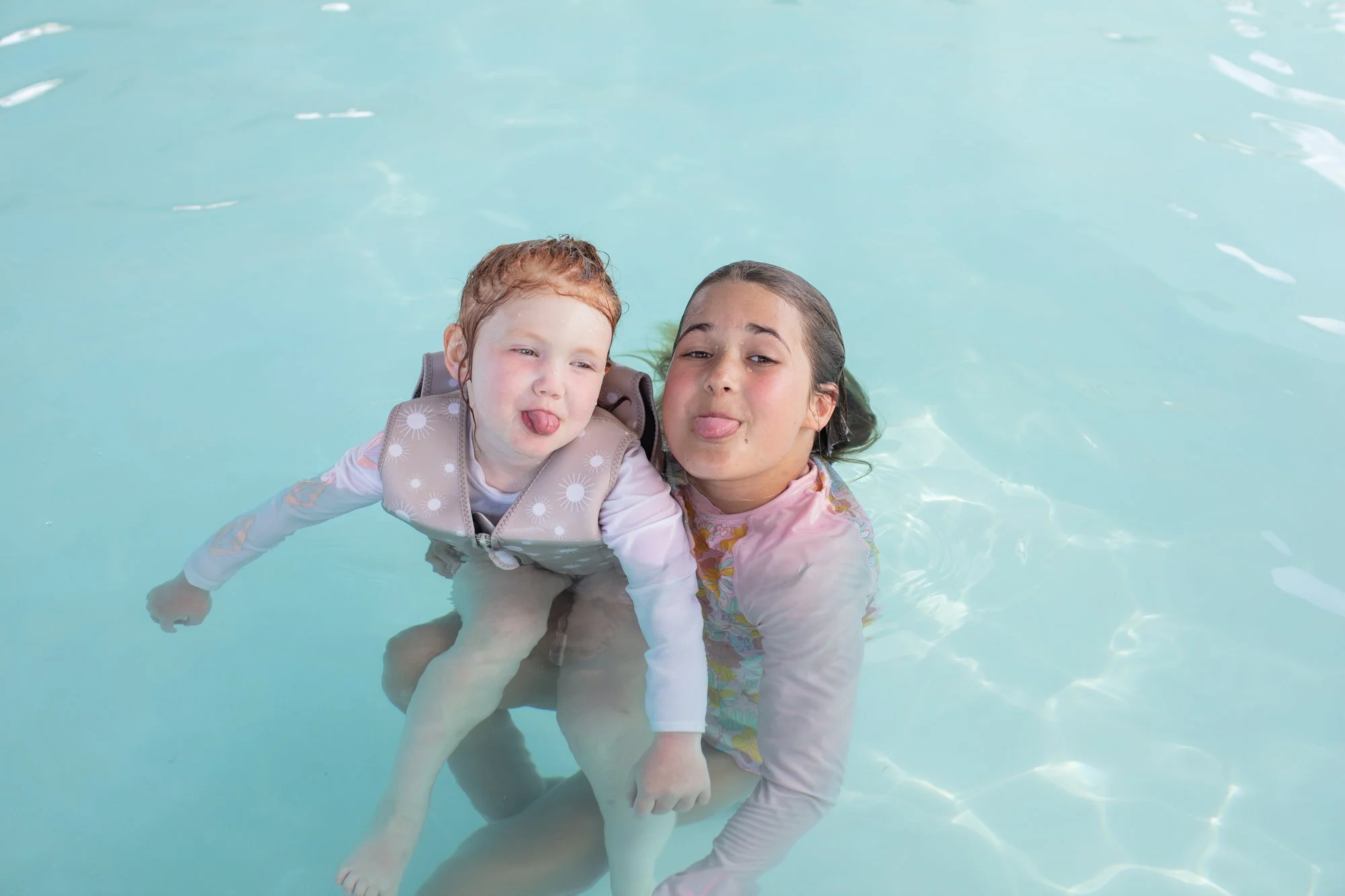
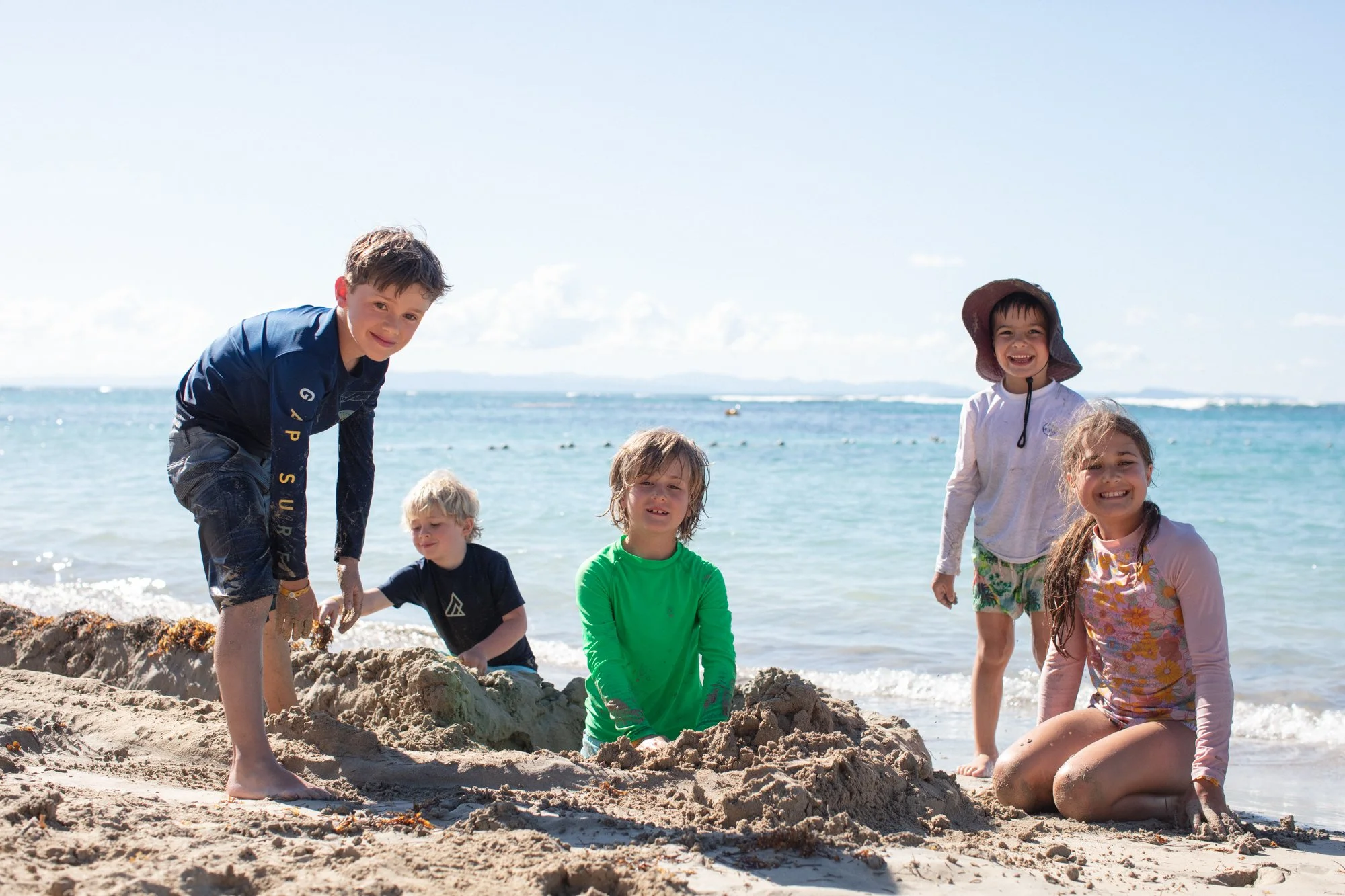
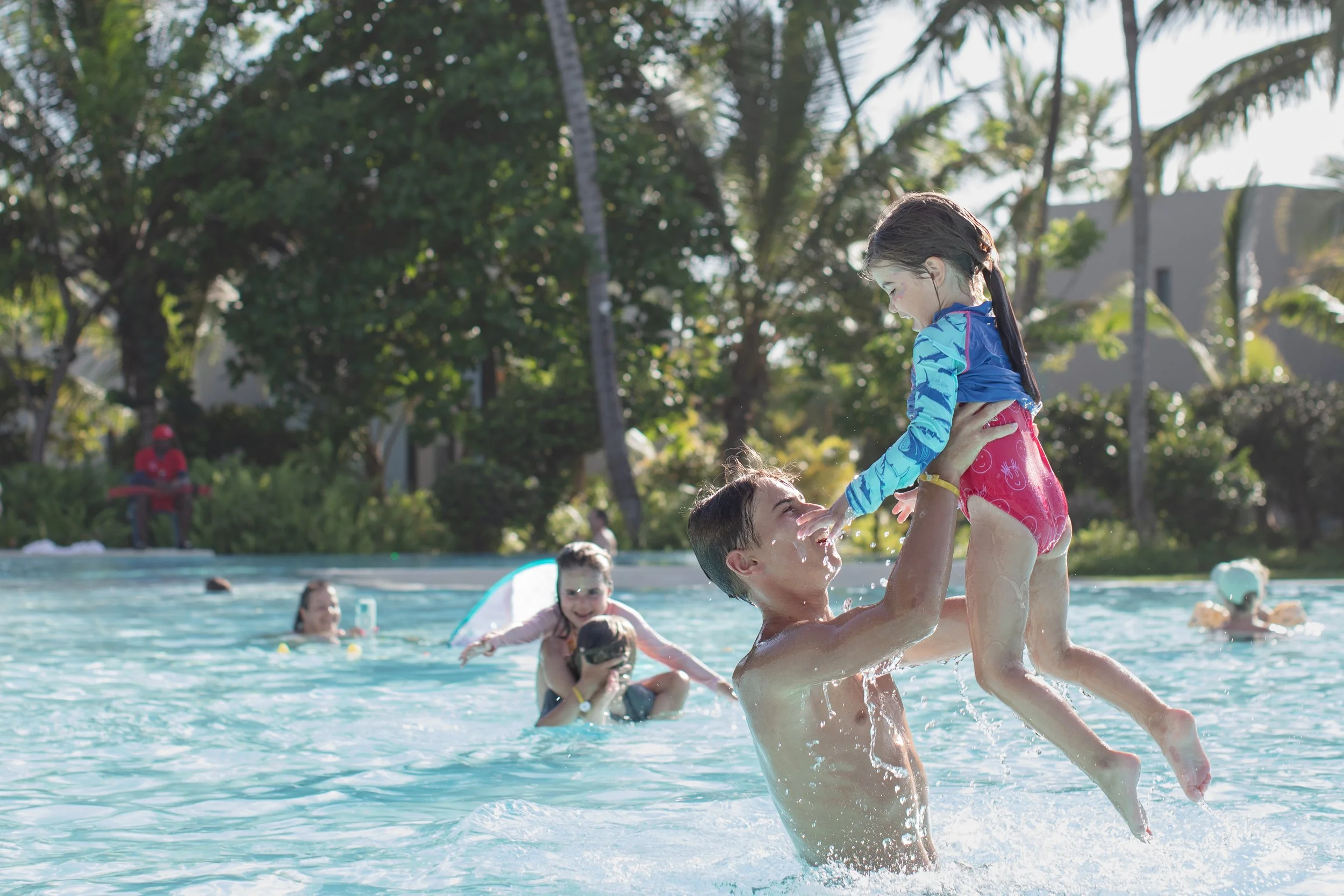
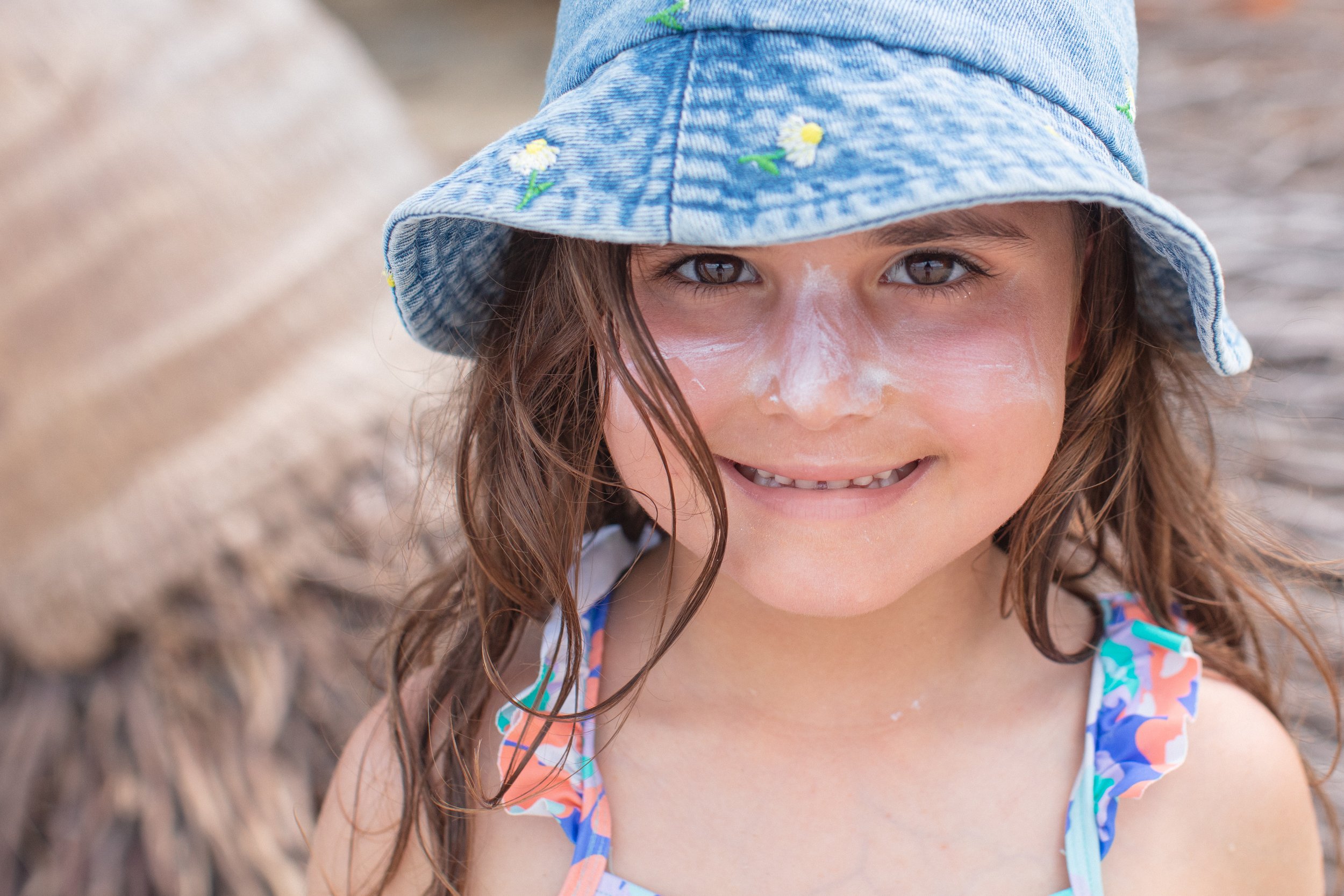
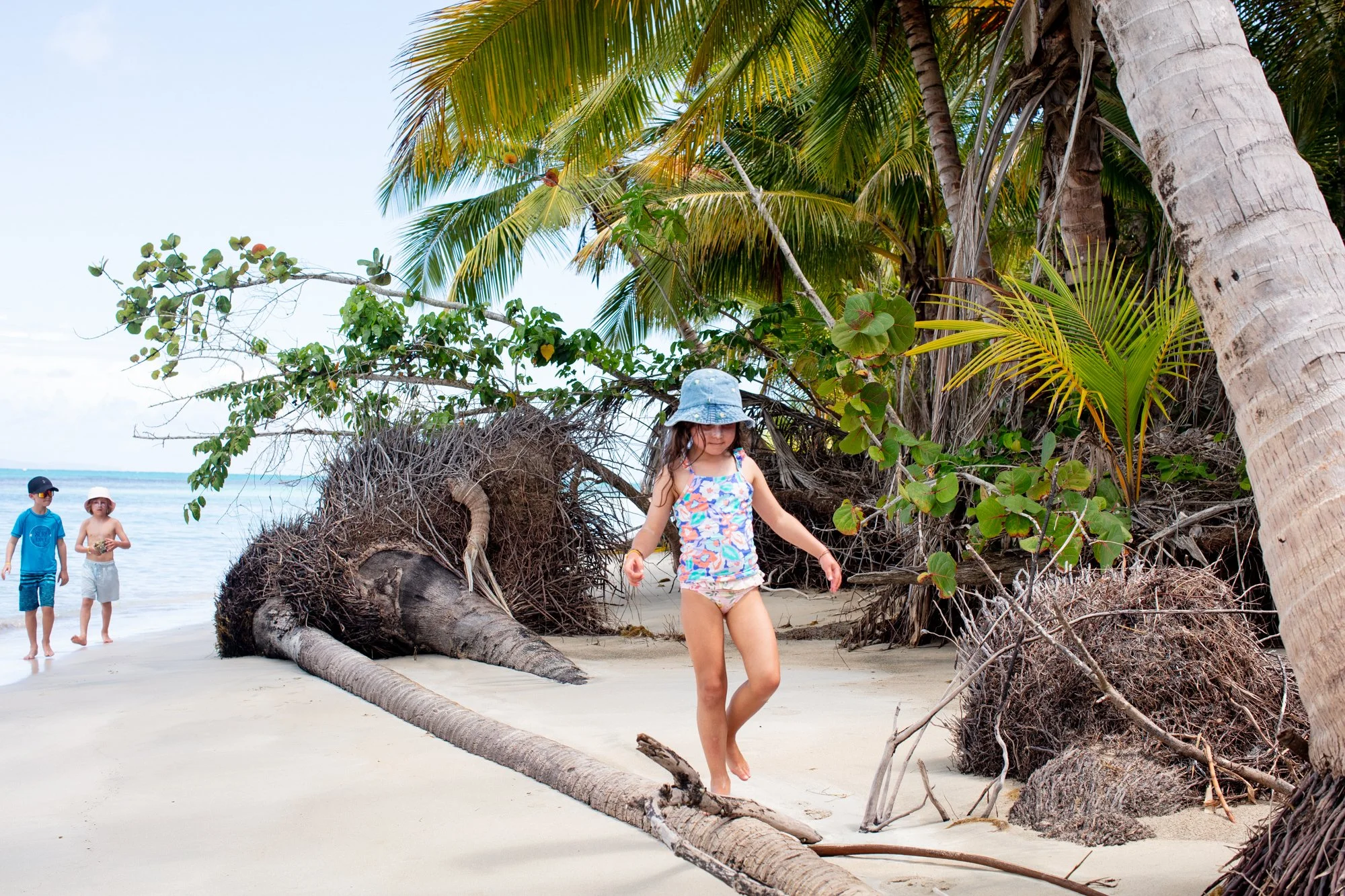
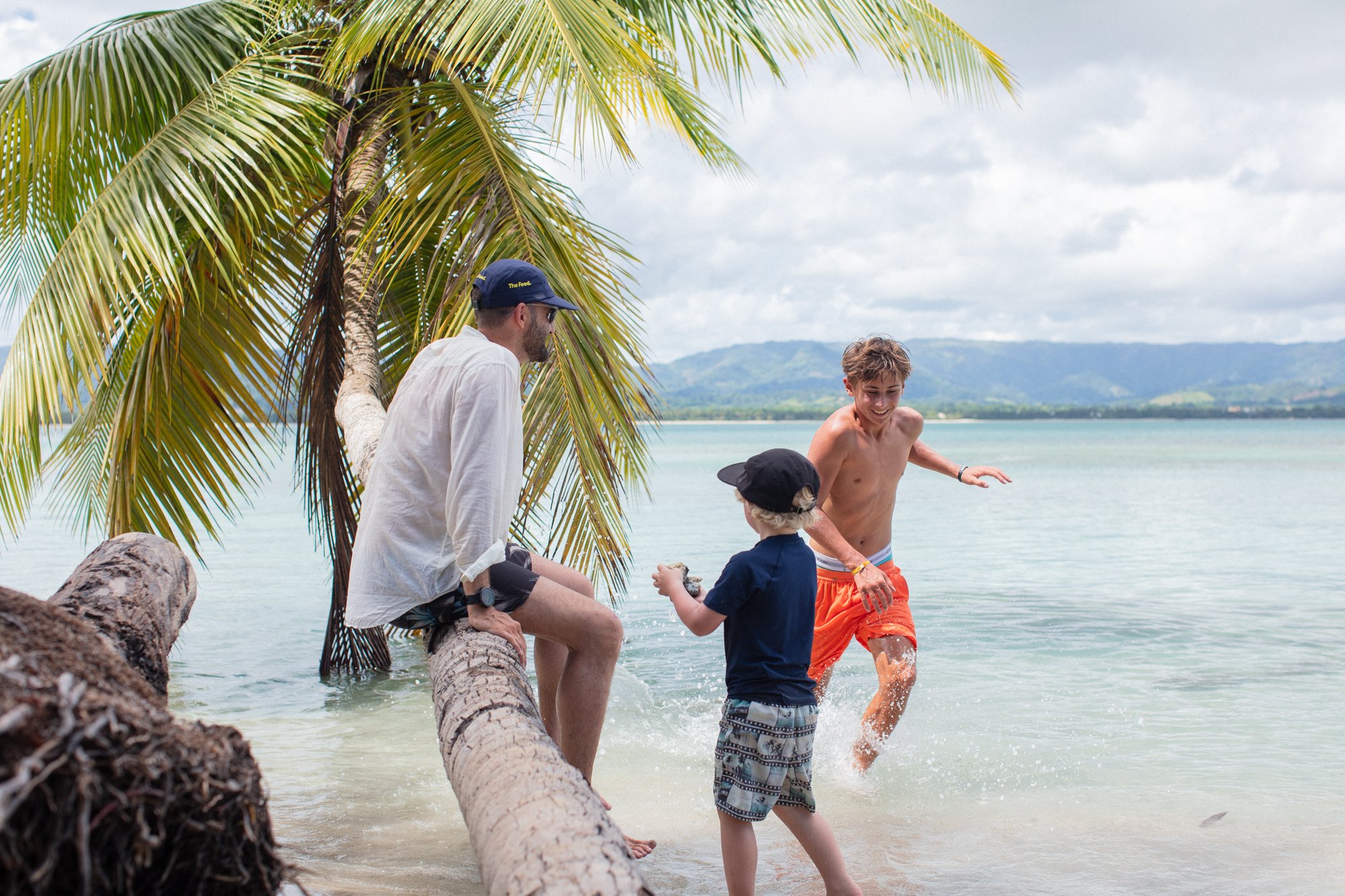
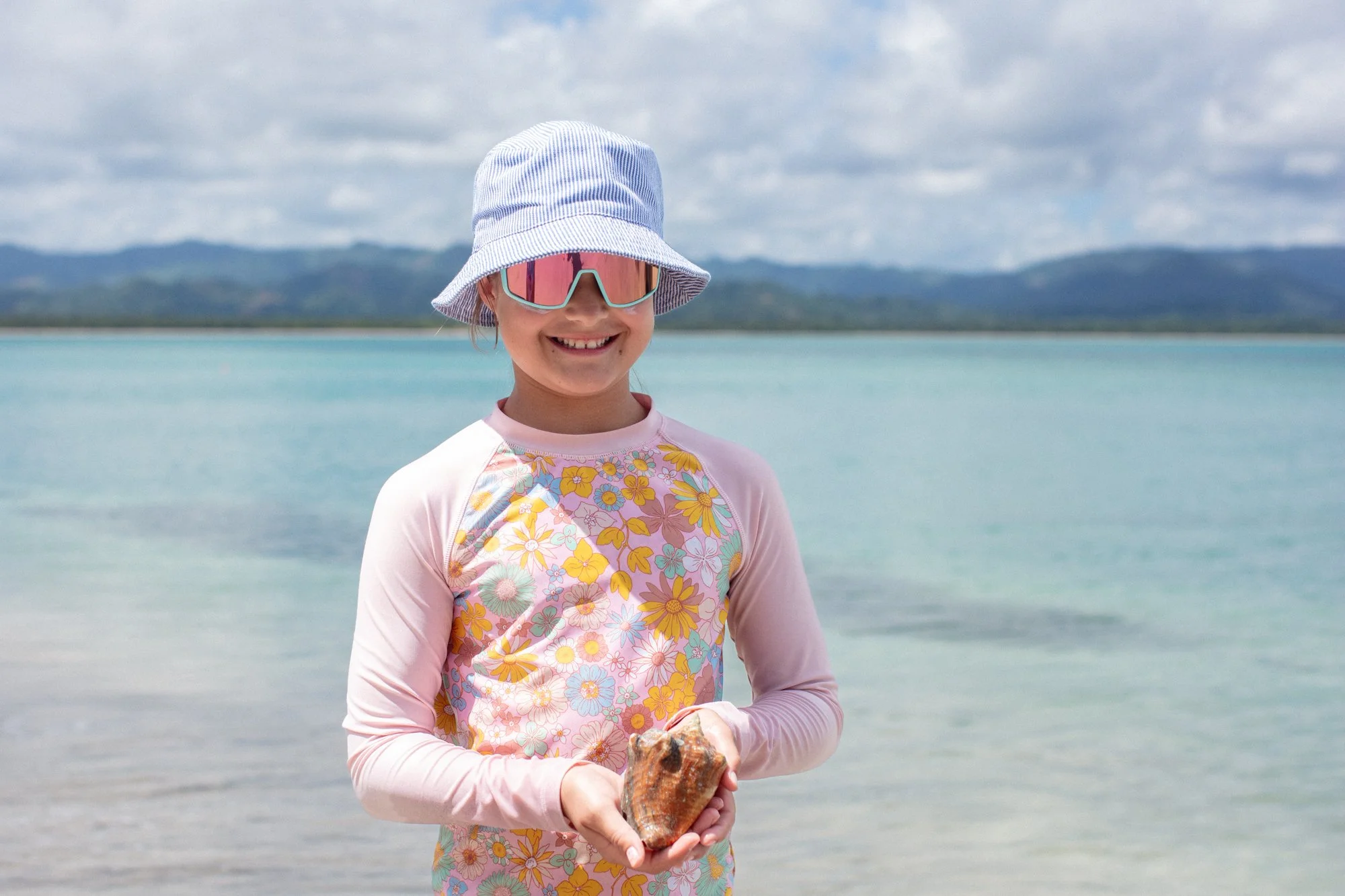
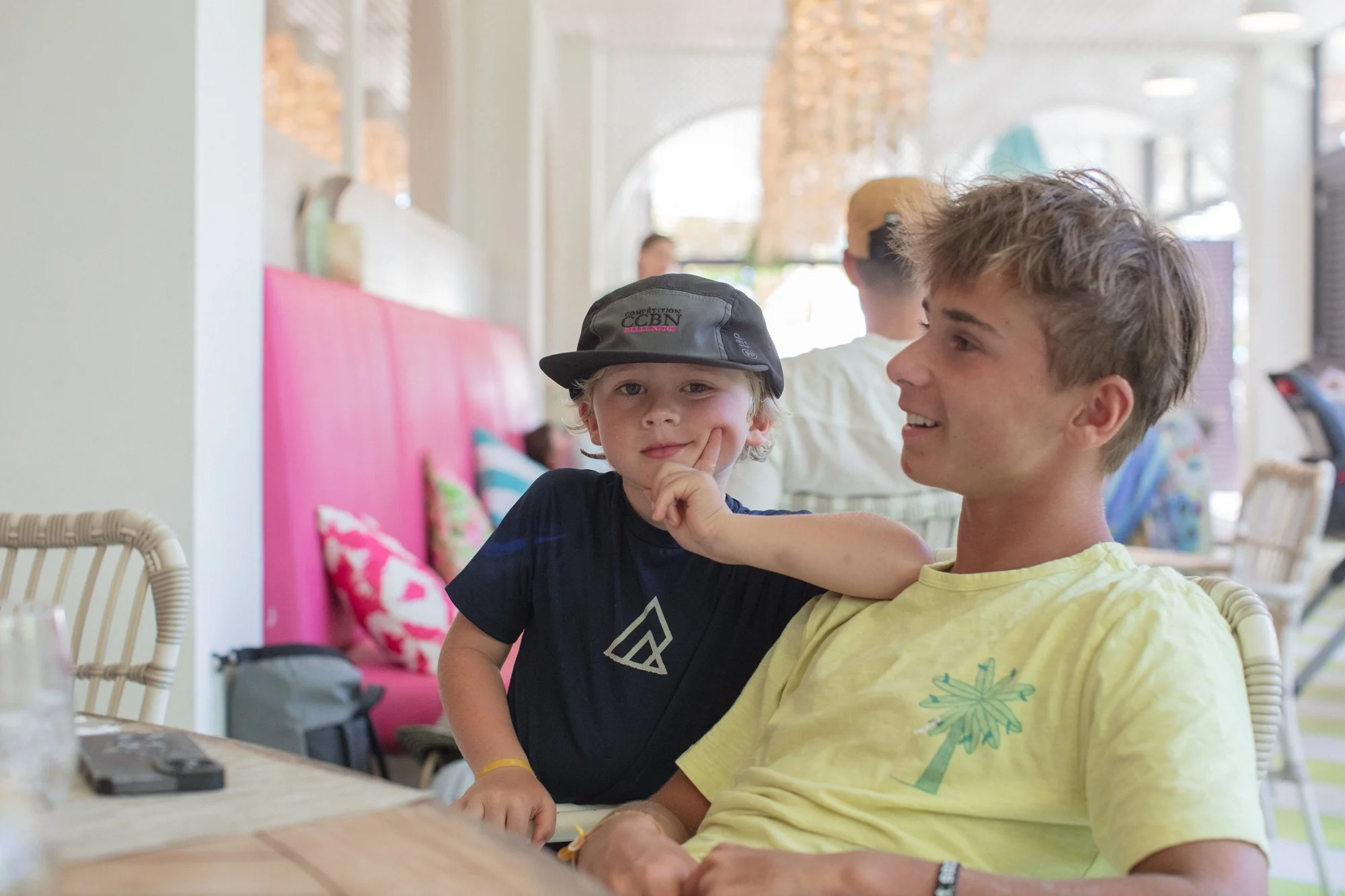
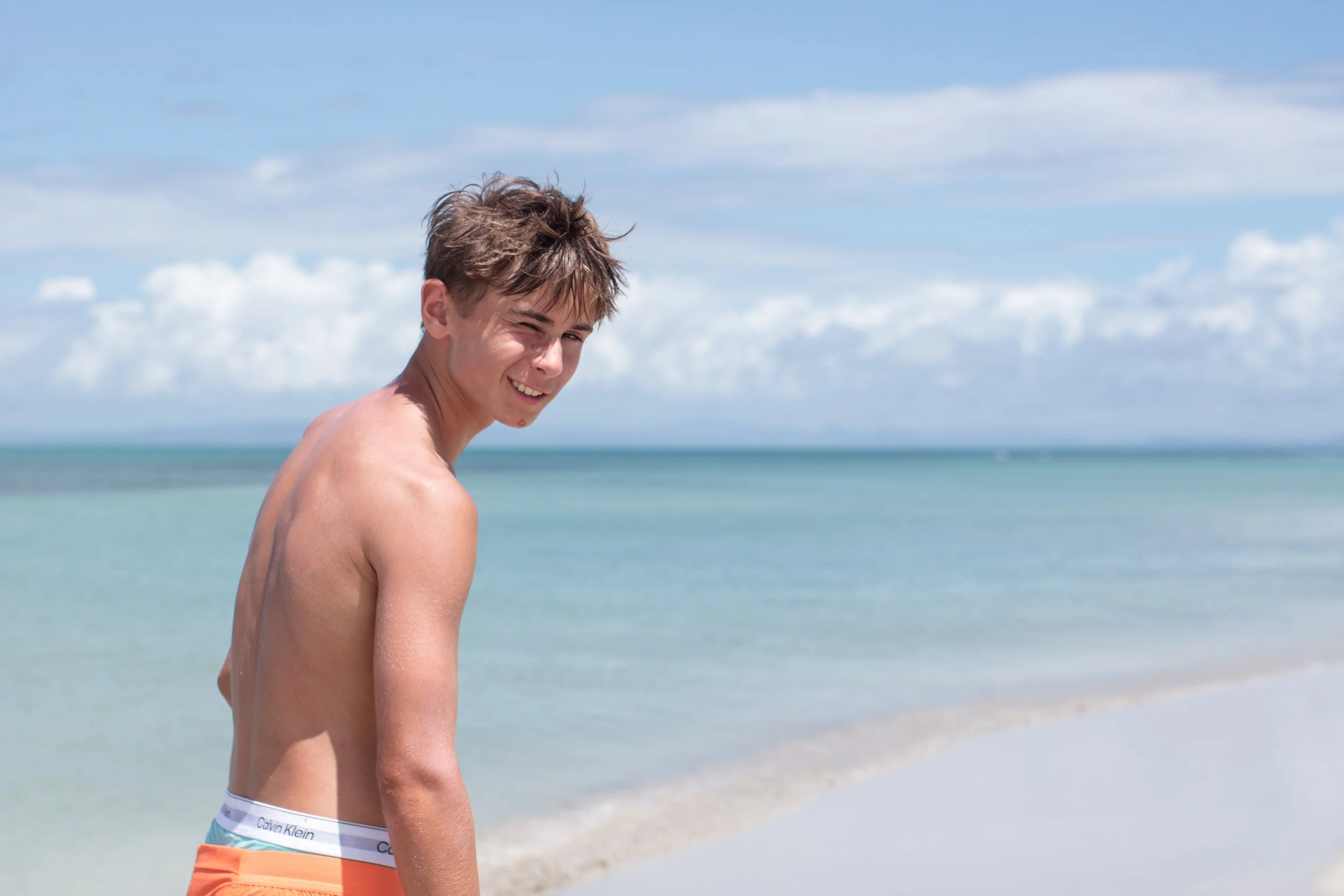
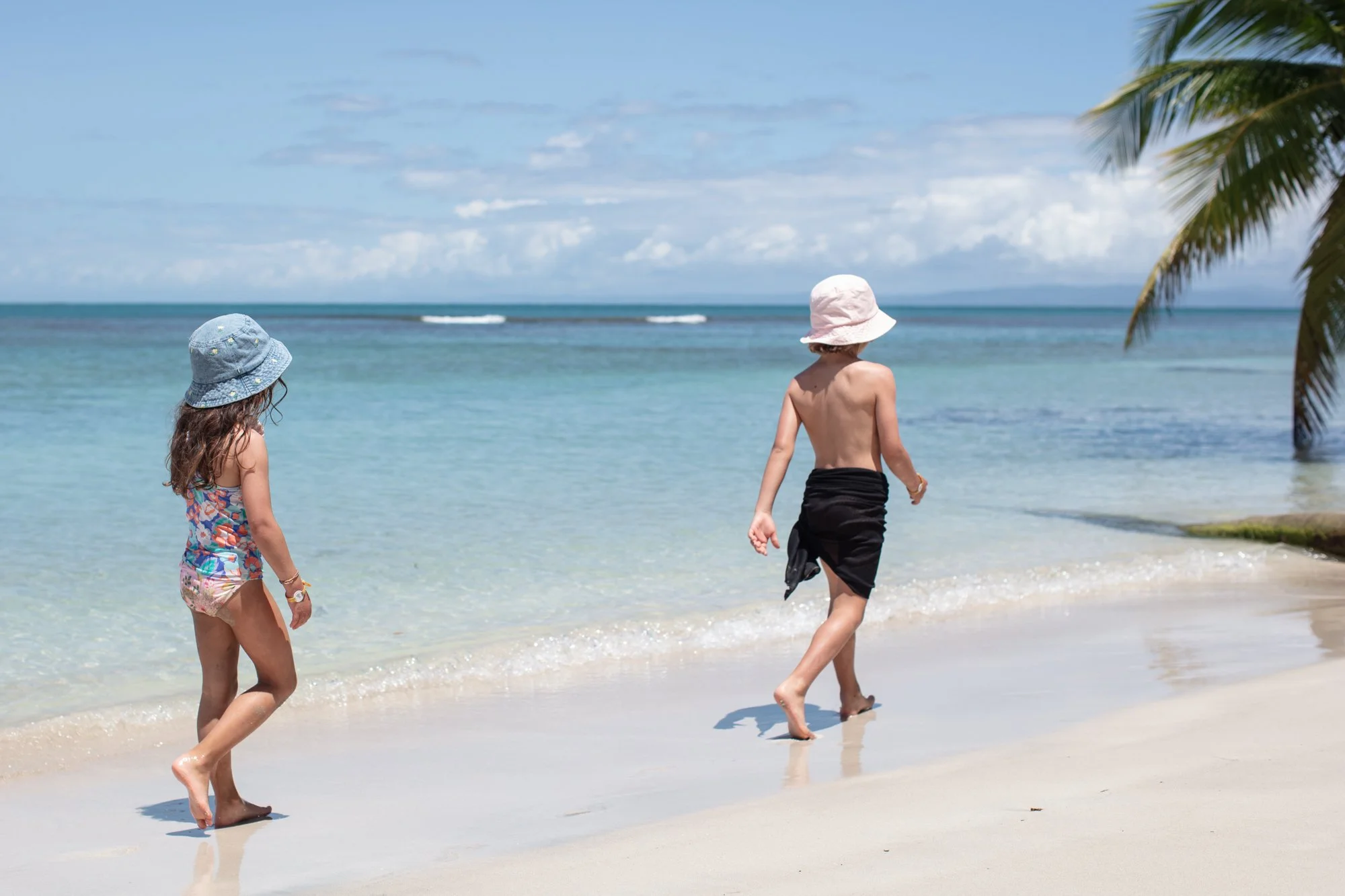
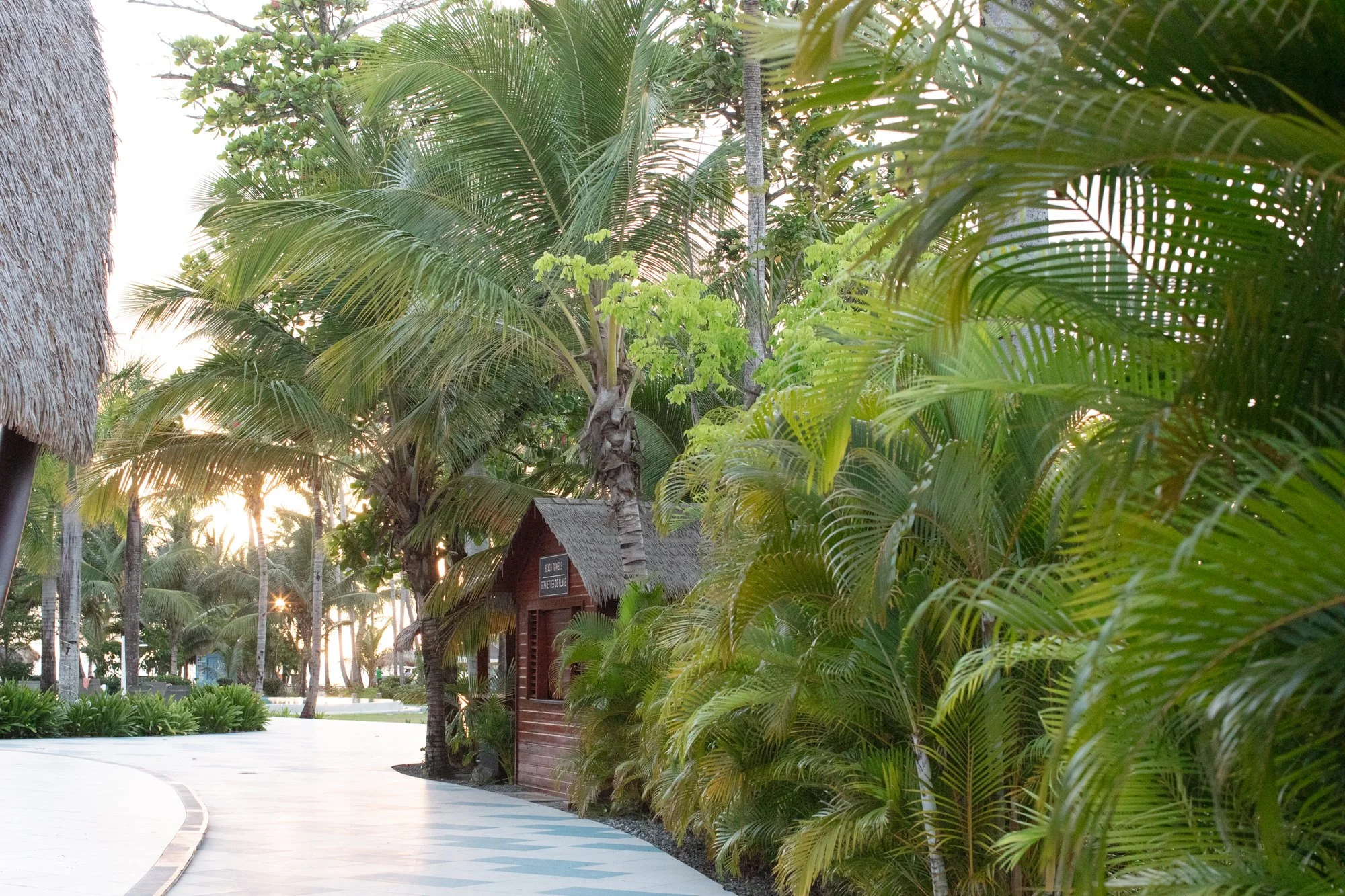
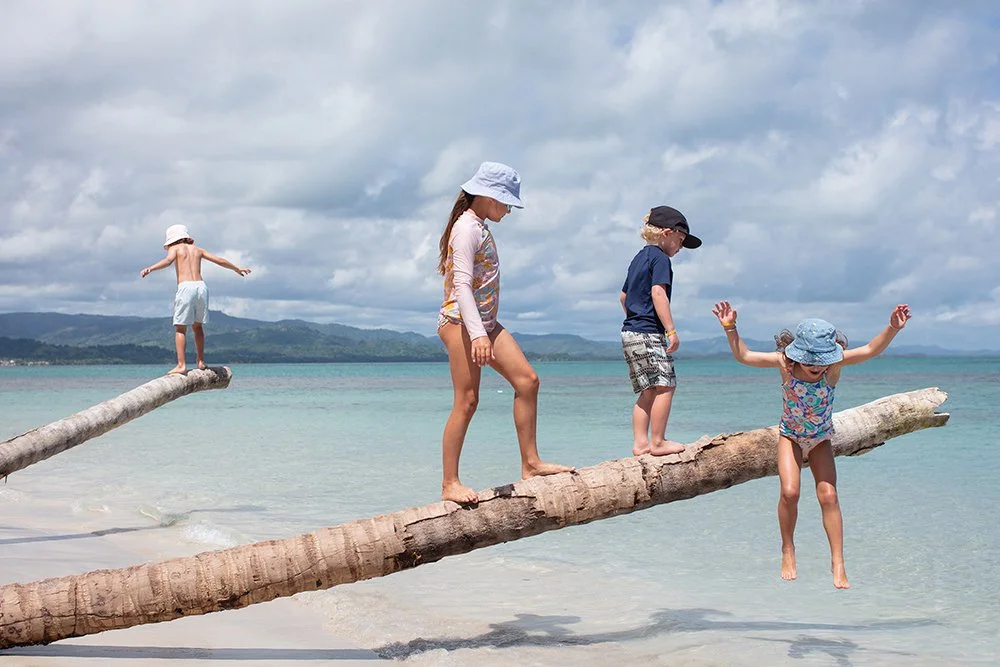
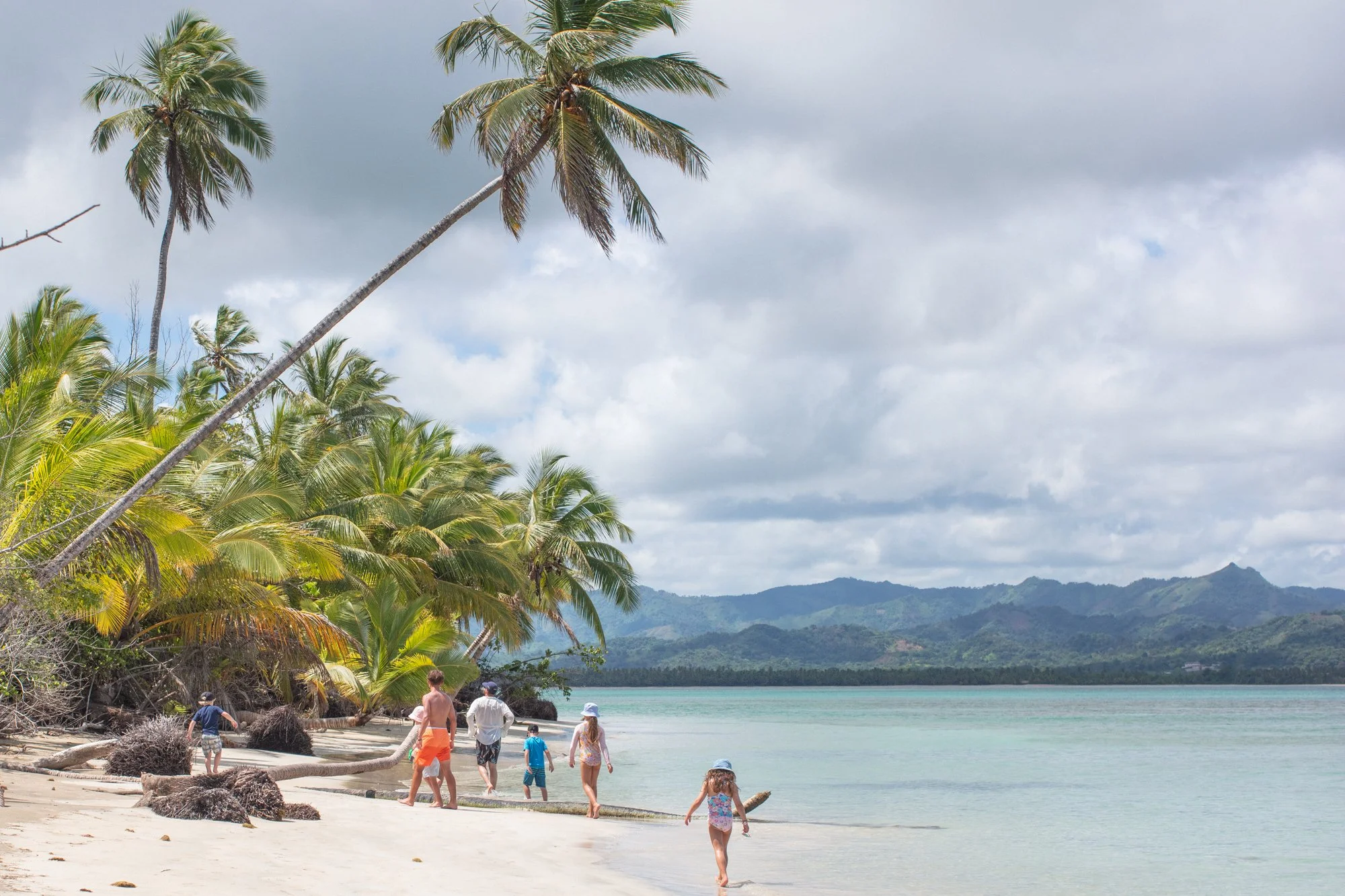
Lifestyle image of kids playing on the beach in Dominican Republic

Your audience can tell when something feels real

We are becoming increasingly sophisticated consumers of imagery.

We scroll past thousands of images every week. We see highly polished advertising, carefully curated social feeds and increasingly realistic AI-generated content.

And while an AI image might look impressive, it can lack something that technology can't easily manufacture:

A real story.

There’s a difference between showing someone an image of an athlete running through the mountains and showing the actual person behind the brand doing what they love.

There’s a difference between generating an image of a beautiful wellness space and photographing the people, details and atmosphere that actually make that business unique.

And there’s a difference between creating a generic image of an entrepreneur and showing the real person—their personality, environment, energy and expertise.

Authenticity creates recognition. Recognition creates trust.

Perfect isn't always the goal

For years, commercial photography often focused on creating the most polished, perfected version of a brand.

Perfect lighting. Perfect skin. Perfect poses. Perfect environments.

But brands are beginning to understand that perfection isn't necessarily what makes an image compelling.

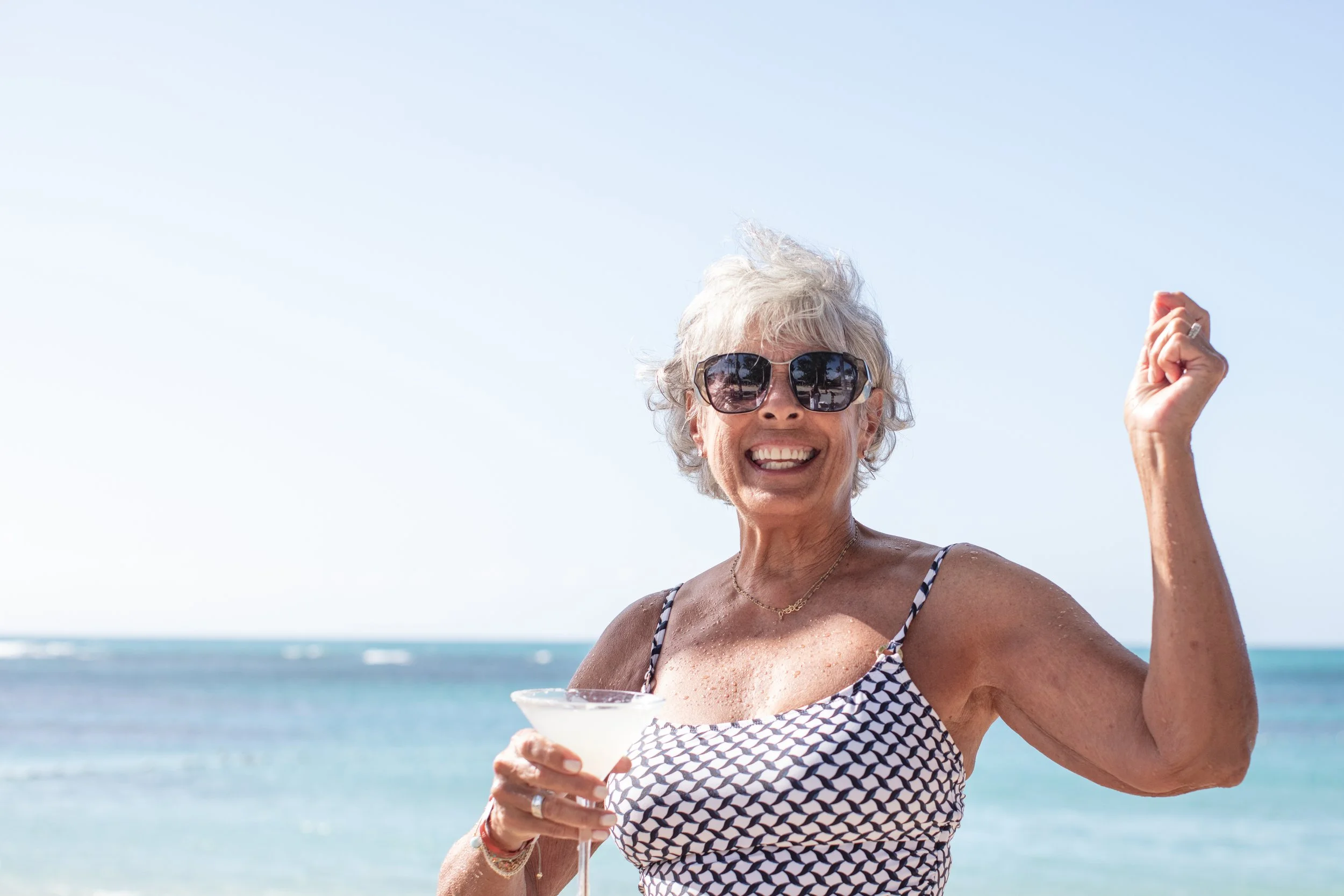
Sometimes it's the wind in someone's hair.

The genuine laugh between takes.

The athlete covered in sweat after a workout.

The imperfect texture of a handmade product.

The way someone naturally interacts with their environment.

The little details that couldn't have been planned or generated.

These moments create visual authenticity.

And for brands built around people, experiences, wellness, fitness, adventure and lifestyle, those details are often the most powerful part of the story.

Your brand is more than a logo

A strong visual identity isn't just about colours, fonts and a logo.

Your photography is one of the most important ways people experience your brand.

Think about what someone sees when they land on your website or Instagram account.

Do they see generic stock photography?

Do they see the same type of polished images as everyone else in your industry?

Or do they immediately get a sense of who you are, what you do and what makes you different?

Your imagery should communicate your brand before someone reads a single word.

For a fitness brand, that might mean capturing energy, movement, strength and real human connection.

For a wellness brand, it might be about calm, texture, natural light and meaningful details.

For an outdoor company, it could mean documenting real people using your products in the environments they're designed for.

For a personal brand, it means showing more than what you look like. It means showing who you are and what you bring to the table.
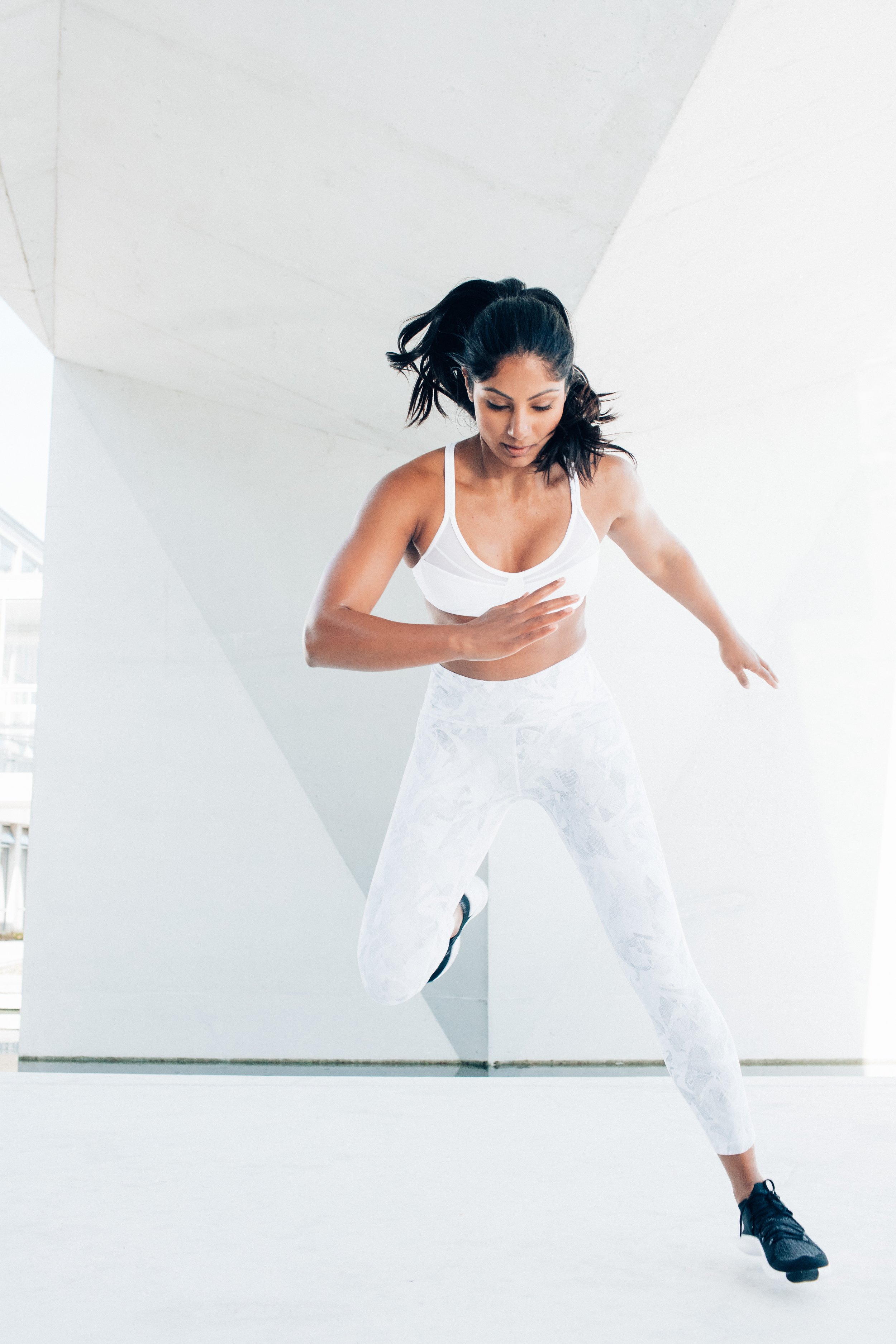
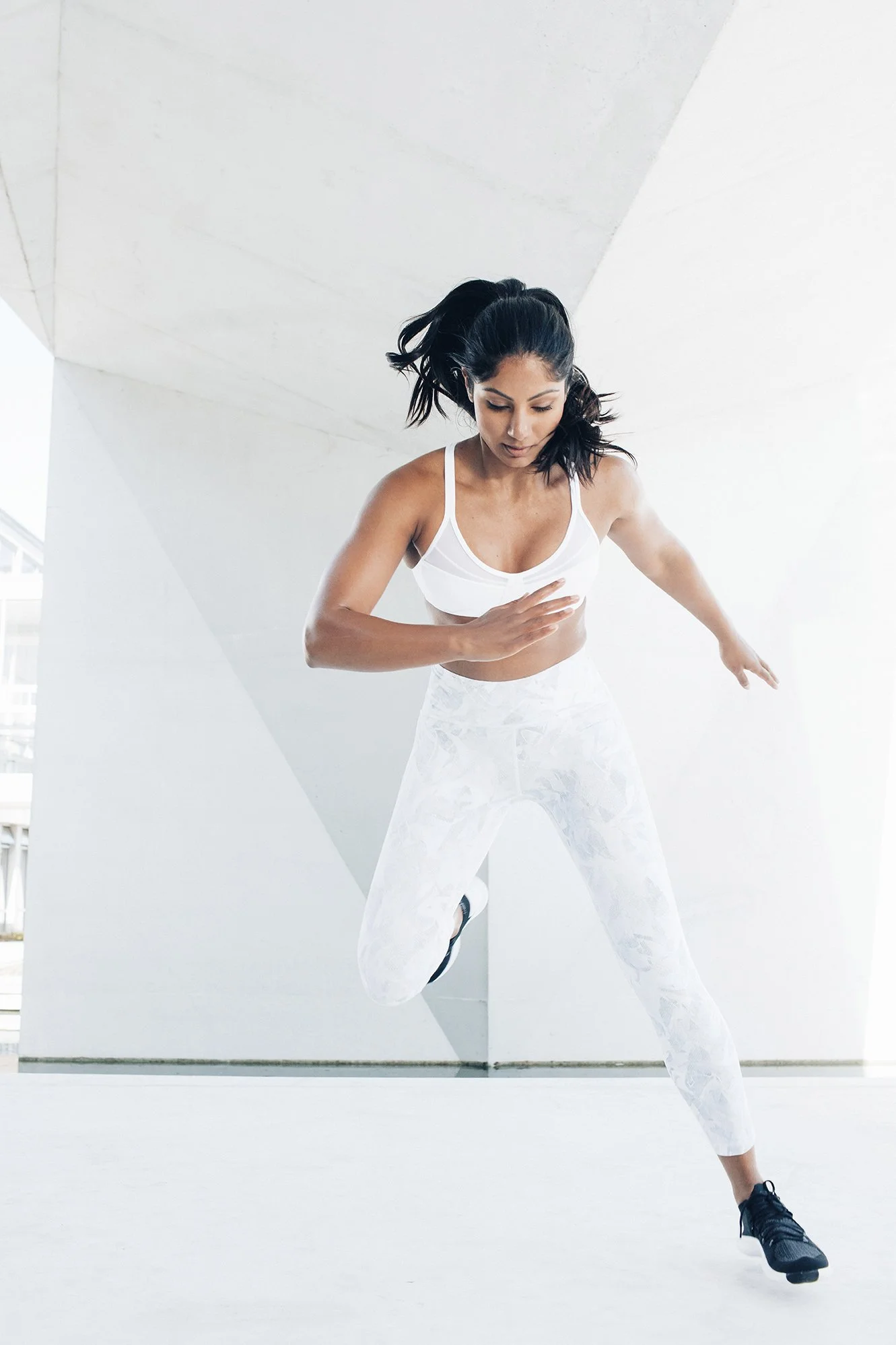
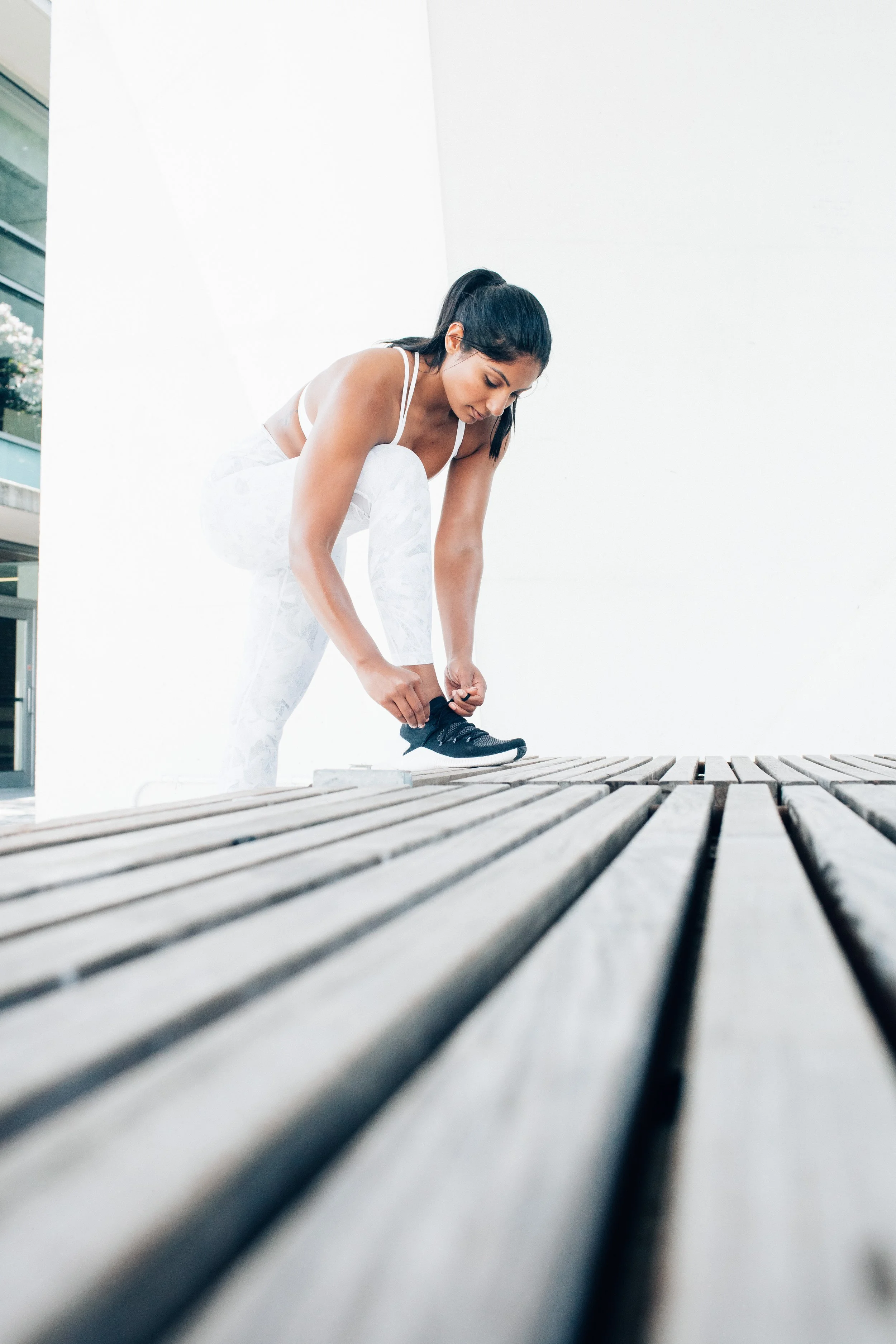
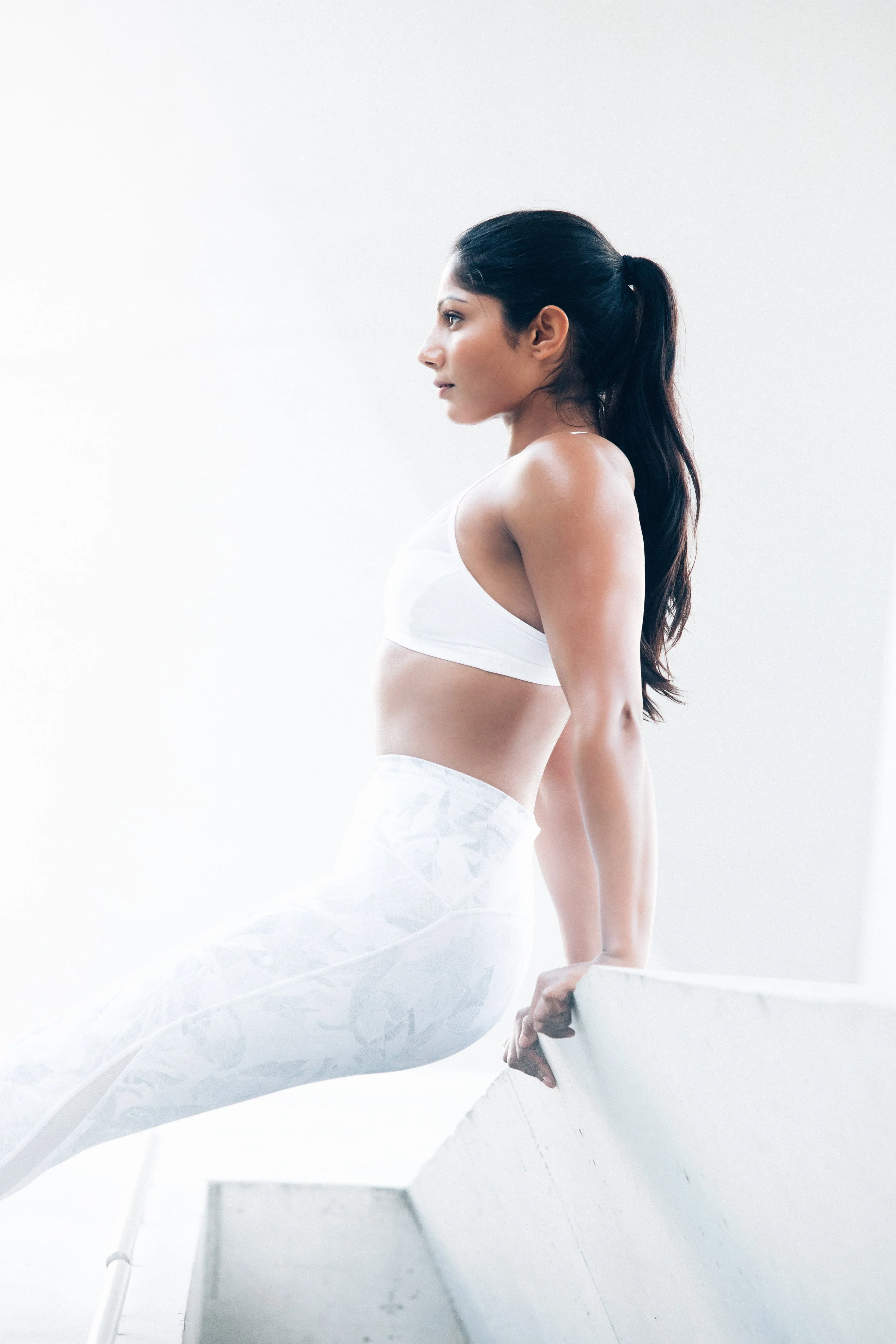
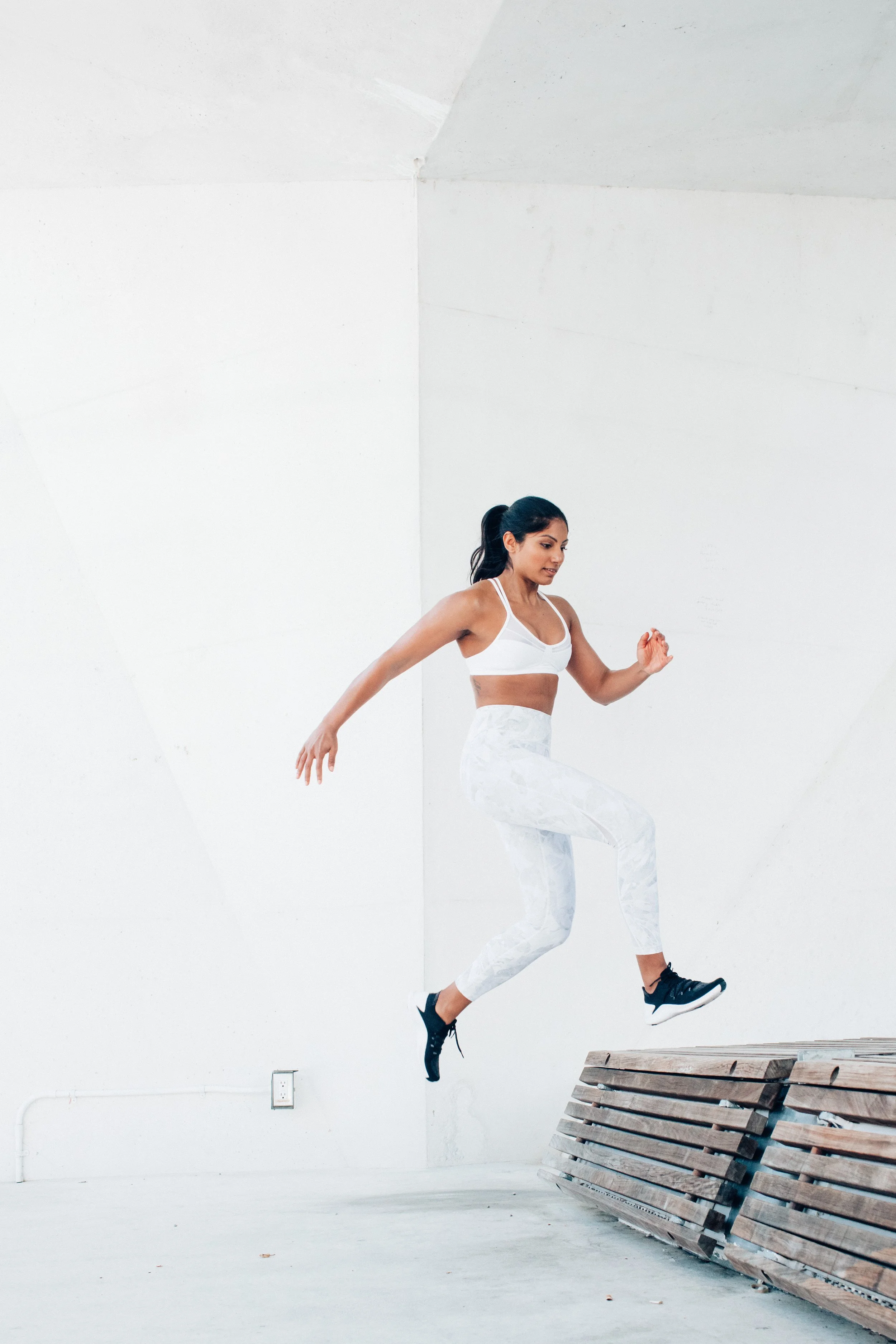
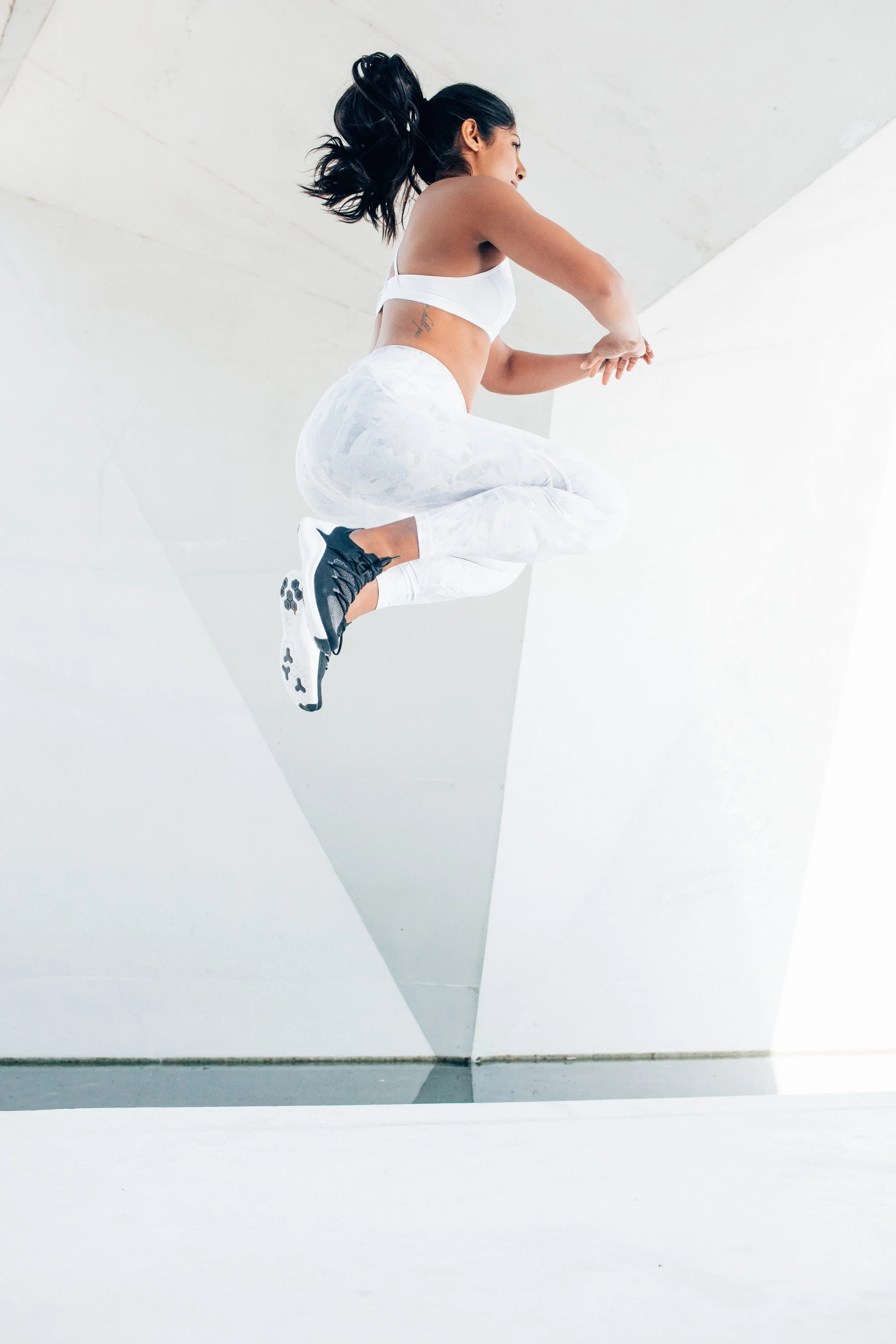
Fitness lifestyle photo of women in white Lululemon leggings and top

Personal branding photography is about telling the bigger story

A professional headshot has its place.

But your personal brand is much bigger than your headshot.

Today's audiences want to see the person behind the business.

They want to know what you do, how you work, what you're passionate about and what it feels like to work with you.

That's where personal branding photography becomes powerful.

Instead of creating one polished portrait, a well-planned branding session can give you an entire visual library:

  • Professional portraits

  • Environmental portraits

  • Images of you working

  • Behind-the-scenes moments

  • Lifestyle imagery

  • Detail shots

  • Product photography

  • Website banner images

  • Social media content

  • Images that show personality and expertise

The result isn't simply a collection of photographs.

It's a visual toolkit for your brand.

Real photography gives your brand something AI can't

AI can generate a convincing image of almost anything.

But it can't photograph your actual team having a conversation.

It can't document your real customers using your product.

It can't capture the exact environment where your business operates.

It can't recreate the relationship between an athlete and a coach.

It can't photograph the subtle details of your product that make it uniquely yours.

And it can't replace the experience of being there.

Those real moments become part of your brand's intellectual and visual property.

They're proof that your business exists, that your people are real and that your story is yours.

The future isn't AI vs. photography

I don't believe the future of commercial photography is about choosing between AI and real photography.

AI is going to continue to be an incredibly useful creative tool.

The opportunity for brands is to use technology where it makes sense while continuing to invest in the things that make their brand human.

Use AI to explore ideas.

Use it to brainstorm concepts.

Use it to experiment.

But when it comes to showing your people, your products, your customers, your locations and your story, there is still enormous value in being there with a camera.

Because your brand shouldn't look like everyone else's.

It should look like you.
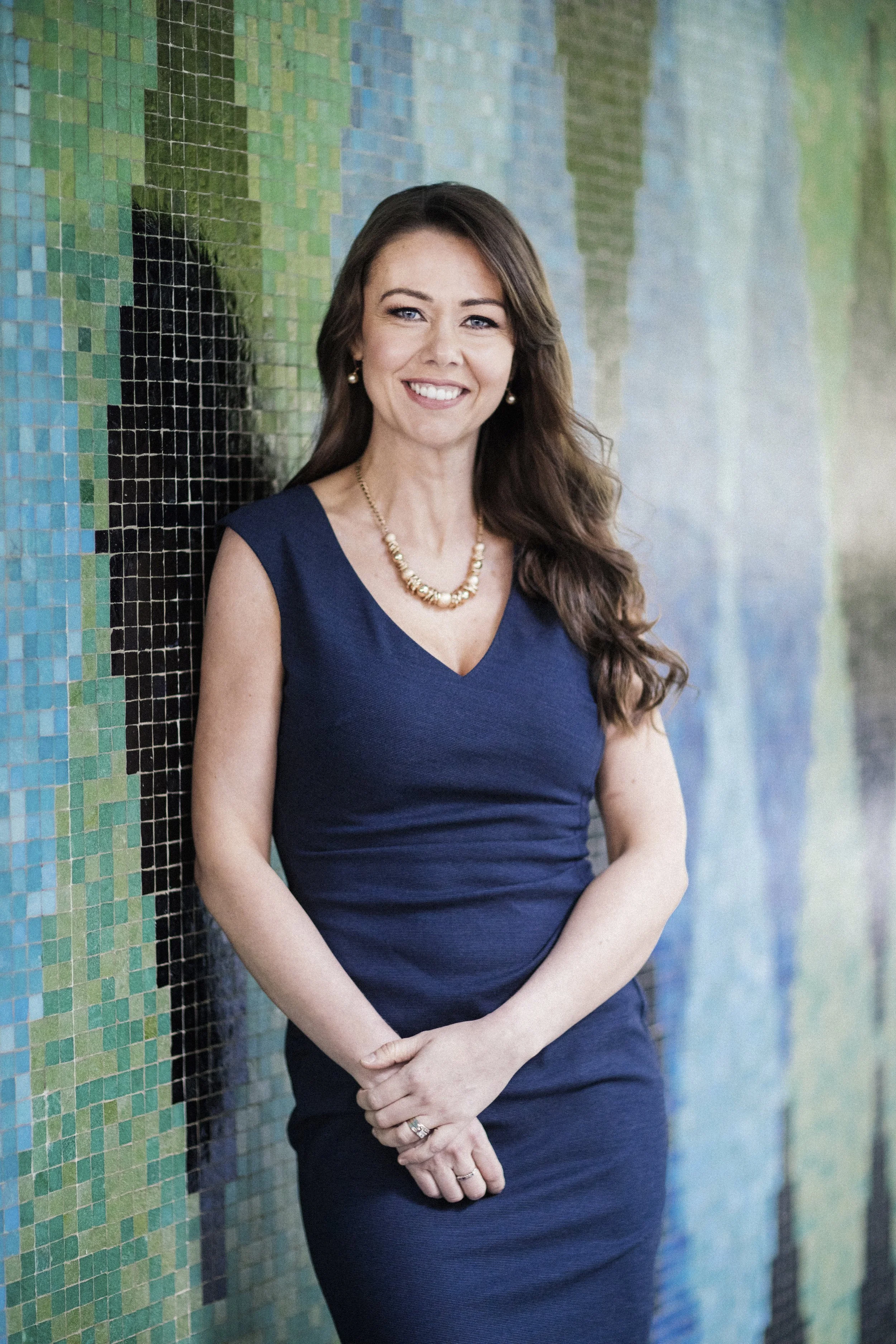
Realtor Headshot in Vancouver BC

Authentic imagery is an investment in trust

Your website, social media and marketing materials are often the first experience someone has with your business.

Before they contact you, buy your product or walk through your door, they're already forming an impression.

Professional photography gives you an opportunity to control that first impression with images that are intentional, consistent and authentic to your brand.

The goal isn't simply to make your business look good.

It's to make people feel something.

Curiosity.

Trust.

Connection.

Inspiration.

A desire to be part of what you're building.

And in a world increasingly filled with generated imagery, those human connections may become one of the most valuable things a brand can own.

Your brand has a story. Make sure people can see it.

Whether you're launching a business, building a personal brand or looking to refresh your company's visual identity, professional photography can give you the authentic imagery you need to communicate your story.

I create authentic brand, personal branding, lifestyle and commercial photography for fitness, wellness, outdoor and lifestyle brands in Vancouver and beyond.

Let's create imagery that doesn't just represent your brand—but feels like your brand.
May 13th, 2026 . Fitness Photography: Capturing Strength, Movement, and Real Energy

Fitness Photography: Capturing Strength, Movement, and Real Energy

Fitness photography, at its core, is not about perfection. It’s about energy. It’s about that split second where effort turns into expression—where movement, discipline, and personality all come together in one frame.

Over the years, I’ve found that the most compelling fitness images are never the ones where everything feels staged. They’re the ones where something real is happening. A breath between reps. A moment of focus before a sprint. The subtle shift in posture when someone forgets the camera is even there.

That’s where the story lives.

Beyond the “fit aesthetic”

Social media has shaped a very specific idea of what fitness photography should look like—clean lines, posed symmetry, polished bodies under perfect light. While there is a place for that, it often misses the deeper layer: why the movement exists in the first place.

When I photograph athletes or individuals in training, I’m more interested in:

  • the intention behind the movement

  • the rhythm of their training

  • the quiet discipline that doesn’t always get seen

A strong image doesn’t just show what someone looks like. It reflects what they do consistently when no one is watching.

Creating space for real movement

One of the most important parts of a fitness shoot is letting go of over-direction.

Yes, there is always intention behind light, location, and framing—but within that structure, I like to create space for people to move naturally. To run, jump, stretch, lift, reset. That unpredictability is what brings life into the frame.

Often, the best images happen in between instructions.

Location as part of the story

Whether it’s a track, a gym, a beach, or an urban space, location is never just a backdrop. It contributes to the narrative.

A concrete parkade feels different than a forest trail. A university track carries a different energy than a private studio. Each space adds its own layer of meaning to the final image.

Choosing location is always about asking: what environment reflects this person’s relationship to movement?

The human side of fitness

At some point during every shoot, the surface drops away. The performance fades. What’s left is a person fully present in their body—focused, tired, energized, sometimes all at once.

That moment is what I look for.

Because fitness photography isn’t really about fitness alone. It’s about resilience, identity, and how people show up for themselves over time.

Final thought

The strongest fitness images aren’t about looking strong.

They’re about feeling strong—honestly, imperfectly, and in motion.

That’s what makes them real.

May 5th, 2023 . A personal branding shoot with a nutritionist.

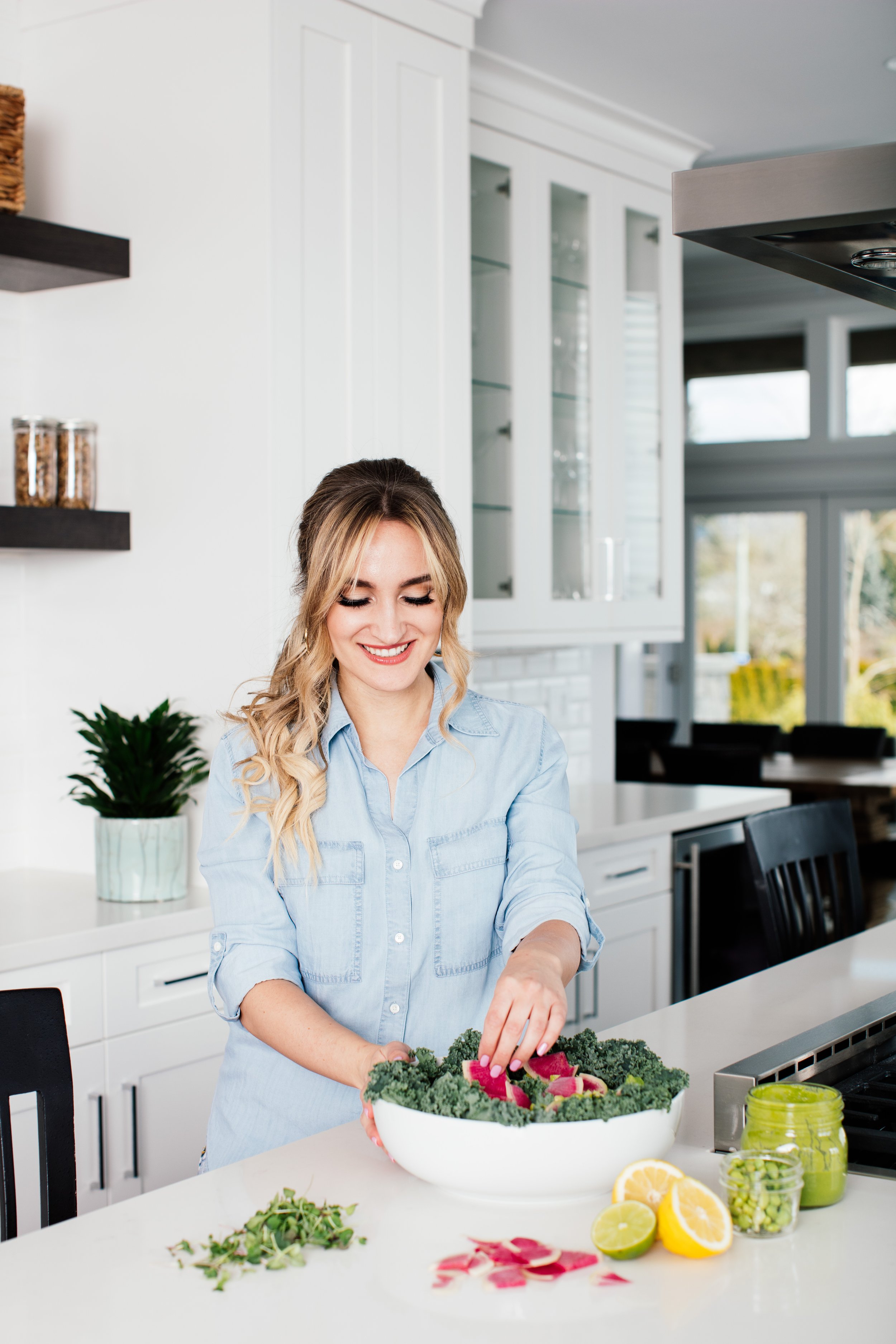
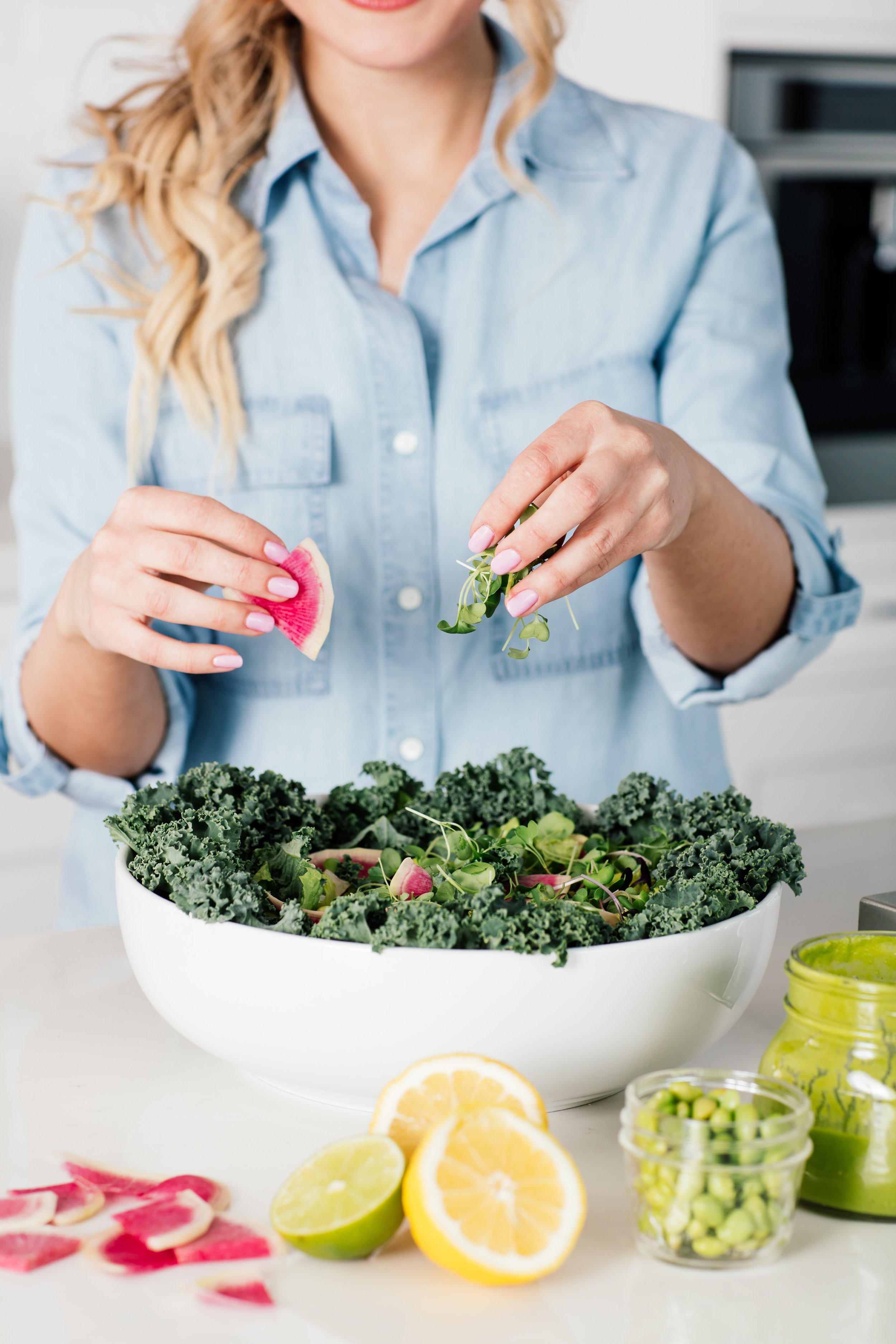
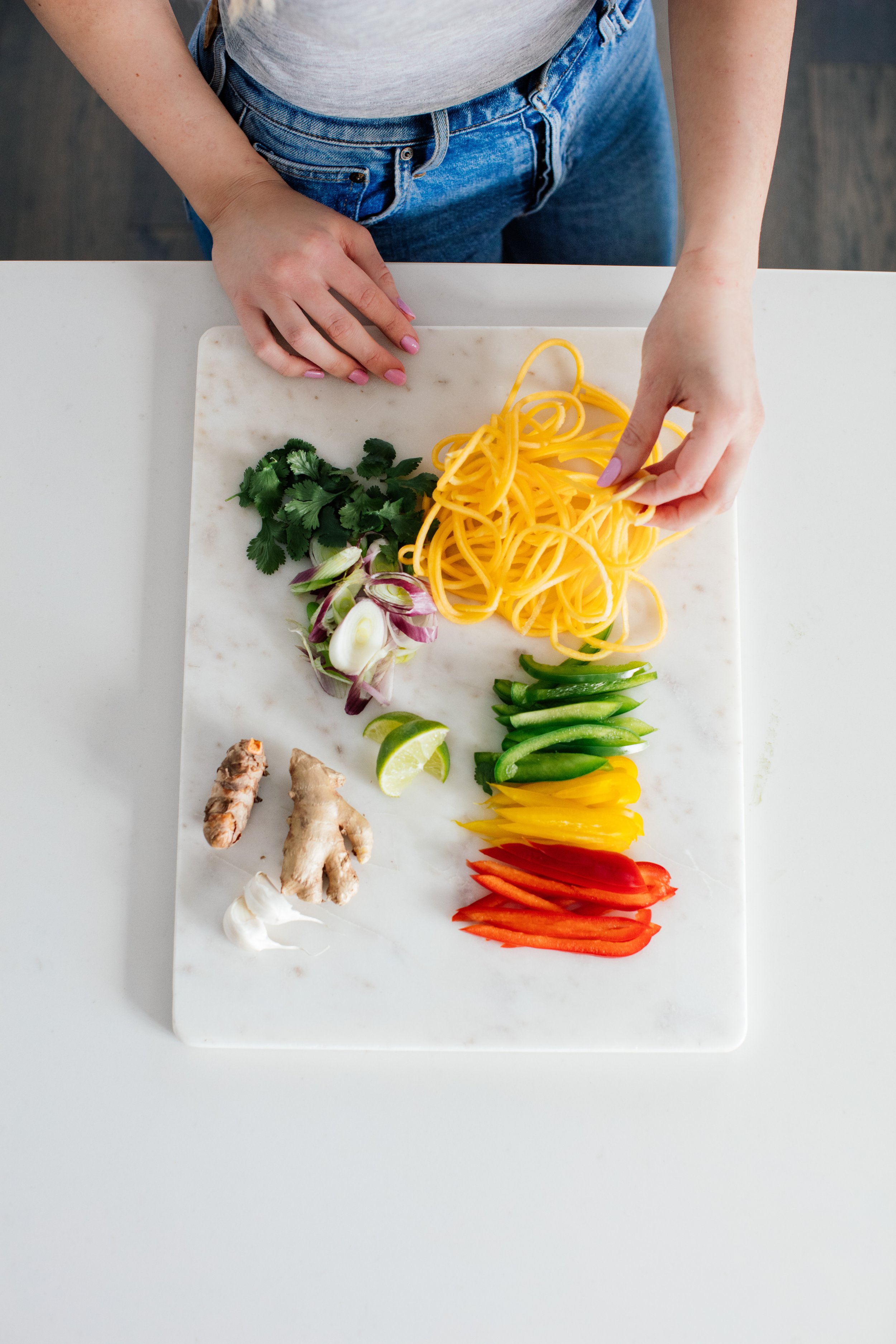
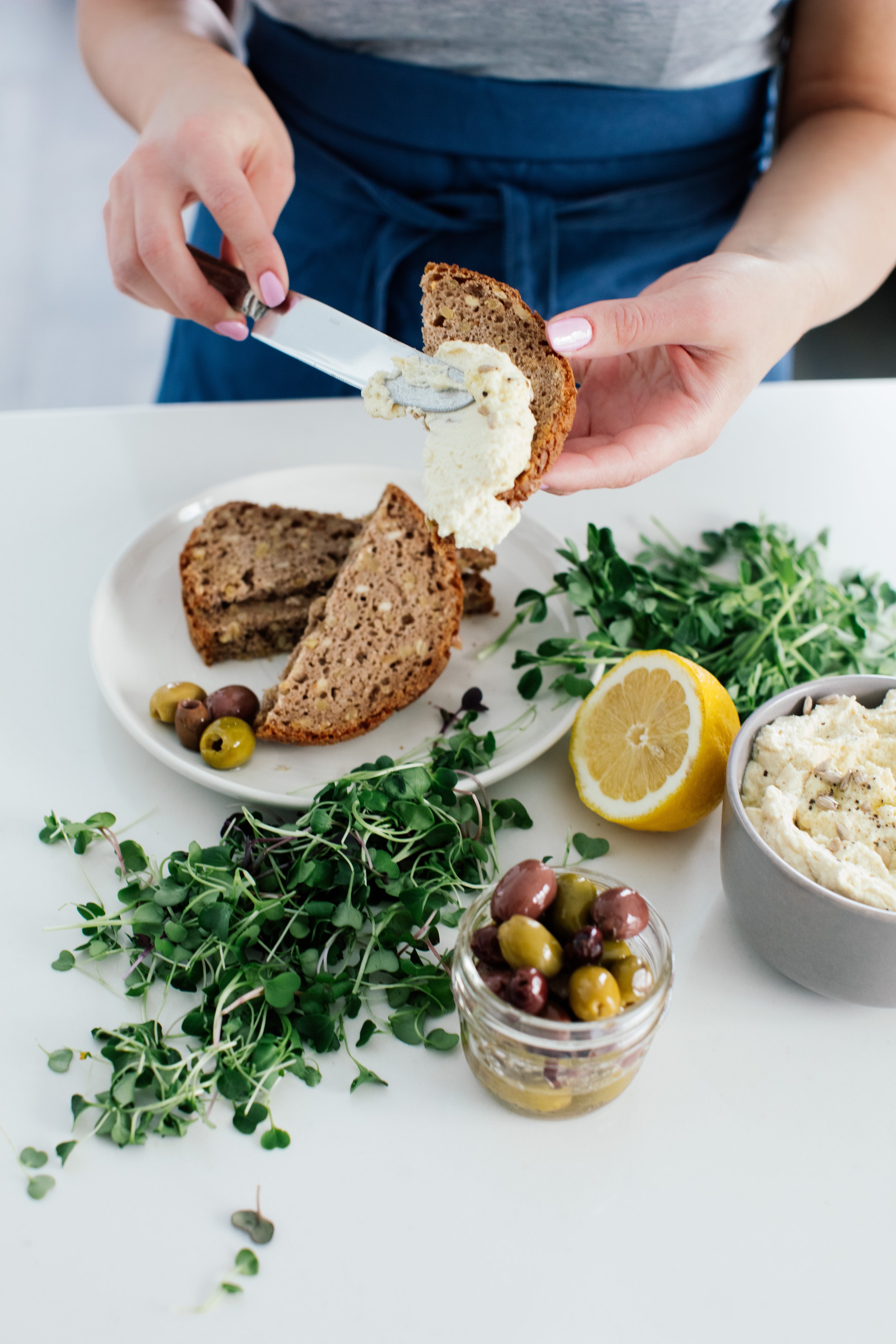
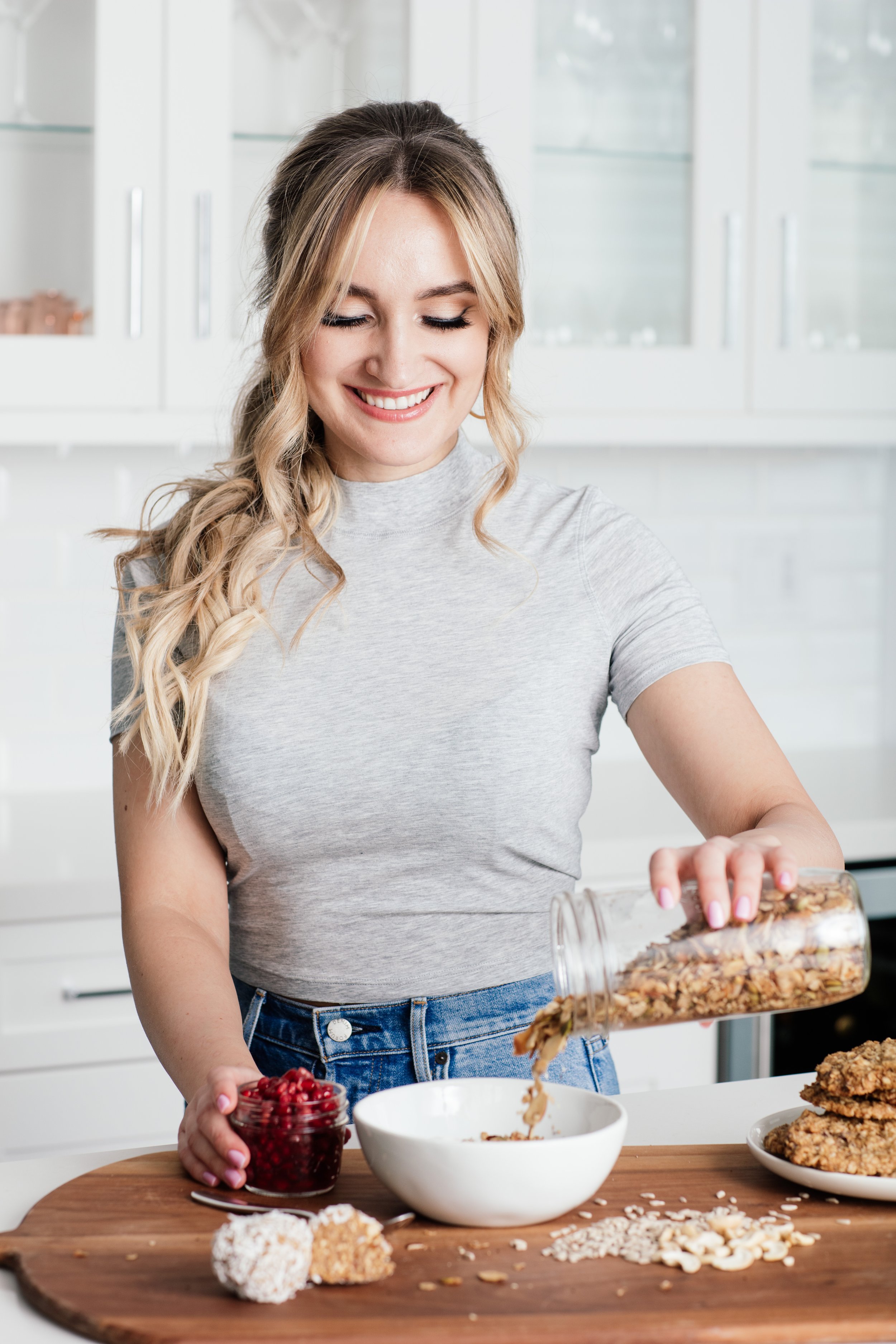
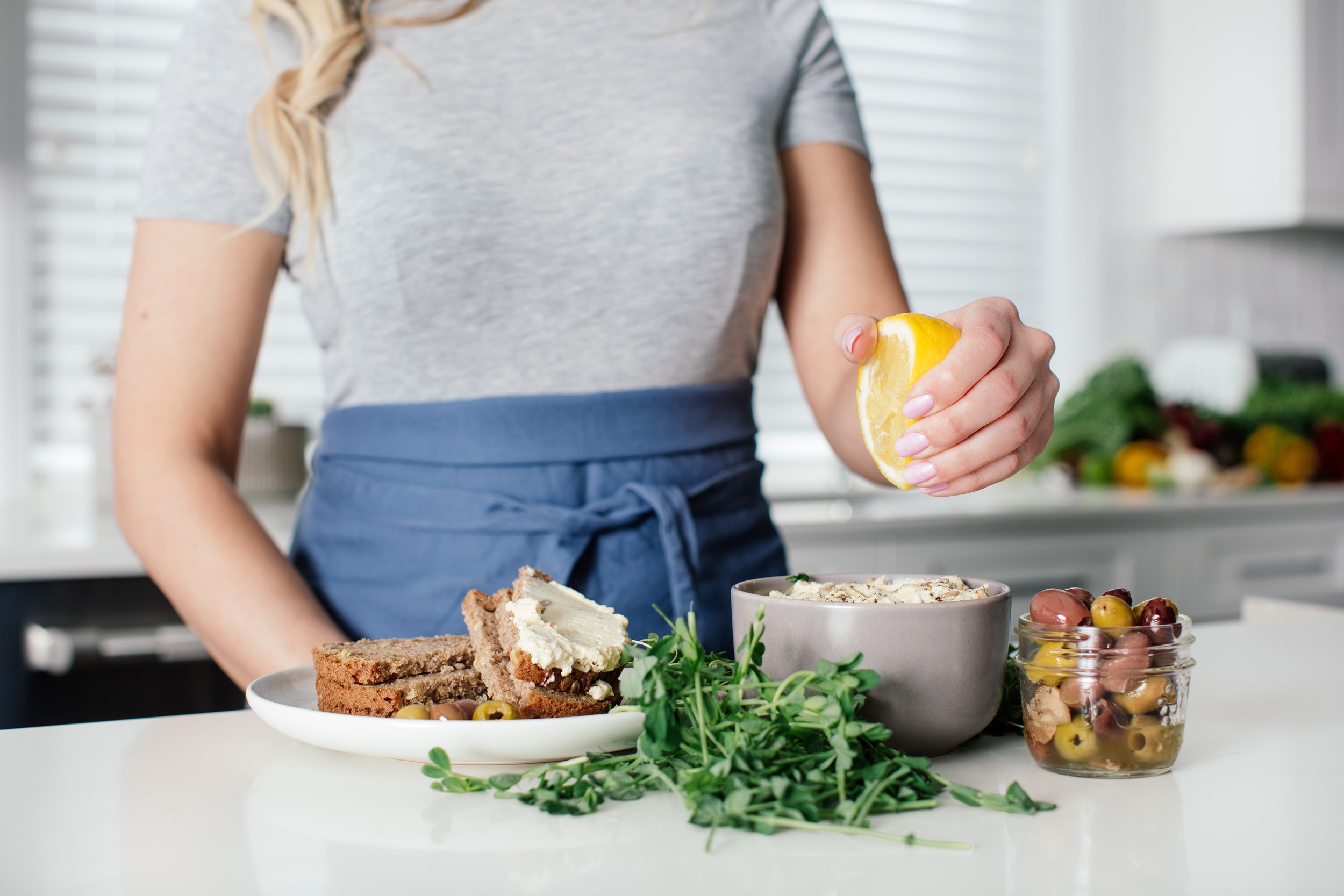
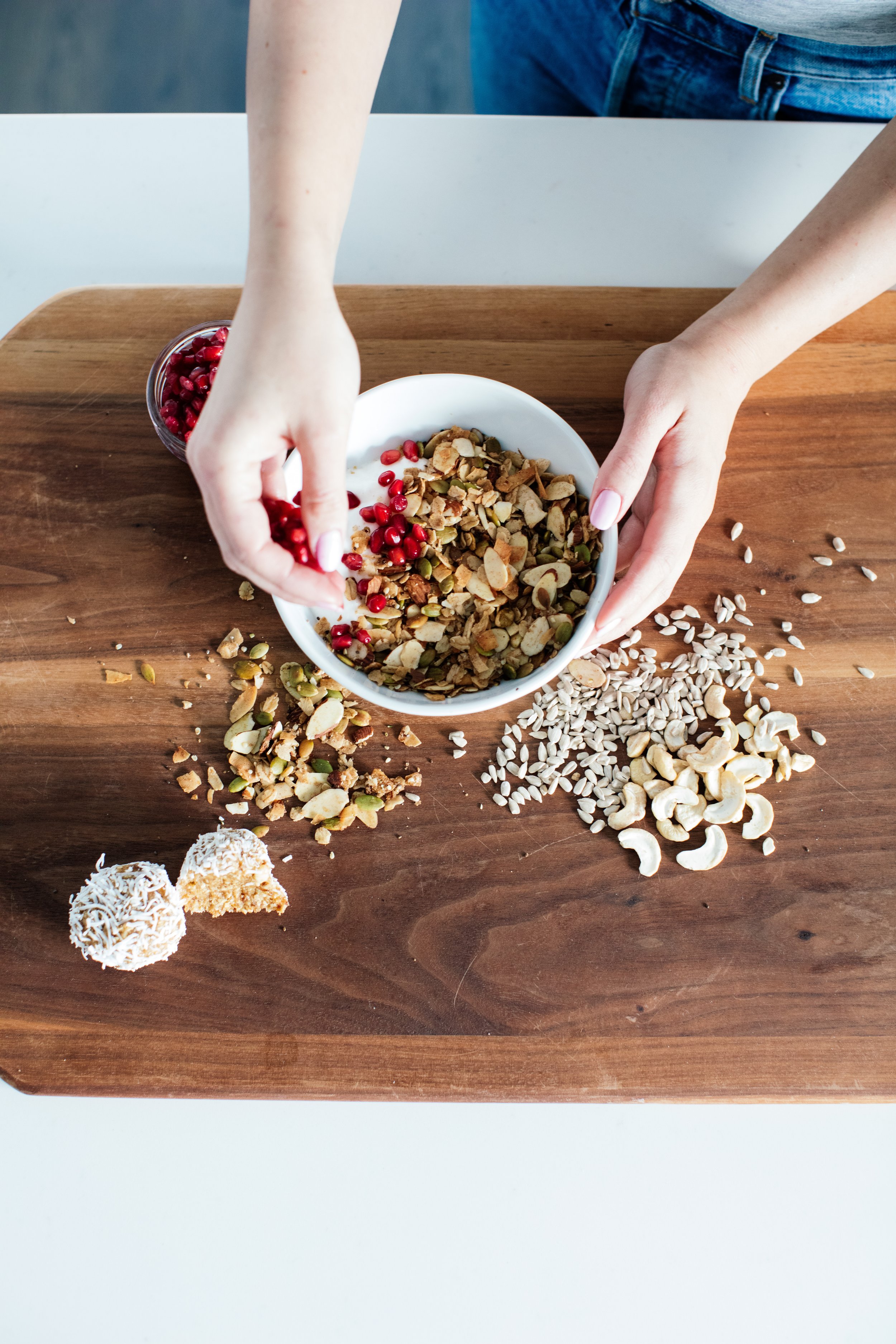
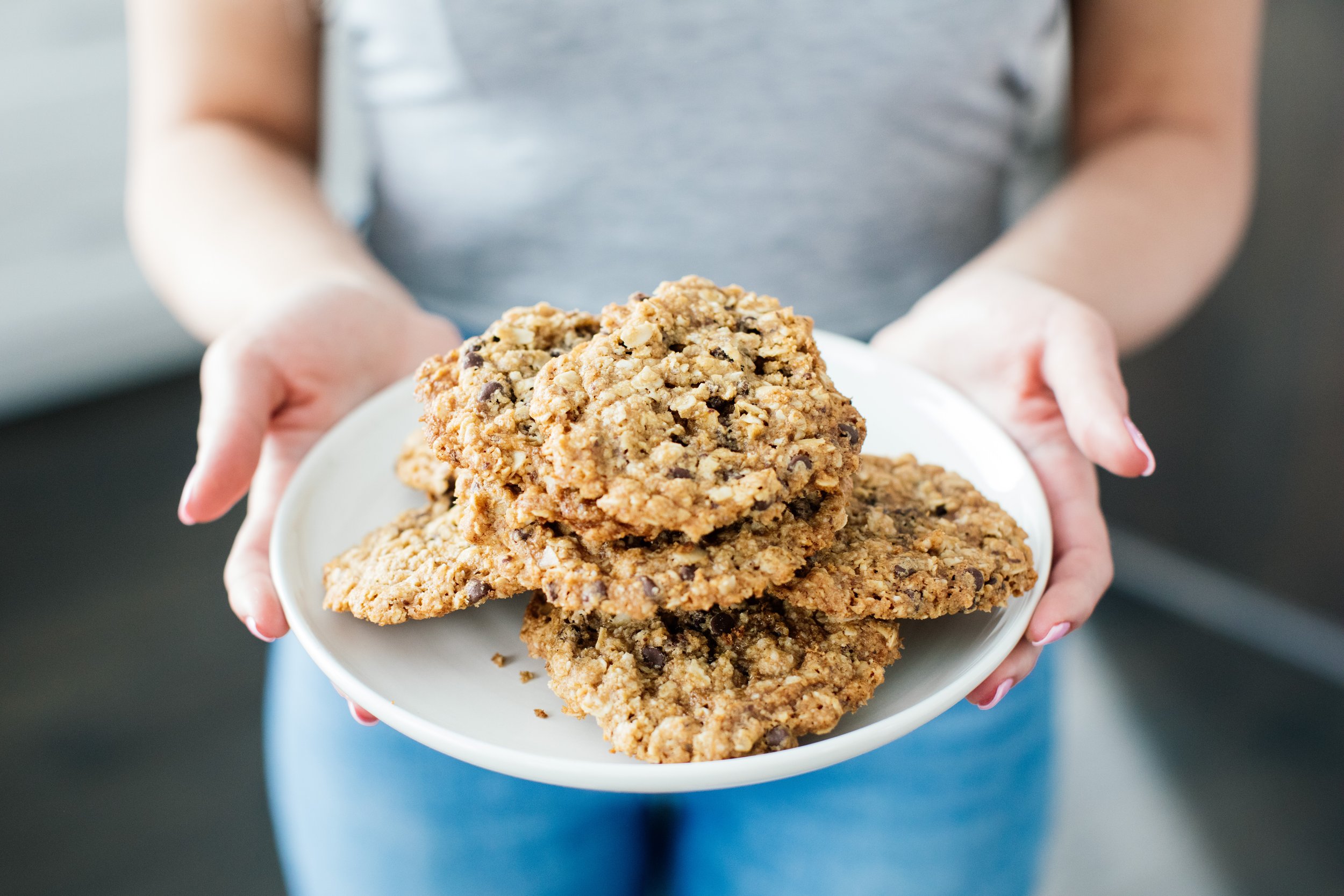
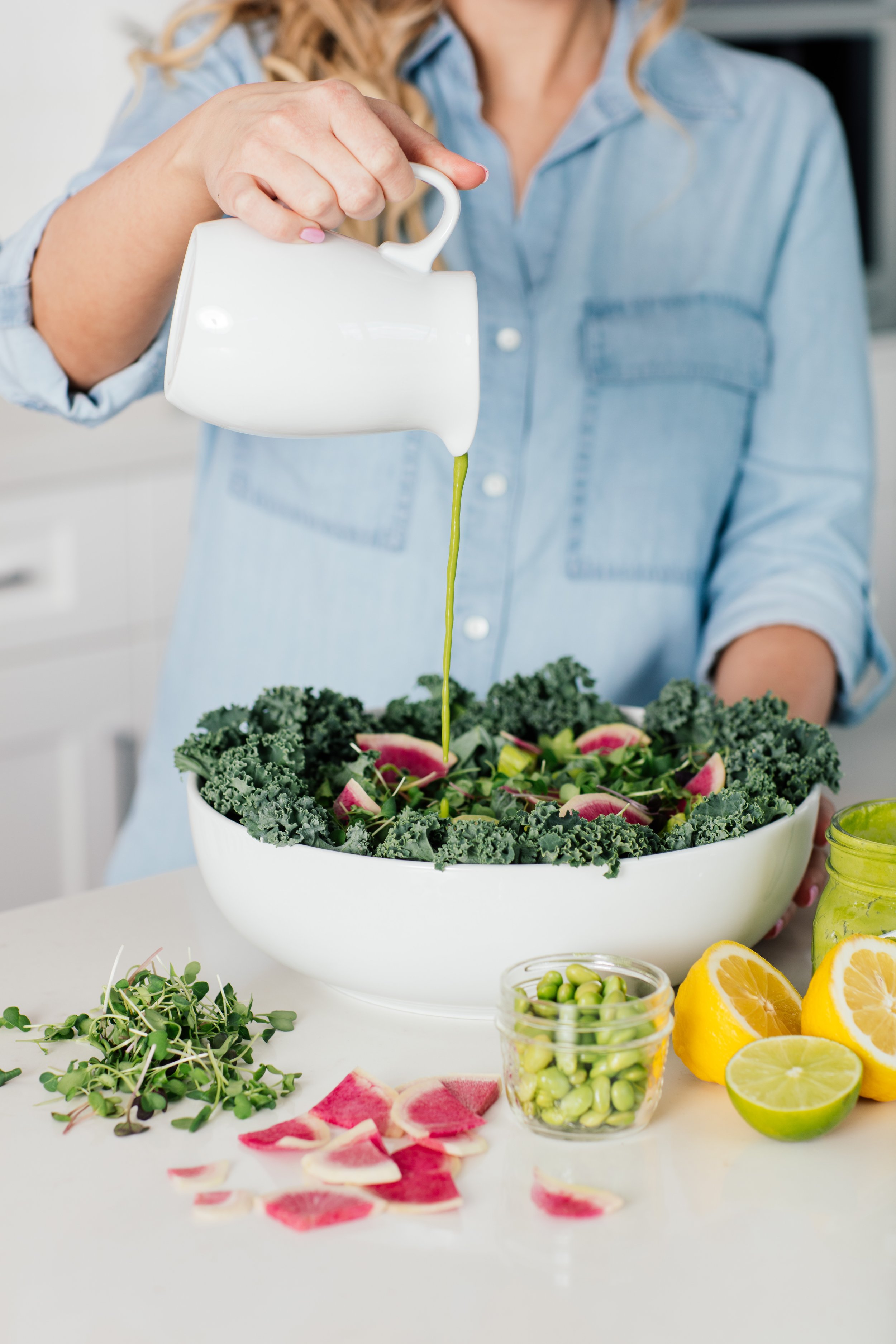
Shooting with nutritionist Rosina Vecchio, was a fun experience. The goal was to capture images that not only showcased her personality and expertise but to promote her approach to food and nutrition. There was a bit of work on her part leading up to our photoshoot with food preparation but also to bring a range of fruits, veggies, ingredients and props. Here are some of thing I go over with clients when planning a personal branding photoshoot.

When working with professionals and branding, we always have at least a couple of consultation calls or meetings to talk about the vision, the mood, the location, lighting, props, makeup, wardrobe amongst other details.

For this particular project Rosina had borrowed a friends kitchen to shoot in which was nice and big, given us space to move around and the ability to create slightly different backgrounds for a variety of shots.

A few things to consider when you plan a photoshoot in a house are:

  • how much ambient light there is.

  • what are the colors you will be dealing with? Is it a neutral tones which is ideal in most circumstances or; are the walls dark or brightly colored which can affect the lighting and cast weird colors on someone’s skin. If there is a lot of color but nice ones, maybe you just need to coordinate your props and wardrobe accordingly.

  • is the house really cluttered because that can quickly become a nightmare to deal with. If so, can we move stuff around if we have to?

  • are the cabinets highly reflective? that can create problems because you can start seeing your own reflection in the images.

Here are some key tips to organizing a personal branding photoshoot:

Create your moodboard of ideas, colors, props, looks and share it with your photographer.

It’s important that you everything is discussed in detail prior to your shoot, so everyone is one the same page and understands the vision and what kind of images we are trying to create.

Make sure you have your shot list:

Create a list of shots you need and extra in case you have time. Make sure someone is checking things off the list as you go along. You don’t want to walk away from you shoot forgetting to shoot a shot that was on the list.

Decide what the style and mood with lighting will be:

Lighting is one of the most important elements of any photoshoot. For a nutritionist's photoshoot, it's important to create a bright and airy atmosphere that promotes healthy living. Use soft, diffused lighting to create a warm and inviting feel. You can also experiment with natural light by shooting near a window or outside in the fresh air.

Choose your prop wisely:

Use props that speak to your audience and matches your brand. Choose colors that will compliment and not clash with the surrounding colors include your outfits and color pallette on your website. You could bring fresh fruits and vegetables, a blender, or a glass of water, a lemon squeezer, cutting board, knife and other items that promote cooking healthy and nourishing foods and put in contexts. This will not only add interest to your photos but also emphasize the nutritionist's expertise and message.
Experiment with poses and expressions

Try to create realistic situations like making a salad, drizzling the dressing, squeezing a lemon and make sure. A nutritionist should appear knowledgeable, confident, and approachable in their photos. Try different poses that showcase your personality and expertise. Help the photographer be able to capture expressions such as a smile or a laugh that promote positive energy and health. This will make you potential clients identity with you and picture themselves being happy prepping and cooking health foods in their own kitchen. Remember you are selling you as a brand, not necessarily your service. Your client wants to work with you to inspire them to want to be better at feeding themselves and their family. That’s why it’s so important to show your personality in your brand. Be authentics!
You don’t have be in every shot:

Think of your social media needs and other advertising photographic content visual to post. You might not need to have your face in every shot. Set up some platters, bowls and props and let the photographer move in closer to get some details shots. Thinks quality and variety!

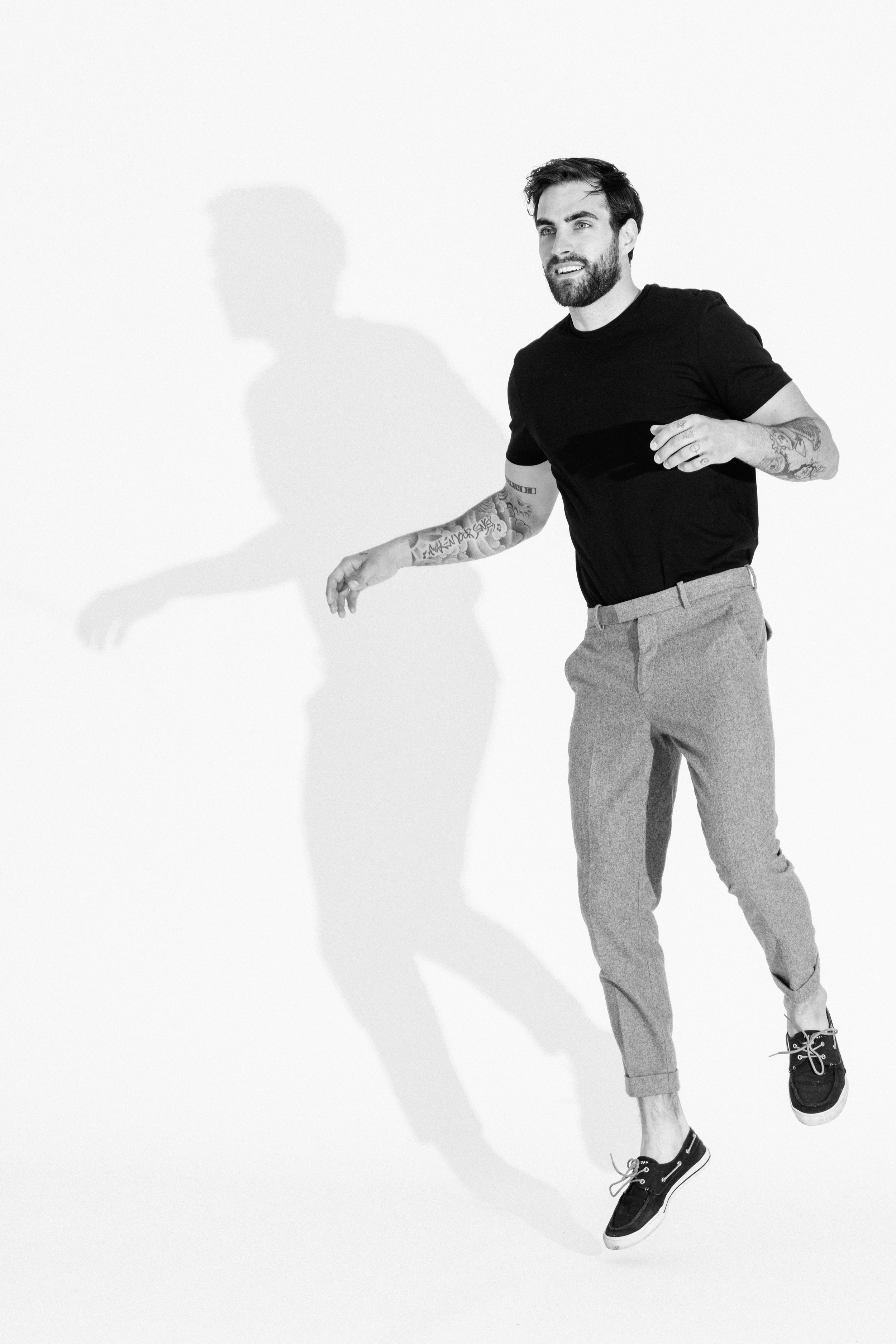
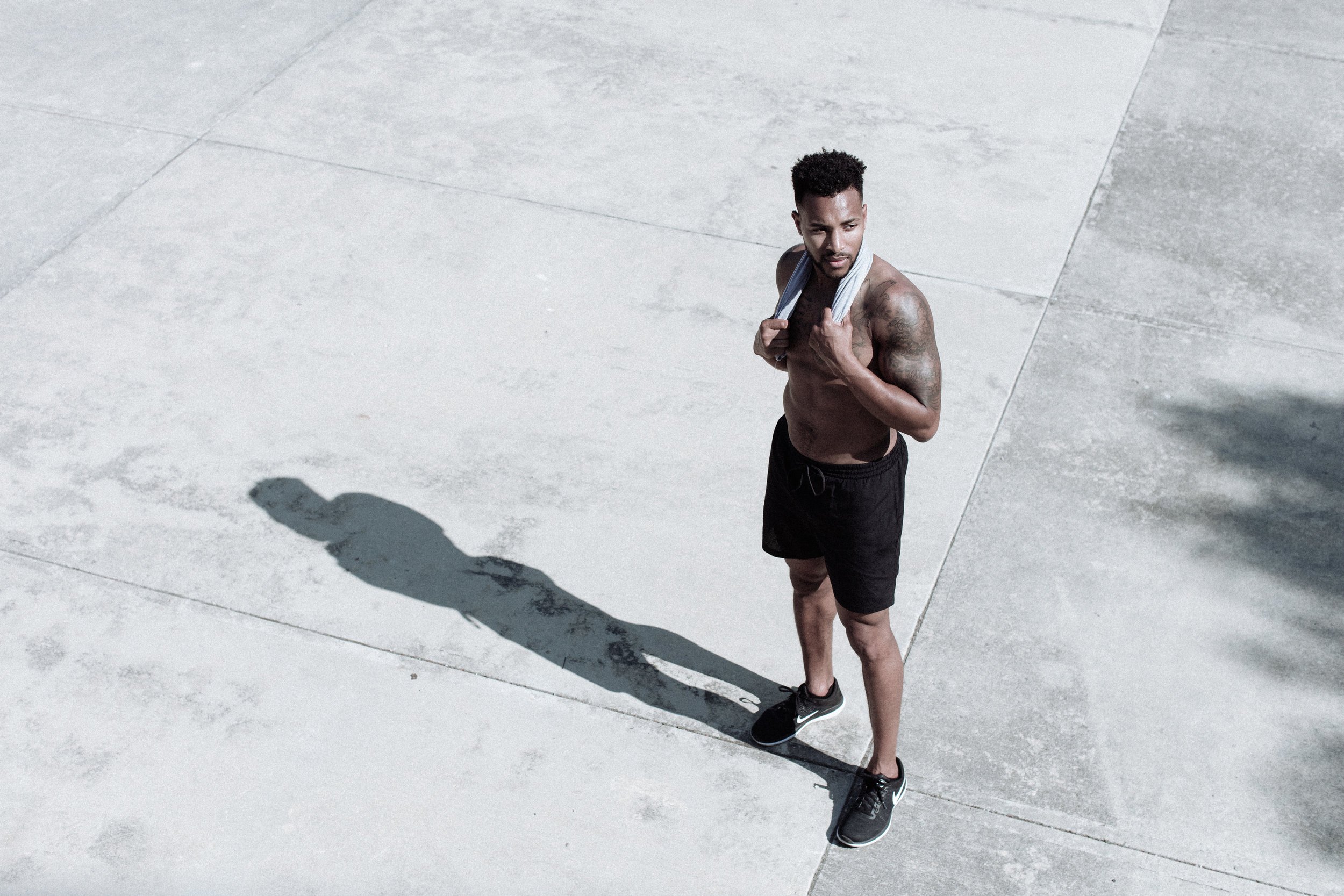
May 04, 2023 . Playing with shadows and reflections in photography.

As a photographer you can’t seem to help seeing things that maybe most people are not really paying attention to. It’s not that they are not paying attention necessarily but they just don’t see the things you see because it’s part of your job. I mean after all, that’s why people pay photographers. They pay for their ey and skill of seeing and creating images by using light, lines, shadows, reflections and other components all with the perfect composition.

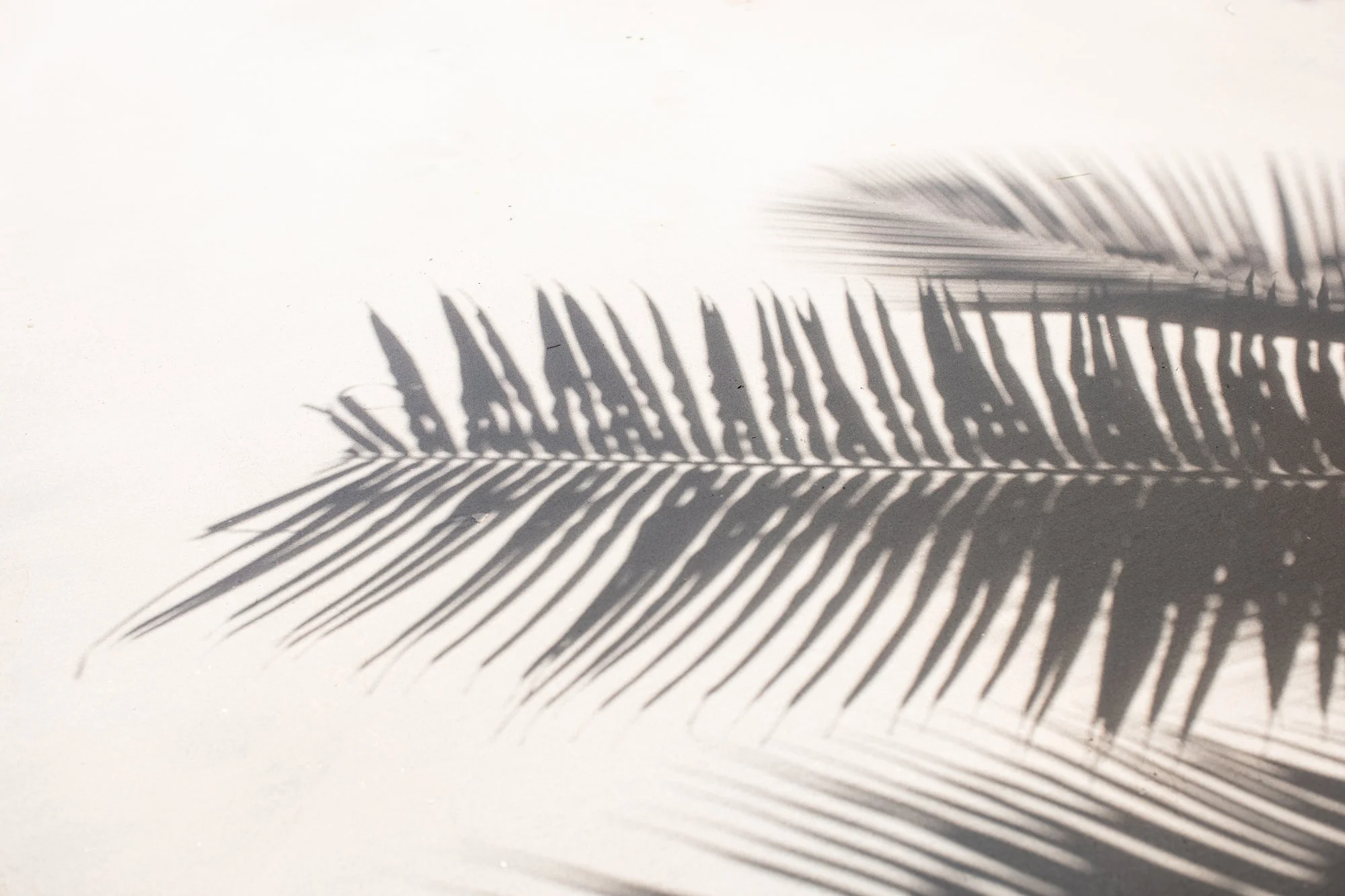
Shadows.

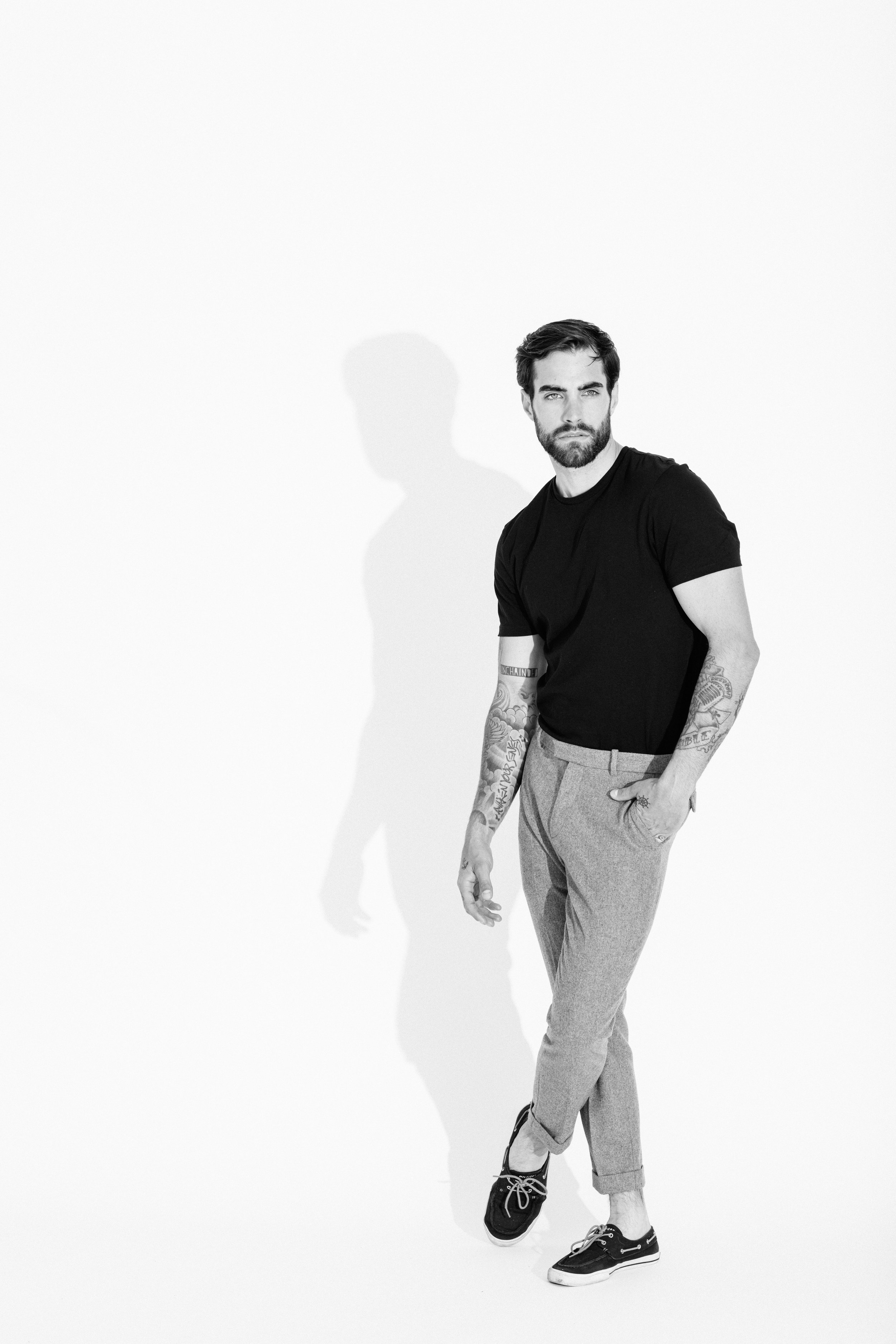
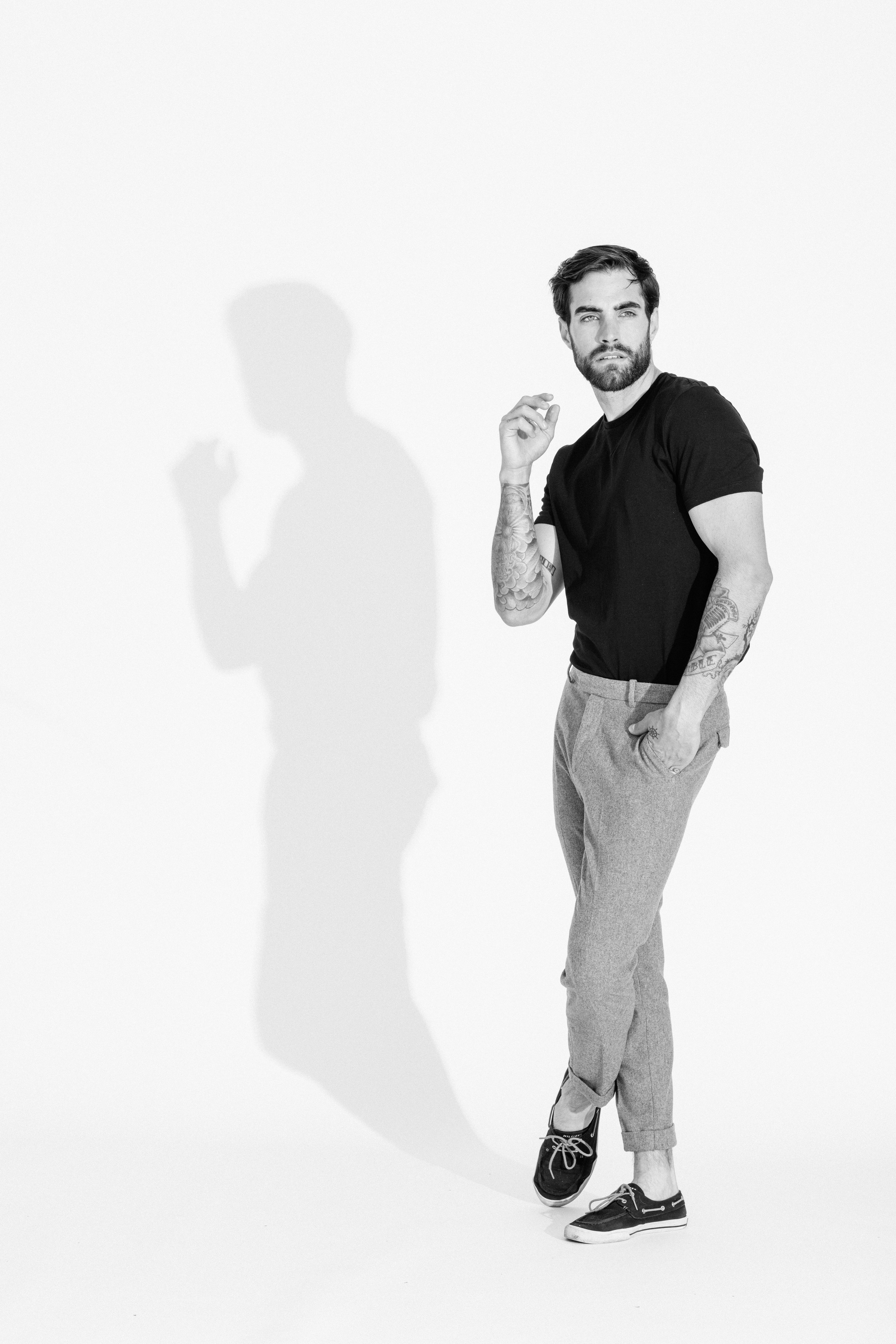
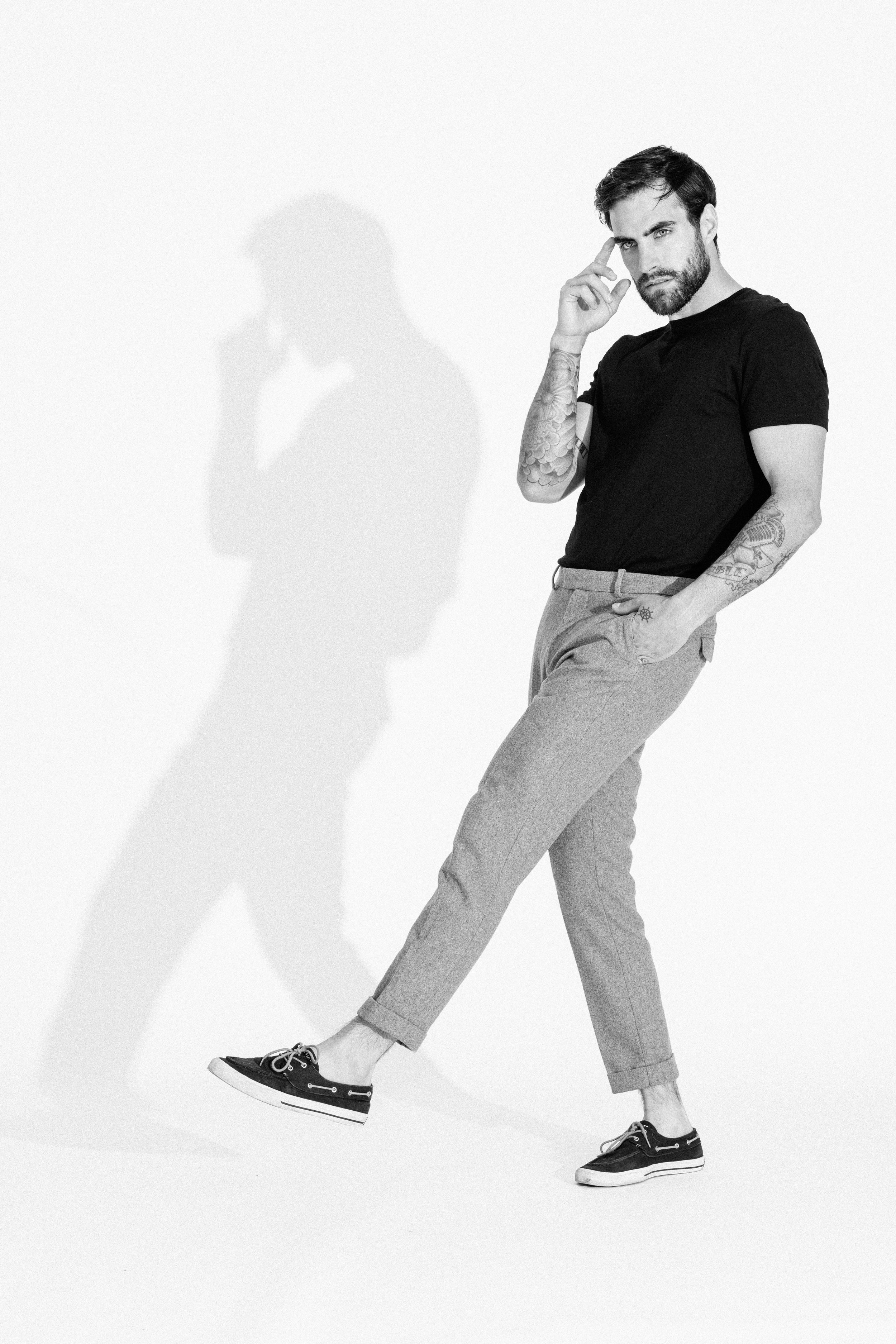
Creating shadows in a studio space is like trying to mimic sunlight with your studio lights. As kids we all look and play with shadows on the pavement on a bright sunny day and it’s sort of the same in studio. To create shadows, you need a hard light. Soft light with a big light modifier helps to minimize shadows, so you definitely want to keep the light source a light harder. Just like the sun, when the sky is overcast, shadows start to disappear and if you shoot in midday sun on a very sunny day, the shadows are the most sharp.

The light source set at an angle to the wall, to cast a strong shadow. You can experiment with the distance and the angle of the light of your subject to achieve the desired effect.

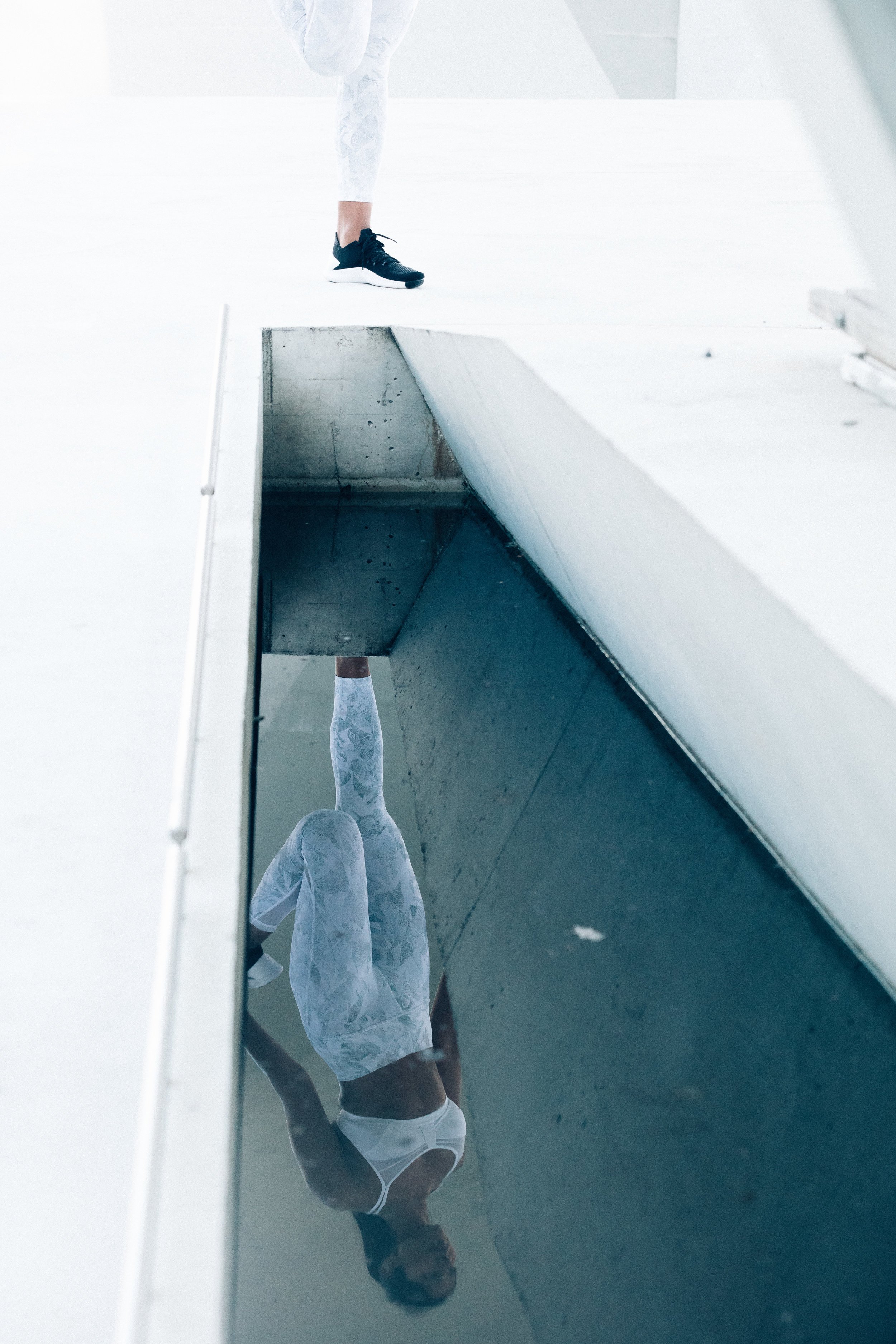
Reflections.

You can find reflections everywhere but you have to look for them as they might not always be obvious. Look down and around to find them. They can add depth and a different perspective to your images. Experiment with angles and distance just like shadows to make the perfect composition. Nature provides lots of opportunities with reflections specially around any body of water. You can even find reflections in urban areas with building, windows or any shiny surface. Play around with perspectives and see what you can create.

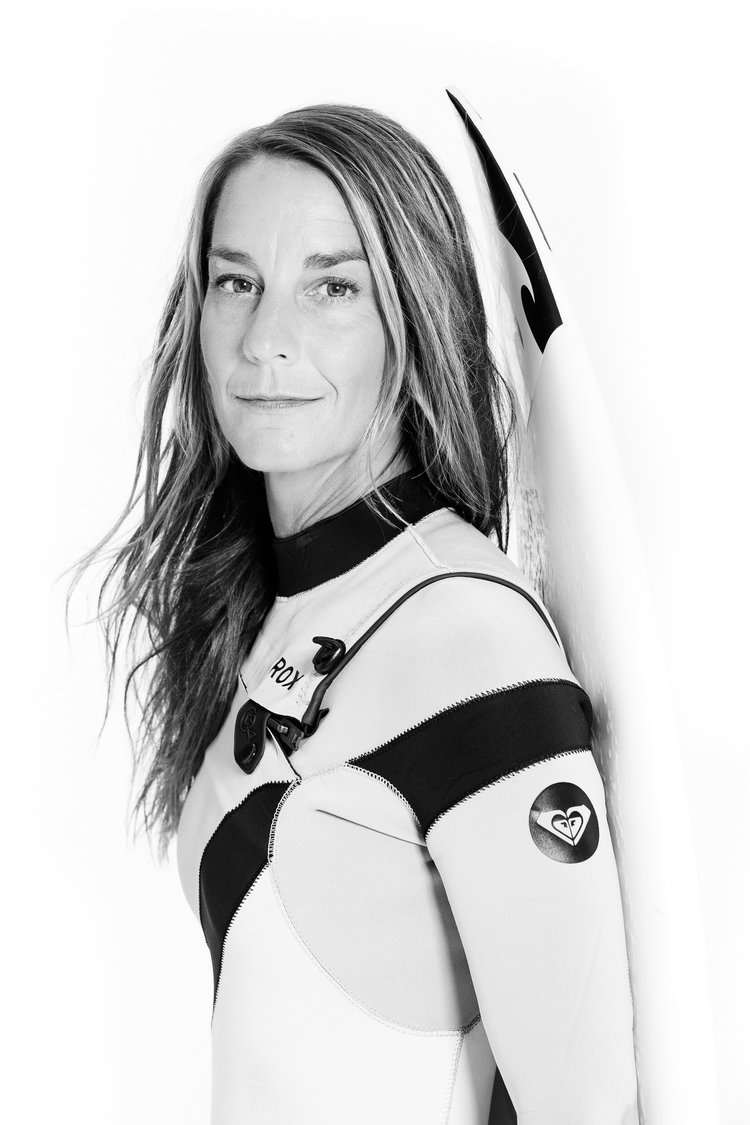
Feb.16th, 2023 Athlete portraits collection

I’ve always had a passion and fondness for sports which have a little fear factor and a big exhilaration component. Action sports have played a big part of my life. I left home at 18, leaving behind the chilling winters of the East Coast of Canada in search of new adventures and in lure of skiing the big mountains on the West Coast. So I took a drive across Canada in mid January with two friends with only one vision in mind … to do some big mountain skiing! I was lucky to spend three full seasons in Whistler and probably skied up to 120 days a year. I mean, we skied our asses off:) getting enough sleep was no my motivation at the time. I worked in the evenings so I could ski all day and no matter what time I went to bed, I was up to hit the mountain for some fresh tracks on any given powder day. I coached the kids ski racing on Blackcomb on the weekends to get my pass and I was sorted. When you’re young and noone’s depending on you, all you need is a pass and a good pair of skis, some friends ready to charge the mountain with you and your having the time of your life. I didn’t think twice about any of the dangers of what and where I was skiing. I mean, how bad can it hurt if there’s so much snow.
After my stint in Whistler, my heart was stolen by another sport which soon was all consuming and all I wanted to do. The wind and waves were calling me. I started traveling to the Oregon to the Columbia River Gorge every time I could. After soon releasing this passion was leaving me, I packed up my things, signed up for college in Portland and moved myself to the charming town of Hood River, one the world’s well known windsurfing hubs. That is where I found my tribe as they say. Windsurfing is one of these sports where if you want to do it and do it well, it pretty much as to be your life. To go windsurfing once in a while is not going to get you anywhere, at least not where I wanted to be which was in the waves of Hawaii. I definitely didn’t need anyone pushing me to go sailing aka windsurfing anytime the wind was up. I was known for hitting the water at first light on the River when the wind was blowing and spent most windy days putting in marathon sessions on the water. Five, six hours was nothing. We were a crew of friends with a common passion that was unstoppable.

After going to school and sailing on the River for a couple of years, many of my peers and I decided to hit the big stage and make the move to the North Shore of Maui. Being from Monreal and growing up skiing, the powerful waves of Hawaii were foreign to me. Although I did spend the first year of my life in Hawaii, I didn’t have the luxury of growing up near the ocean and the waves. I distinctly remember standing at Hookipa, the most famous windsurfing beach in the world, on a big day wondering how a girl from Montreal was ever going to be good enough to ride out there. Well, as with anything practice makes perfect and working on your skills, it didn’t take long before I braved the ocean and it’s powerful surf to eventually spending my days sailing at Hookipa.

Playing in the surf is fun but it can also be stressful when it gets big or the wind turns offshore and you’re at the mercy of nature. Things can go sideways quickly if you don’t know what you’re doing or head out and don’t have the skills to handle the conditions. When you get nailed by a big set, you better not let anxiety sink into your brain. You need to stay calm, hold your breath and just go with the flow. All you can do is come up for a breath and duck underneath the next waves and wait for a lull in between sets to collect your gear or swim for it:) unless you have the unfortunate experience of getting slammed onto the rocks and hope that not ALL your equipment is broken or shredded to pieces and that you don’t end up with reef and rocks cuts everyone. If it sounds stressful, that because it was.

When they say have respect for the ocean, that’s because you must know that if you want to play there, you need to be aware of the possible dangers and consequences associated with it power and unpredictability.

Here are a few images I shot as part of a personal project I started and have not finished as our lives got interrupted by a little thing called Covid. Hoping to continue this project this year and will keep adding to my collection.

PORTRAIT PHOTOS DON'T NEED TO BE PERFECT. THEY NEED TO BE HONEST!

After being a photographer for over 10 years now, I can honestly say that some of my favorite portraits are the ones that feel honest and natural.

A good portrait is when you can feel the person’s energy in their eyes with or without a smile. As a photographer’s it’s my job to guide my clients on how to present their bodies and faces to the camera to look their best. If you ever wonder why a headshot session takes over an hour to two hours, it’s because it takes time for most people to learn what they are doing with their body and face until they get to a place where they understand the subtle nuances of their facial expression and whether they feel more natural when they’re smiling or not. Working with models is a different story. If they have experience, they know what to do and how to move. Actor’s are different. Although they are used to being in front of a moving camera, doing stills often feel foreign to them and need coaching just as much as the realtor or other cooperate headshot client.

I recently had the opportunity to do a headshot marathon day at Vancouver’s actor’s union UBCP with a bunch of various actors. It was interesting meeting so many actors in one day of all shapes, gender, ages and ethnicity. I look forward to working with them again.

I’ve learned over the years, that most people don’t love getting their picture taken to begin with and will avoid going to get a professional headshot because they’ve only ever seen themselves in snaps shots taken by family or friends in less then perfect lighting. I think most of us want to look our very best in profile photo for LinkedIn , but we also want to feel genuine and look like ourselves. So my job as a headshot portrait photographer is to put all the pieces together to create images that truly represent the very best version of that person in front of the lens.

Sometimes that means being a problem solver because not everyone is going to love themselves or understand what is it about the photograph that they don’t love or are no comfortable looking at. I mean lets face it, it’s really hard to look at a photo of yourself when you don’t love it.

I had a client once who came to my studio to get her headshots done. She hired one of the professional hair and makeup artists I use. After her hair and makeup was done, I gently guided her in front of the camera and started taking her picture. I was using very soft natural looking light mixing filtered window light and strobes. We looked at the images together and she did not like the way she looked. I have used this lighting on so many women over the years and the usual response is that they never seem themselves look so good. It wasn’t the lighting. We kept trying. We toned down the makeup and changed the lighting. After what seemed like an eternity, she still didn’t seemed to be in love with anything. I saw her start to get more and more uncomfortable and teetering on the verge of tears.

That’s when I decide, ok, nothing is working so I need to change my approach completely. I told her to go in the washroom and take off all the makeup. She was not used to wearing makeup and so I thought at least that might eliminate one problem. I turned off all the strobes and sat her by the window using only available light. I photographed her for about 10 minutes and then we looked at the images together again. Finally I was winning! She loved the images. I was exhausted but felt so relieved that my client was walking out the door with a satisfied heart and feeling pleased with the outcome.

Anick_Violette_Humans.jpg

THE KEY COMPONENTS OF A PROFESSIONAL HEADSHOTS

THE KEY COMPONENTS OF A PROFESSIONAL HEADSHOTS

The key components into creating professional headshots and making someone look like the very best version of themselves.

Read More

A PHOTOSHOOT WITH PLEY CLOTHES . KIDS FASHION PHOTOGRAPHY

A PHOTOSHOOT WITH PLEY CLOTHES .  KIDS FASHION PHOTOGRAPHY

A photoshoot for kids fashion apparel Pley Clothes in Vancouver with owner. designer Carlie Condon, art director Jamie Anderson and photographer Anick Violette.

Read More

A PHOTOGRAPHER'S PERSPECTIVE ON CREATING HEADSHOTS AND PORTRAITS.

A PHOTOGRAPHER'S PERSPECTIVE ON CREATING HEADSHOTS AND PORTRAITS.

Photographer Anick Violette on creating head shot portraits.

Photographer Anick Violette’s perspective on creating headshot portraits for her clients and talking about the living in a world of perfectly curated social media and advertising creating pressure on people to look perfect.

Read More

BIKINI WEATHER IS JUST AROUND THE CORNER! A BEACH PHOTOSHOOT.

BIKINI WEATHER IS JUST AROUND THE CORNER!  A BEACH PHOTOSHOOT.

A swimsuit photoshoot in Vancouver with Richardsmodel Danielle Filer with photographer Anick Violette.

Read More